
Hue What to Do: Imperial City, Tombs, Food & More
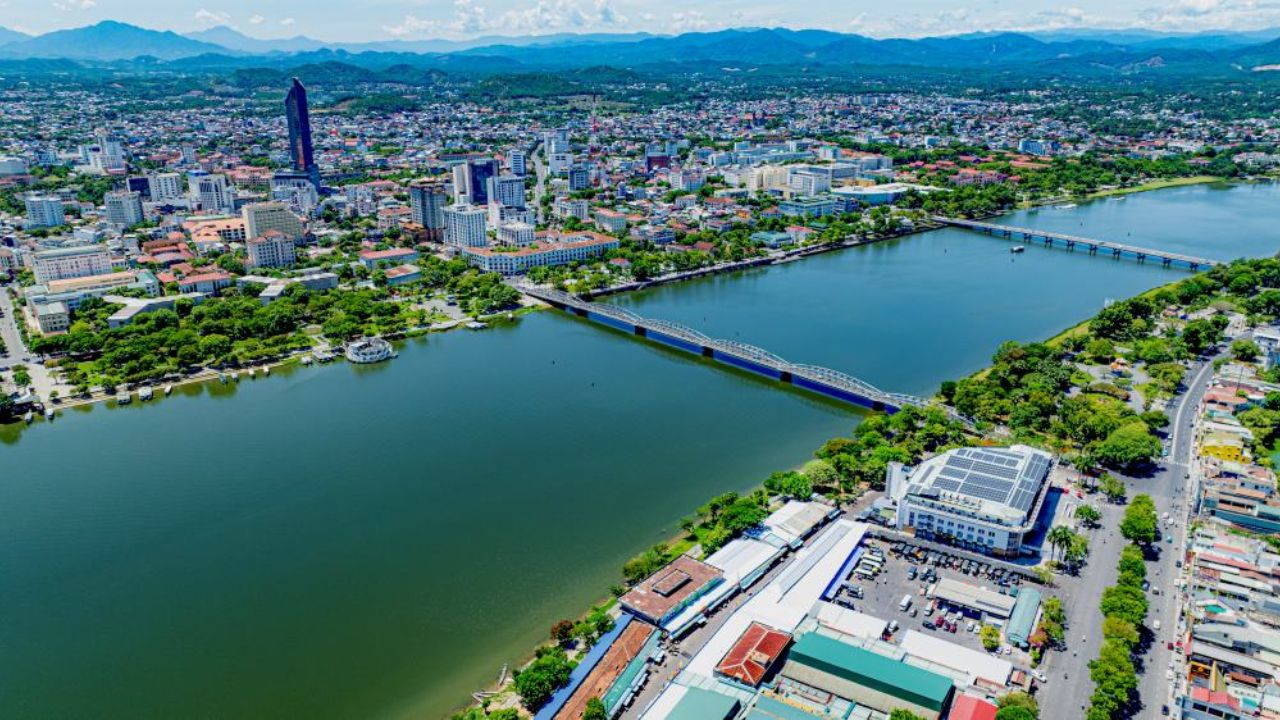
Hue is the ancient capital of Vietnam, tucked away in the central part of the country. Compared to bigger cities like Da Nang, Ho Chi Minh, or Hanoi, a lot of people think Hue is a bit boring, kind of quiet, and honestly, not that entertaining. When people think of Hue, they often mention the Citadel, old royal tombs, a slow-moving river, and a few mountains sitting quietly in the background.
But you know what? Those exact things are what make Hue different from everywhere else in Vietnam. I’ve spent most of my life here, and something about the calm streets, the fresh morning air, and the delicious food just keeps pulling me back in.
So that’s why I’m writing this. If you’ve been wondering Hue what to do, trust me, there’s way more here than most people expect. From the Imperial City to hidden spots near the Perfume River, this guide will walk you through everything worth seeing. And honestly? By the end of this, I hope that you can answer the question if Hue is worth visiting or not.
Top Things to Do in Hue you shouldn’t miss
Explore the Imperial City and Grand Citadel Walls
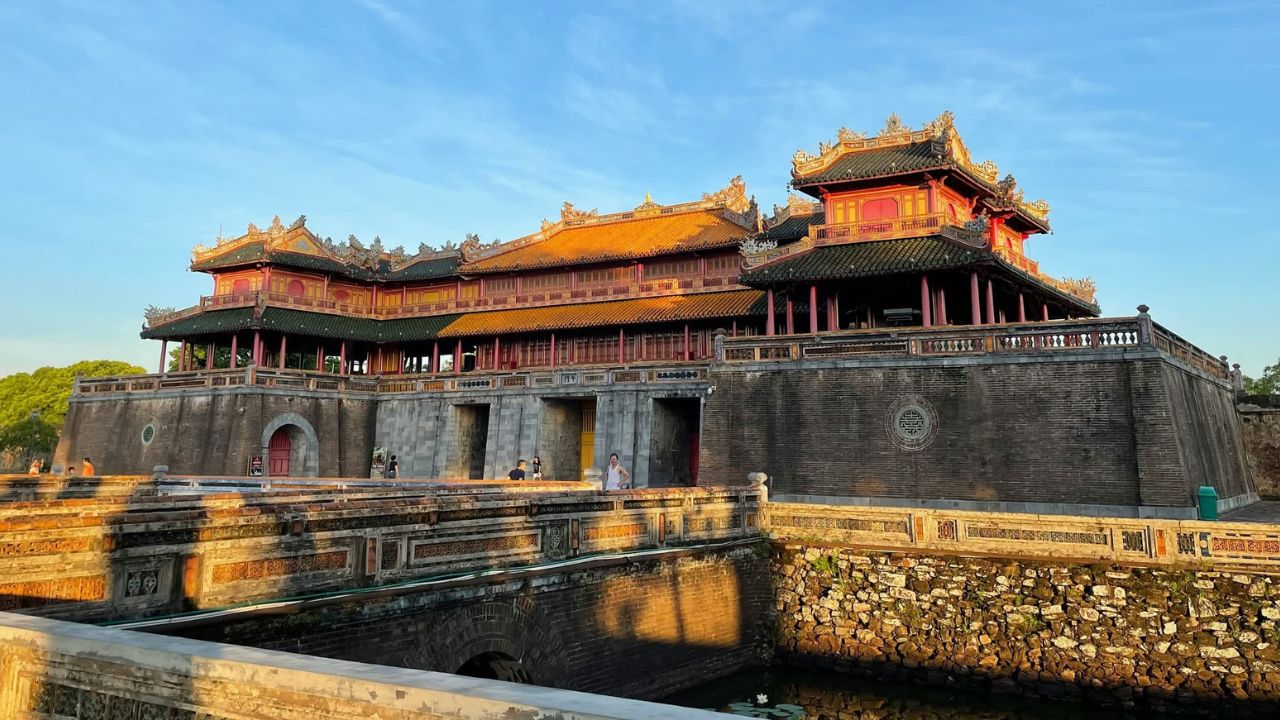
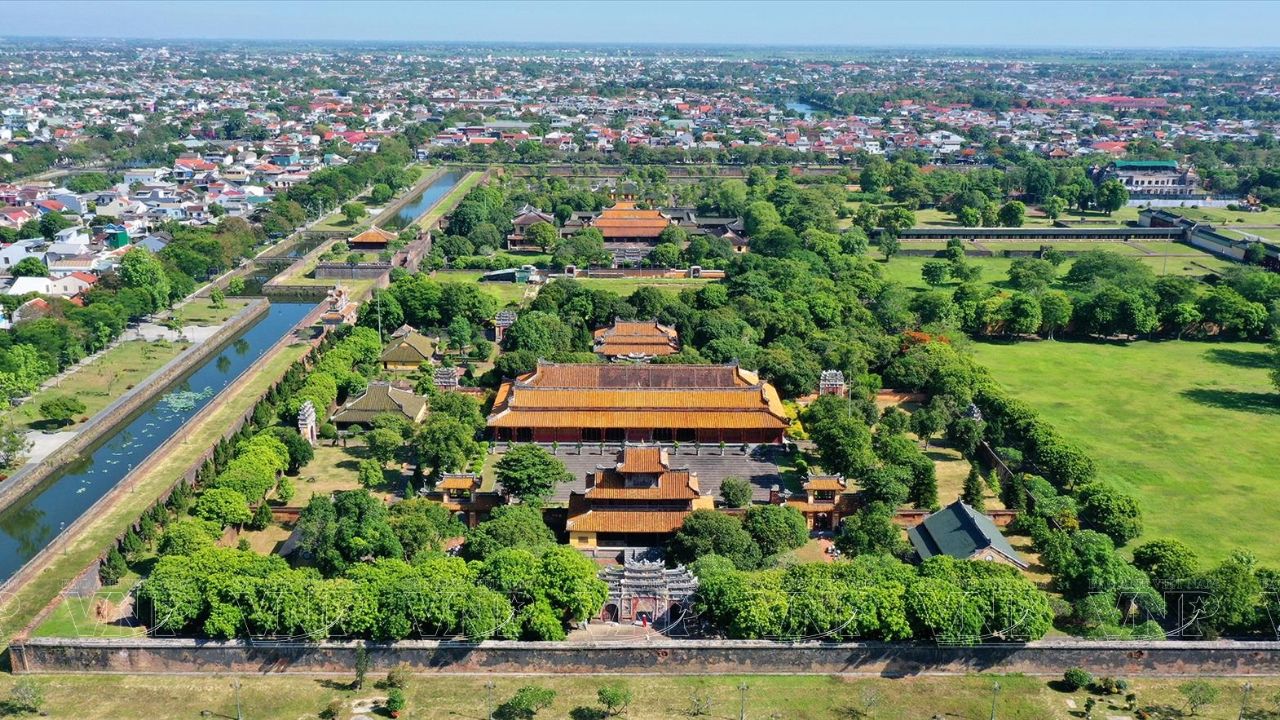
Stepping into the Hue Imperial City instantly transports you back to the reign of the Nguyen Dynasty. While the entire Citadel area covers a massive 520 hectares, the Imperial City itself occupies around 37 hectares, offering endless paths to wander through ancient gates, temples, and halls.
I love starting right at the historic Meridian Gate (Ngo Mon Gate), which serves as the main entrance to Hue Citadel. From there, you can admire the Thai Hoa Palace and walk among the quiet ruins of the Forbidden Purple City.
To fully explore the Imperial City, it takes around 2 to 3 hours to walk around and take in all the sights. If you prefer not to walk, you can rent an electric golf cart for 400,000 VND per hour. It easily seats up to seven people, making it a super convenient way to save your energy while taking in the magnificent surroundings.
- Entrance fee: 200.000 VND/Adult
- Opening hour:
- Summer time (16/3 – 15/10): 6:30 – 18:00
- Winter time (16/10 – 15/3): 7:00 – 17:30
Tour the Royal Tombs of the Nguyen Dynasty Emperors
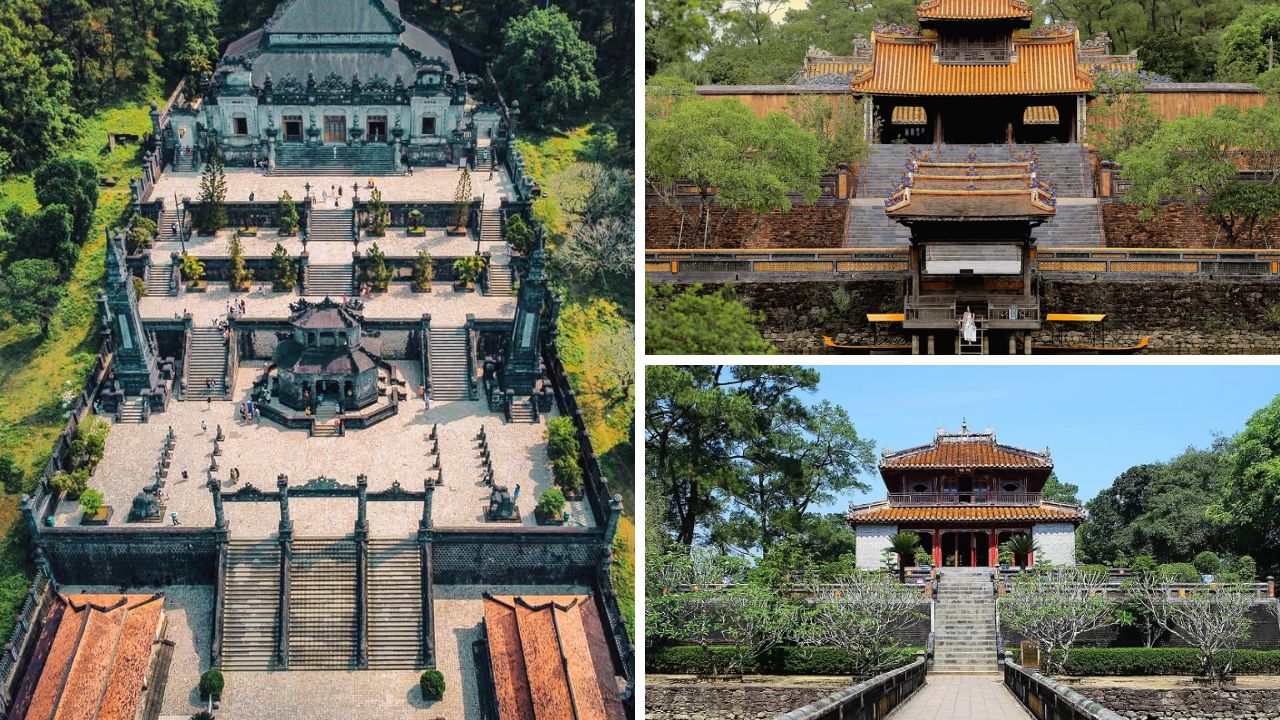
Beyond the central fortress, the royal mausoleums dotted along the countryside are absolute must-visits. Each tomb was tailored to match the personality of the ruler buried within.
- Khải Định Tomb: Built into the side of Chau Chu mountain between 1920 and 1931, this site stands out because Emperor Khai Dinh chose to blend traditional Vietnamese design with European architecture. Inside, you will see mind-blowing ceramic tile mosaics and a striking bronze gilded statue crafted in France in 1922.
- Minh Mạng Tomb: Emperor Minh Mang commissioned Minh Mang Tomb along a perfectly balanced, symmetrical axis. The paths lead past peaceful lakes and pine-covered hills to a circular burial mound that remains permanently sealed.
- Tự Đức Tomb: Designed by Emperor Tu Duc himself during his lifetime, this sprawling retreat features Luu Khiem Lake and charming wooden pavilions where the ruler wrote poetry surrounded by nature.
Visitor Tip: Entrance fee of each tomb is 150.000 VND/pax. A combo ticket covering the Imperial City plus three major tombs runs around 530,000 VND and stays valid for 48 hours — a smart way to save if you’re planning a two-day sightseeing sprint. For transport between the royal tombs, choose Hue Royal Tombs by Private Car. The standard service includes a vehicle and driver; an English-speaking guide is an optional add-on.
Visit the Sacred Thiên Mụ Pagoda on Hà Khê Hill
More than 60% of Hue’s residents practice Buddhism, which is why pagodas can be found throughout the city. This deep spiritual presence also helps explain why Hue feels so calm and peaceful.
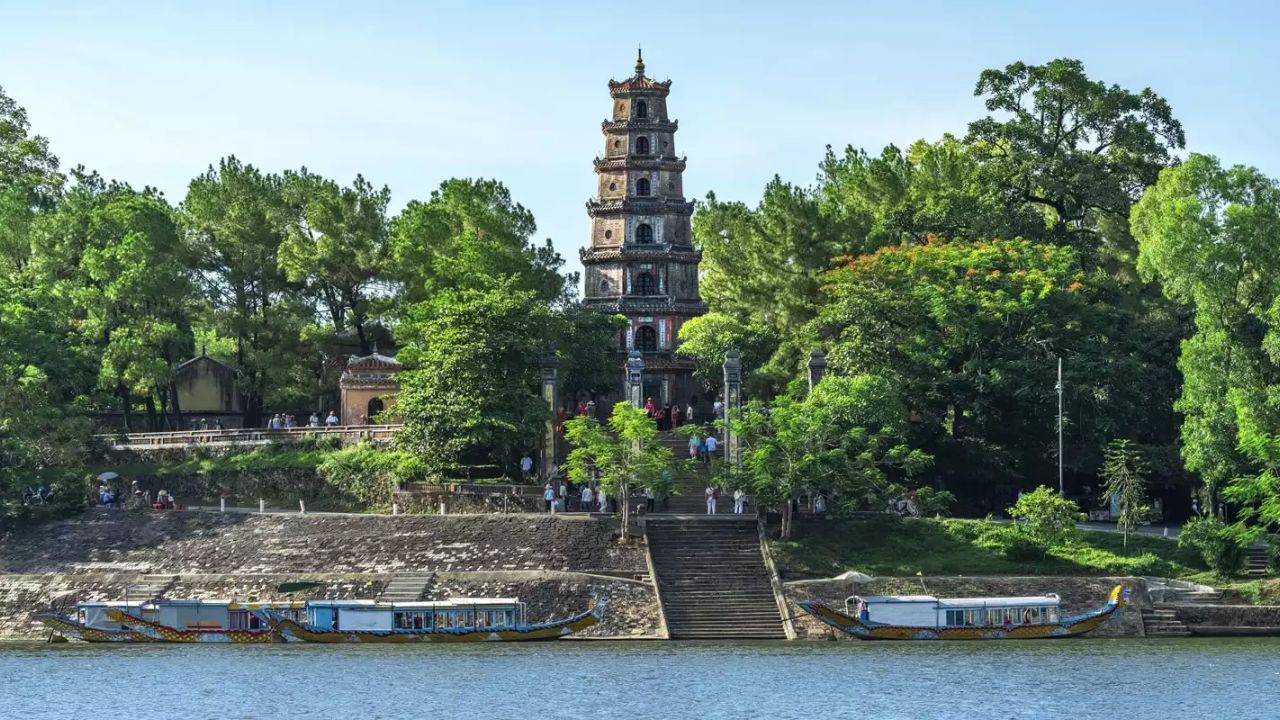
Among all these sacred sites, however, Thien Mu Pagoda stands out as truly special. Founded in 1601, this active Buddhist monastery sits gracefully atop Ha Khe Hill, overlooking the Perfume River. The moment you arrive, your eyes are drawn to the seven-story Phuoc Duyen Tower, built in 1844 under Emperor Thieu Tri.
It is a wonderfully peaceful spot to watch local monks attend to their daily routines while enjoying breezy views across the riverbank.
Step Back into the 20th Century at An Định Palace
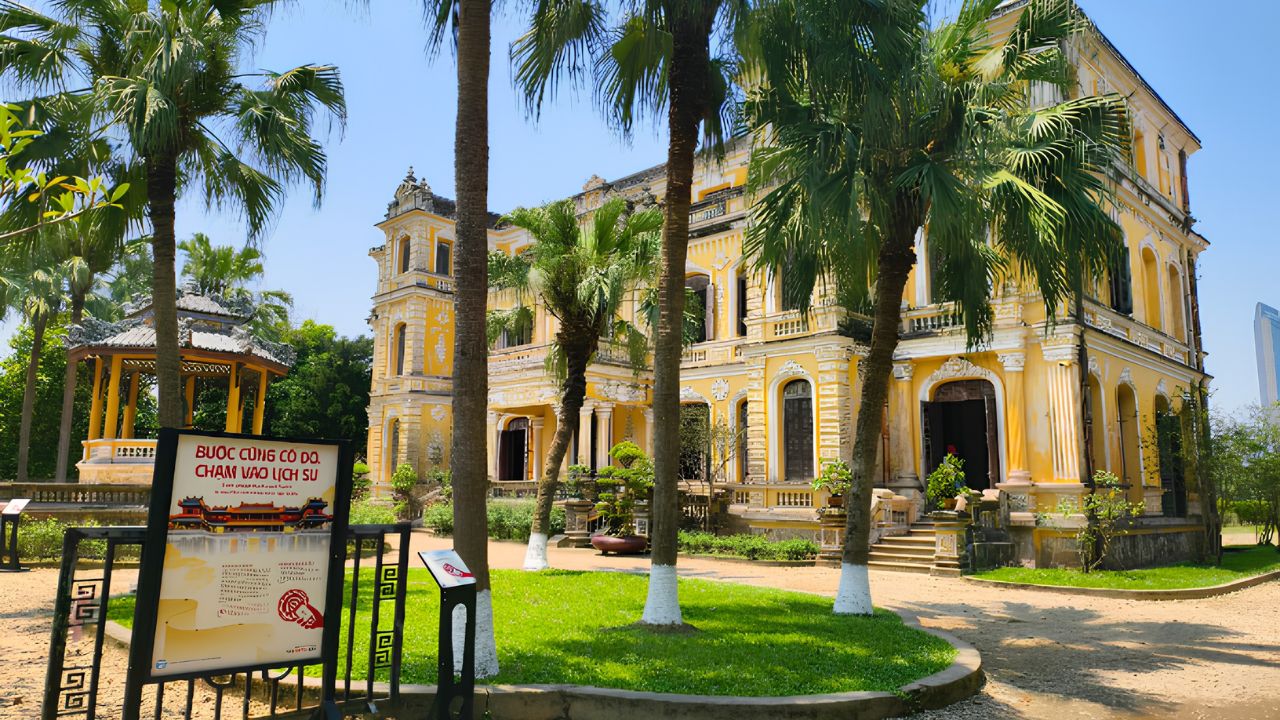
If you enjoy modern history and unique architecture, An Dinh Palace is a hidden gem that deserves a spot on your itinerary. Built in the early 1900s, this elegant residence blends traditional Vietnamese motifs with early 20th-century European neoclassical style.
The palace was home to Emperor Bao Dai and Empress Nam Phuong, Vietnam’s last empress, known for her grace and elegance. Walking through the palace’s colorful rooms, still adorned with period furniture and family portraits, offers a fascinating glimpse into the private life of Vietnam’s last royal family.
- Entrance fee: 50.000 VND/pax
Cross the Historic Thanh Toan Bridge
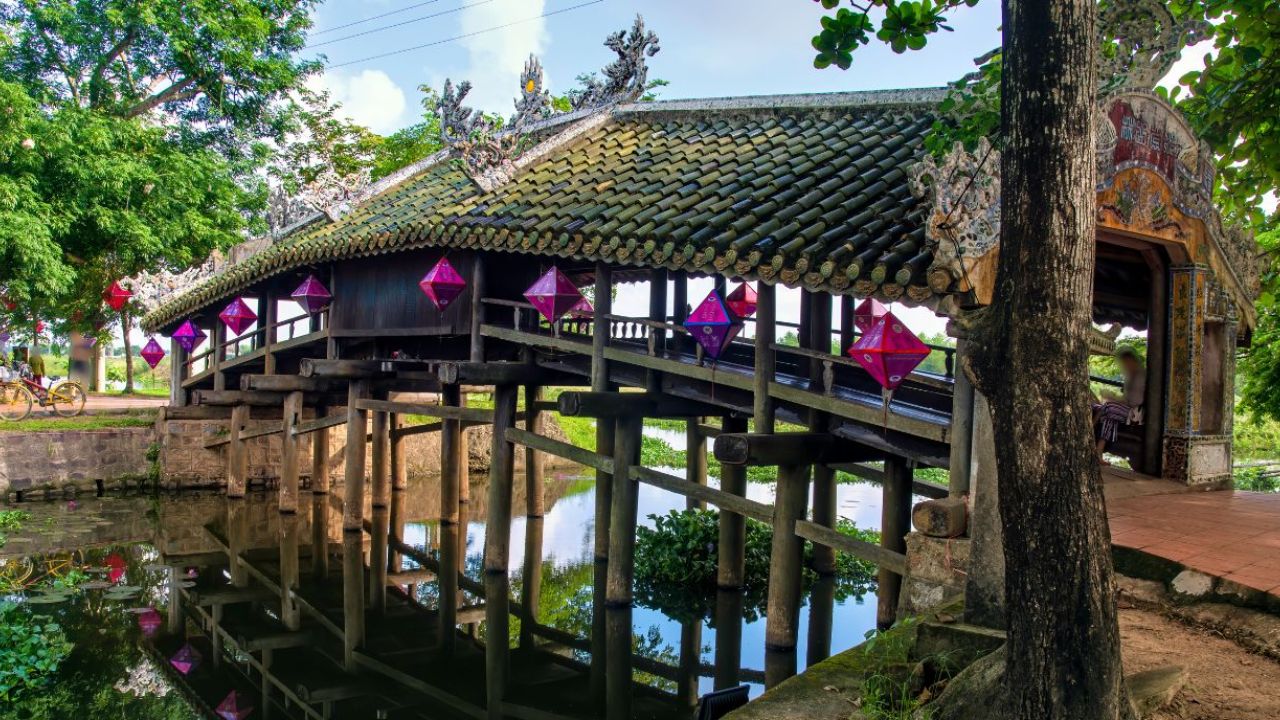
Dating back to the 18th century, this picturesque covered wooden bridge sits in a quiet rural village just outside the main city. Unlike the busier royal tombs, it rarely sees big crowds, making it a serene stop for a quick photo and a taste of traditional countryside charm.
Trek Through the Jungle at Bach Ma National Park
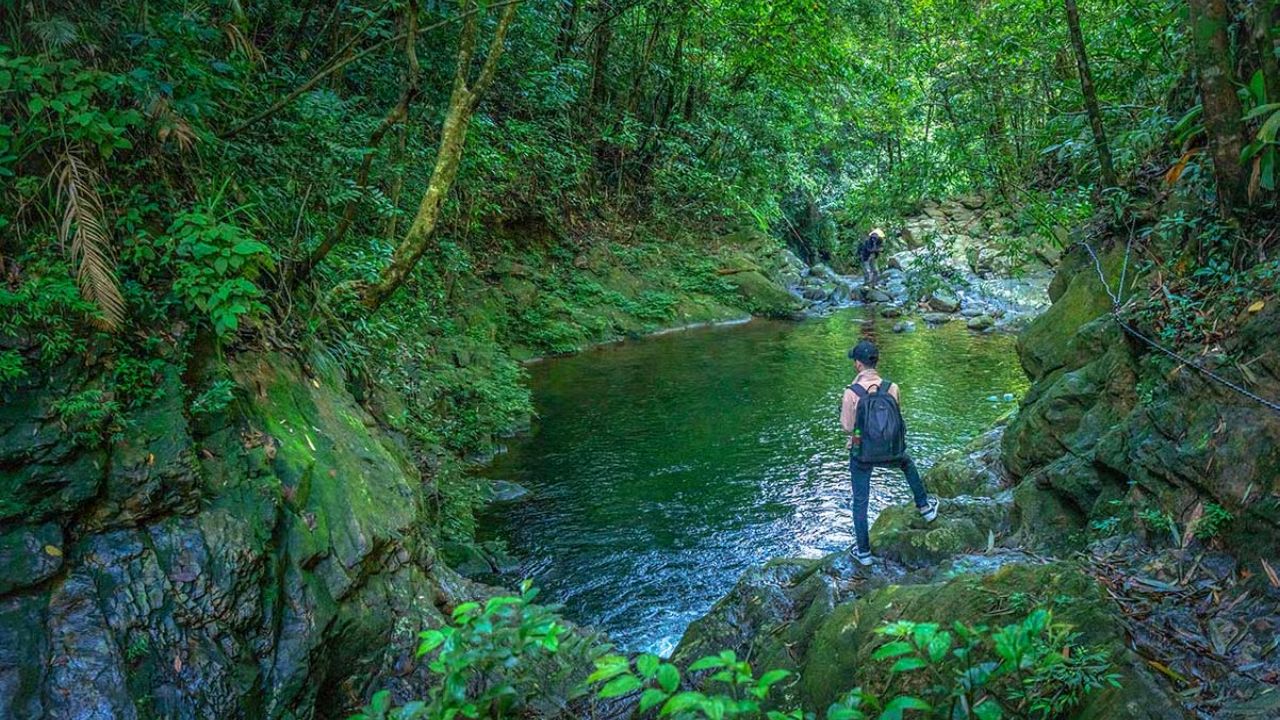
For outdoor lovers who need a break from history-heavy sightseeing, this national park offers scenic hiking trails through dense rainforests and cascading waterfalls. Entry costs just 60,000 VND, making it a rewarding and budget-friendly day trip into the mountains.
Unwind along the Coast at Lang Co Beach
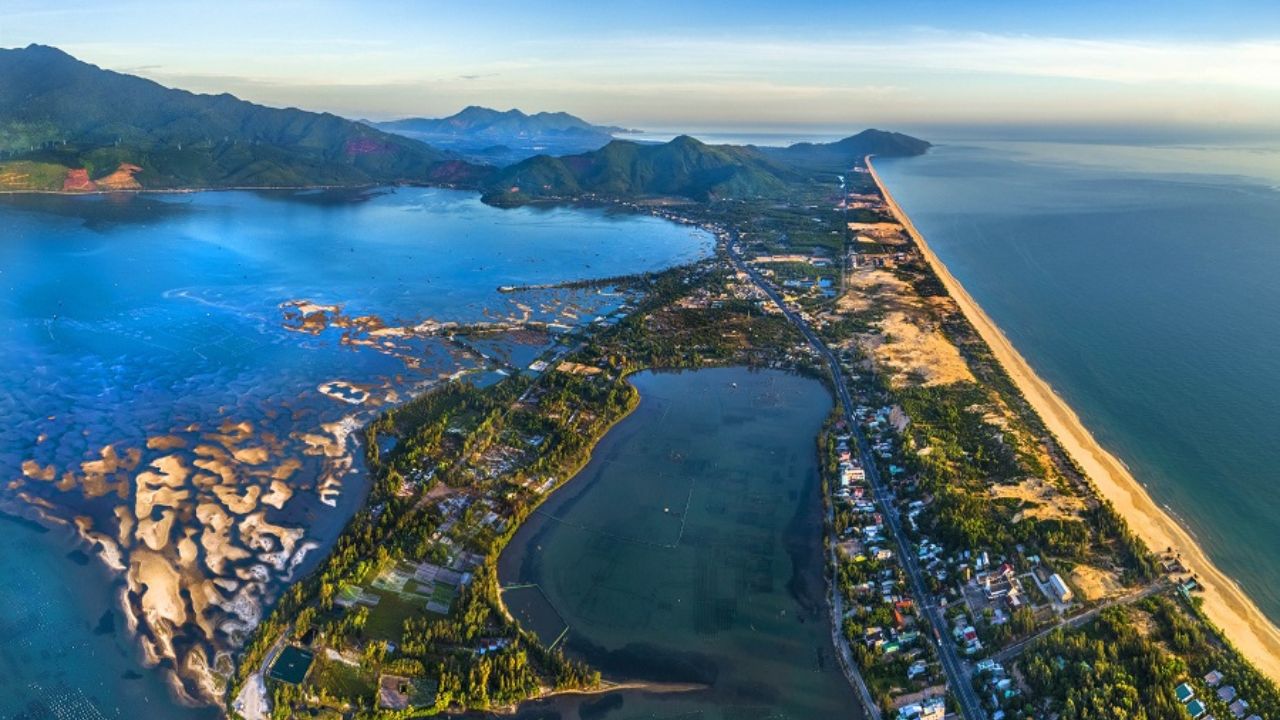
Located about 30 kilometers south of the city near the foot of the Hai Van Pass, Lang Co Beach features calm blue waters and laid-back seafood restaurants right on the sand. It is the ultimate spot to relax with fresh grilled catch after a few days of palace hopping.
Uncover Off-the-Beaten-Path Attractions
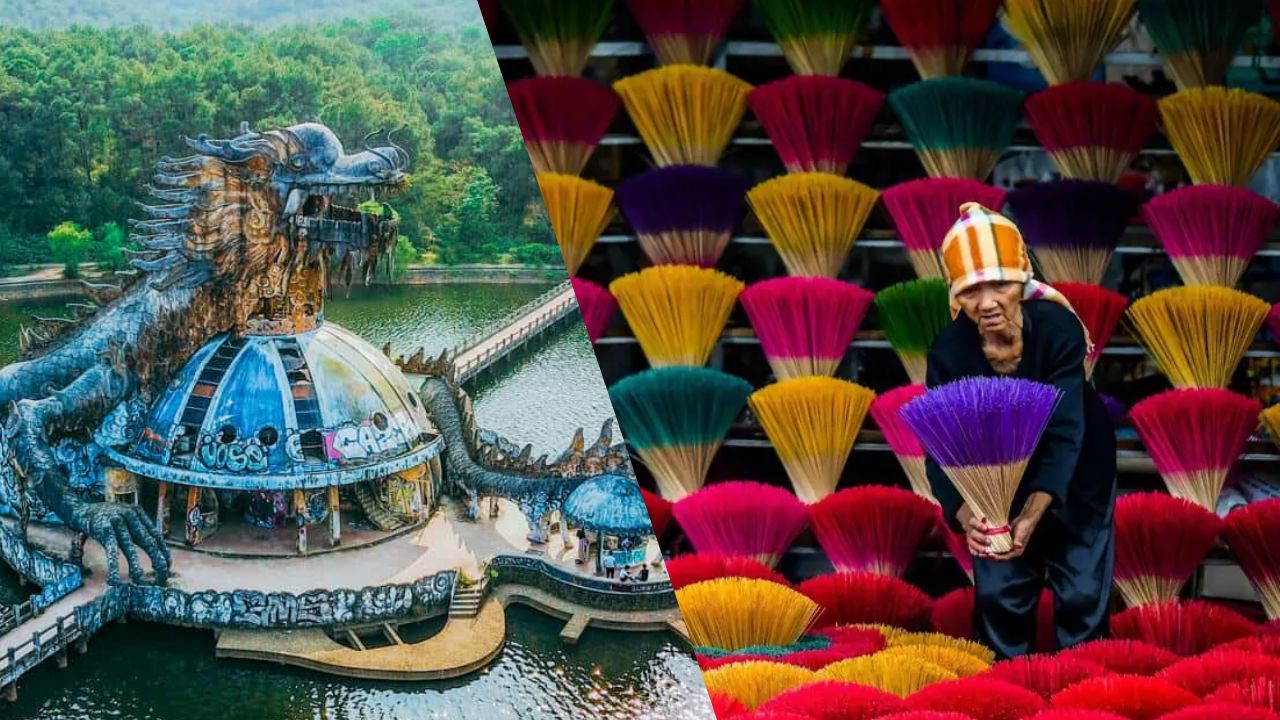
For travelers seeking something quirky or visually striking, Hue has plenty of unique spots outside the main historical loop:
- Thủy Tiên Lake Abandoned Water Park: Famous among adventurous backpackers, this surreal abandoned park centers around a massive concrete dragon sitting in the middle of a quiet lake.
- Thủy Xuân Incense Village: Located along the road to Tu Duc Tomb, this bright village produces handcrafted incense. Friendly artisans arrange colorful bundles of incense sticks like floral bouquets, making it a fun stop to snap photos and learn the craft.
Take a Dragon Boat Cruise on the Perfume River
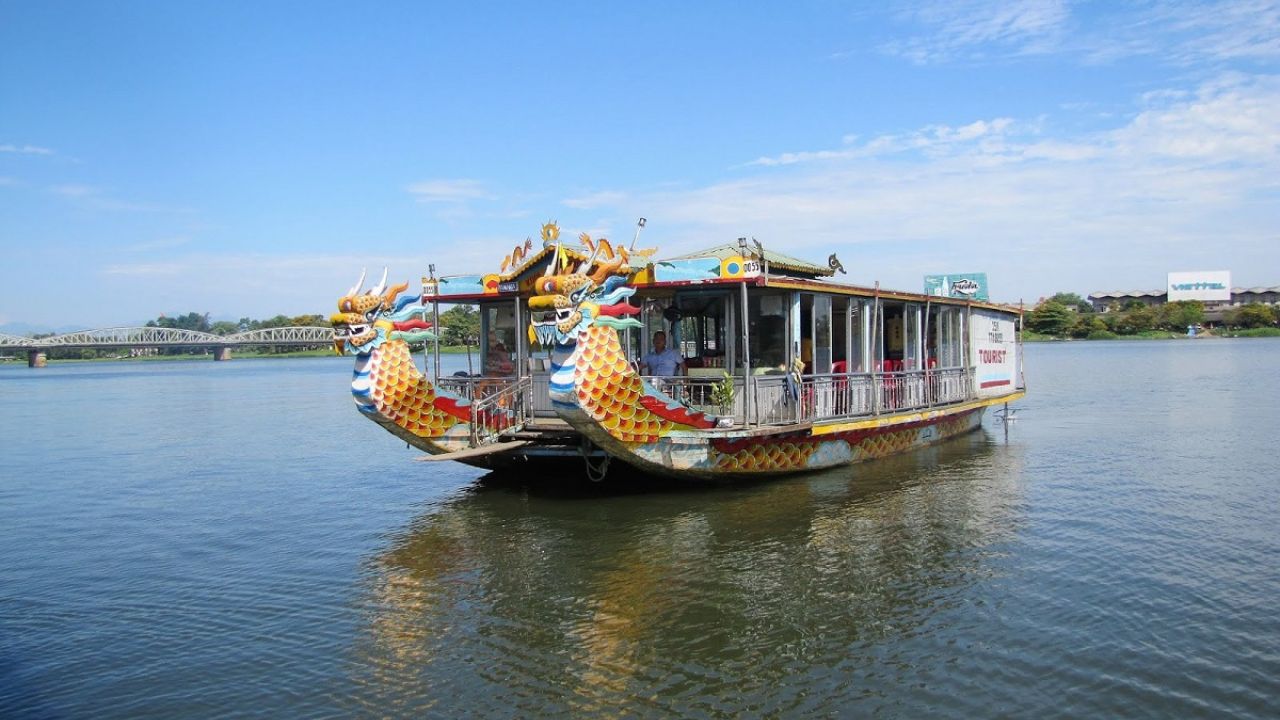
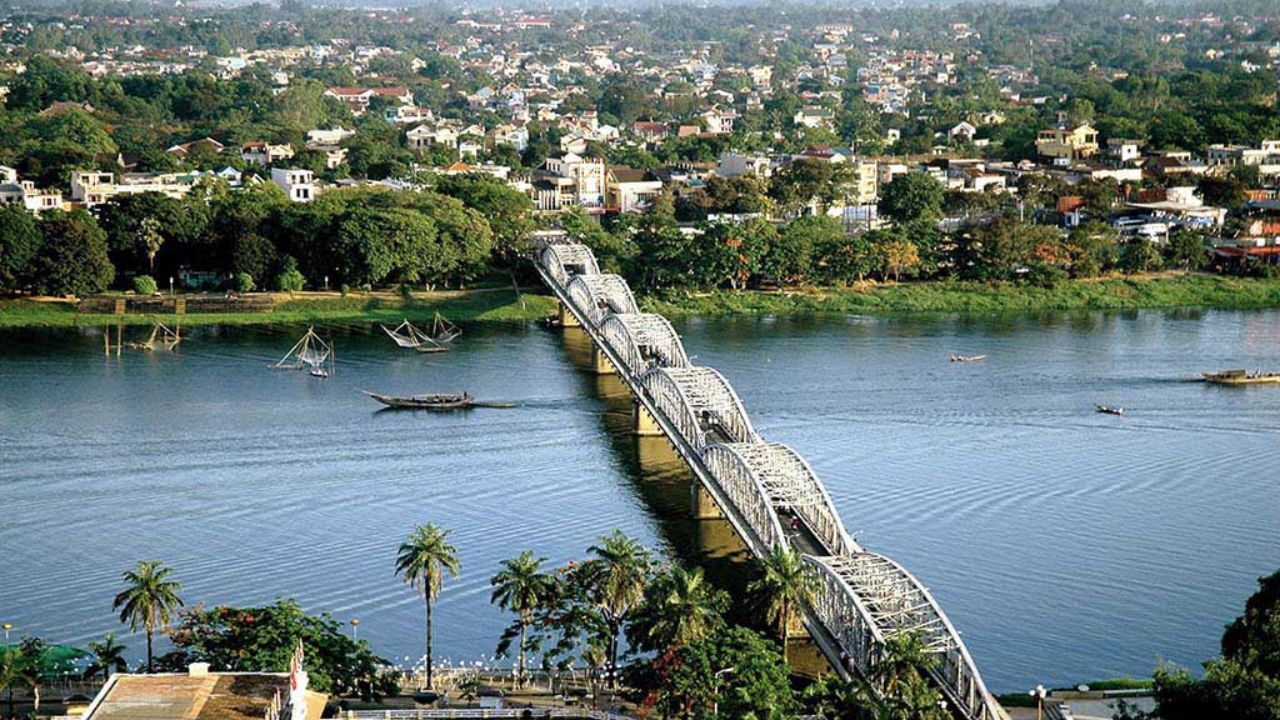
The Perfume River flows directly past Thien Mu Pagoda and divides the city into distinct northern and southern districts. Taking a leisurely boat ride is easily one of the most relaxing activities in town.
During the day, gentle dragon boat rides offer a refreshing breeze and scenic views of countryside greenery. In the evening, you can board a musical boat trip to enjoy traditional Hue folk music performances beneath the night sky.
Sample Authentic Hue Cuisine and Street Food
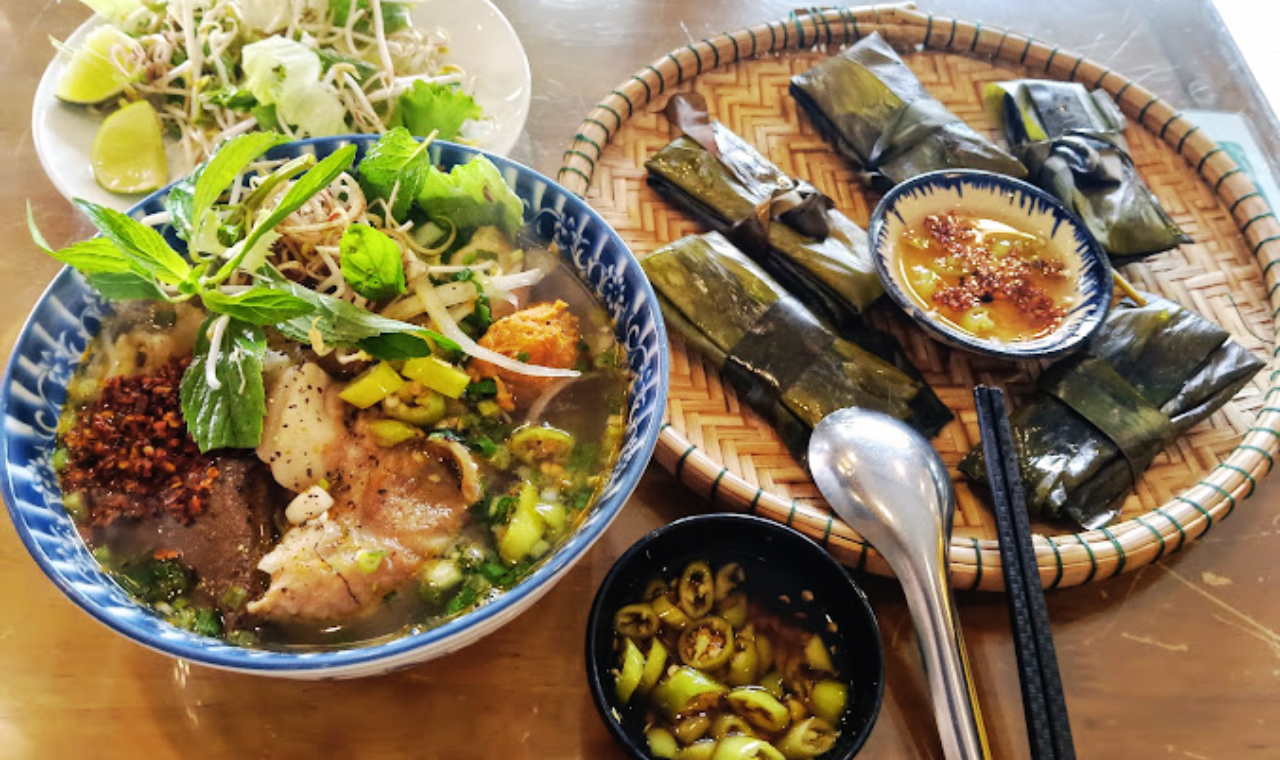
Hue is world-famous for its distinct imperial culinary style and bold central flavors. You simply cannot leave without trying these iconic local specialties:
- Bún Bò Huế: The city’s legendary soup features thick rice noodles, tender beef shank, and pork meatballs submerged in a rich broth spiced with lemongrass and fermented shrimp paste. Choose one restaurant from our top list best bun bo in Hue.
- Royal Rice Cakes: Try small savory treats like Bánh Bèo, Bánh Nậm, and Bánh Bột Lọc steamed in banana leaves and served with sweet fish sauce.
- Local Beverages: Cool down after a warm day with an ice-cold Huda Beer, or pop into a cozy cafe to sip rich, creamy Hue salt coffee.
For travelers who want it all, a guided culinary experience in Hue covers every must-try dish in one trip.
Browse Local Culture at Dong Ba Market
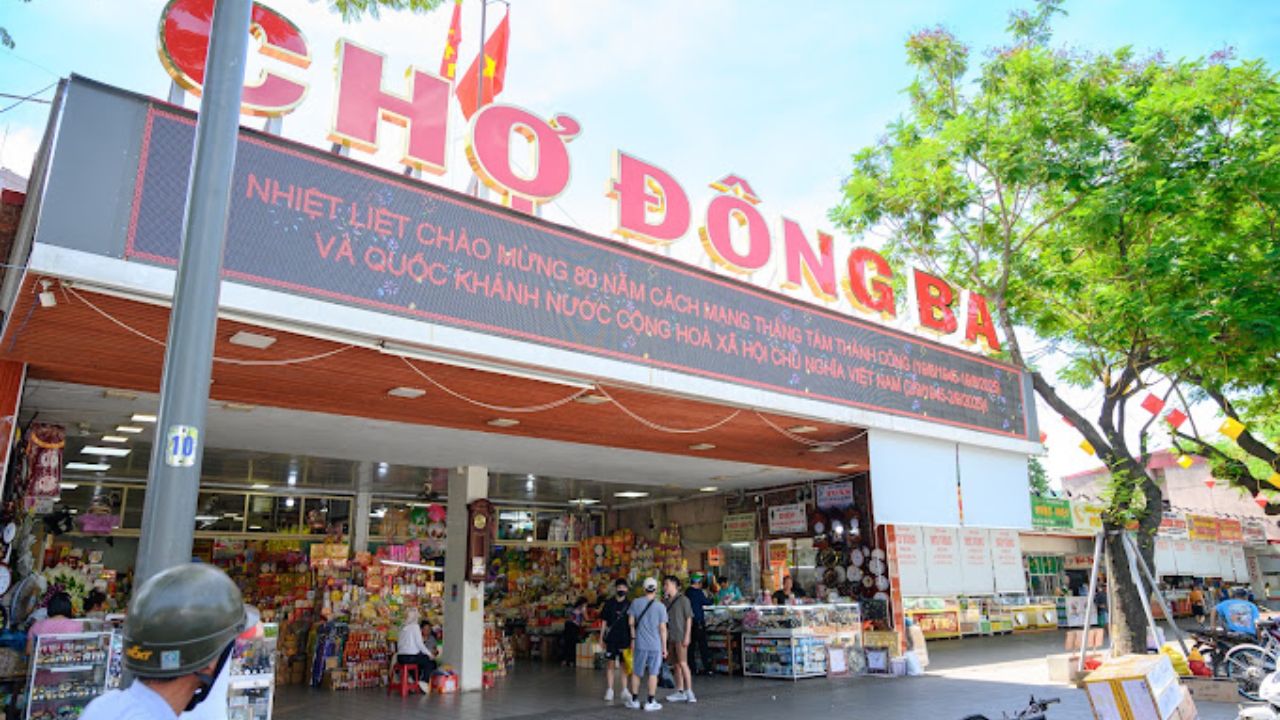
Situated along Perfume River, Dong Ba Market is the city’s bustling commercial heart. It is the best venue to watch daily life unfold as local vendors trade fresh produce, dried spices, and handmade crafts. I like picking up traditional conical hats and regional snacks here to take home as gifts.
Practical Travel Logistics and Visitor Planning
Best Time to Visit and Weather Considerations
Weather plays a major role in how much you enjoy outdoor sightseeing in Central Vietnam:
- Dry Season (March to August): Hue is located in central Vietnam, so it gets extremely hot during the summer months from May to August. It’s recommended to start your day trips early in the morning or in the late afternoon to avoid the heat. Expect warm, sunny days that are ideal for riding scooters, cruising the river, and taking photos. You can read the post about Hue’s weather to plan your trip smoothly
- Rainy Season (September to December): In contrast, heavy tropical rain can occur frequently during this time. Storms and flooding often hit between October and November, so make sure to check the forecast before planning your trip to get the most out of your visit. If you do travel during these months, pack a sturdy poncho and keep your schedule flexible.
Getting Around Hue and Transport Options
Navigating the city is simple thanks to plenty of convenient transit choices:
- Grab App & Taxis: Best for quick rides between downtown hotels, restaurants, and nearby sights.
- Scooters & Bicycles: Renting a two-wheeler gives you total freedom to explore countryside roads at your own pace.
- Private Cars & Tours: Booking a private vehicle with a driver is the smoothest choice for visiting distant tombs like Khai Dinh or traveling across the coastal Hai Van Pass toward Da Nang.
- Long-Distance Arrival: Phu Bai International Airport serves Hue directly (about 15km from the center), while long-distance trains stop conveniently at the central Hue Railway Station.
Ideal Itineraries for Hue
1-Day Express Itinerary
- Morning: Start early at the Hue Imperial City to beat the heat, then take a short ride over to visit Thien Mu Pagoda.
- Afternoon: Head south to tour the contrasting architecture of Khai Dinh Tomb and Minh Mang Tomb.
- Evening: Enjoy a warm bowl of Bun Bo Hue before ending your day on a sunset Perfume River dragon boat cruise.
Book a full day tour with us to explore Hue city entirely.
2-Day Complete Itinerary
- Day 1: Dedicate your first morning to the Citadel and grand imperial grounds. In the afternoon, visit An Dinh Palace and shop for souvenirs at Dong Ba Market. Wrap up with an evening folk music cruise.
- Day 2: Spend a full day exploring Khai Dinh, Minh Mang, and Tu Duc tombs. Stop by Thuy Xuan Incense Village to take colorful photos, and drop by the Thuy Tien Lake dragon structure before enjoying dinner in town.
FAQS about things to do in Hue
Is Hue worth visiting for first-time travelers to Vietnam?
Yes, Hue is absolute must-visit for anyone interested in feudal history, traditional architecture, and authentic Vietnamese food. It offers a much more relaxed and cultural atmosphere compared to larger metropolitan hubs.
How many days in Hue is enough?
Spending two full days allows you to comfortably explore the Imperial Citadel, three major royal tombs, Thien Mu Pagoda, and local food markets without feeling rushed.
Do I need to book a guided tour to see the attractions?
While you can explore independently using scooters or Grab, booking a local guide adds immense value because they explain the rich historical context behind the Nguyen Dynasty and imperial monuments.
Have I convinced you to come to Hue yet? Between the ancient royal imperial palaces, serene river cruises, and unforgettable local dishes like Bún Bò Huế, this historic city offers a timeless charm you won’t find anywhere else in Vietnam. Pack your bags, pick your favorite itinerary, and get ready to experience the magic of Hue for yourself!

Pingback: Mausoleum of Emperor Tu Duc: Royal History, Guide & Secrets