

Attractions
Nguyen Dynasty: Last Viet Nam’s Monarchy with 13 Emperors
Aug
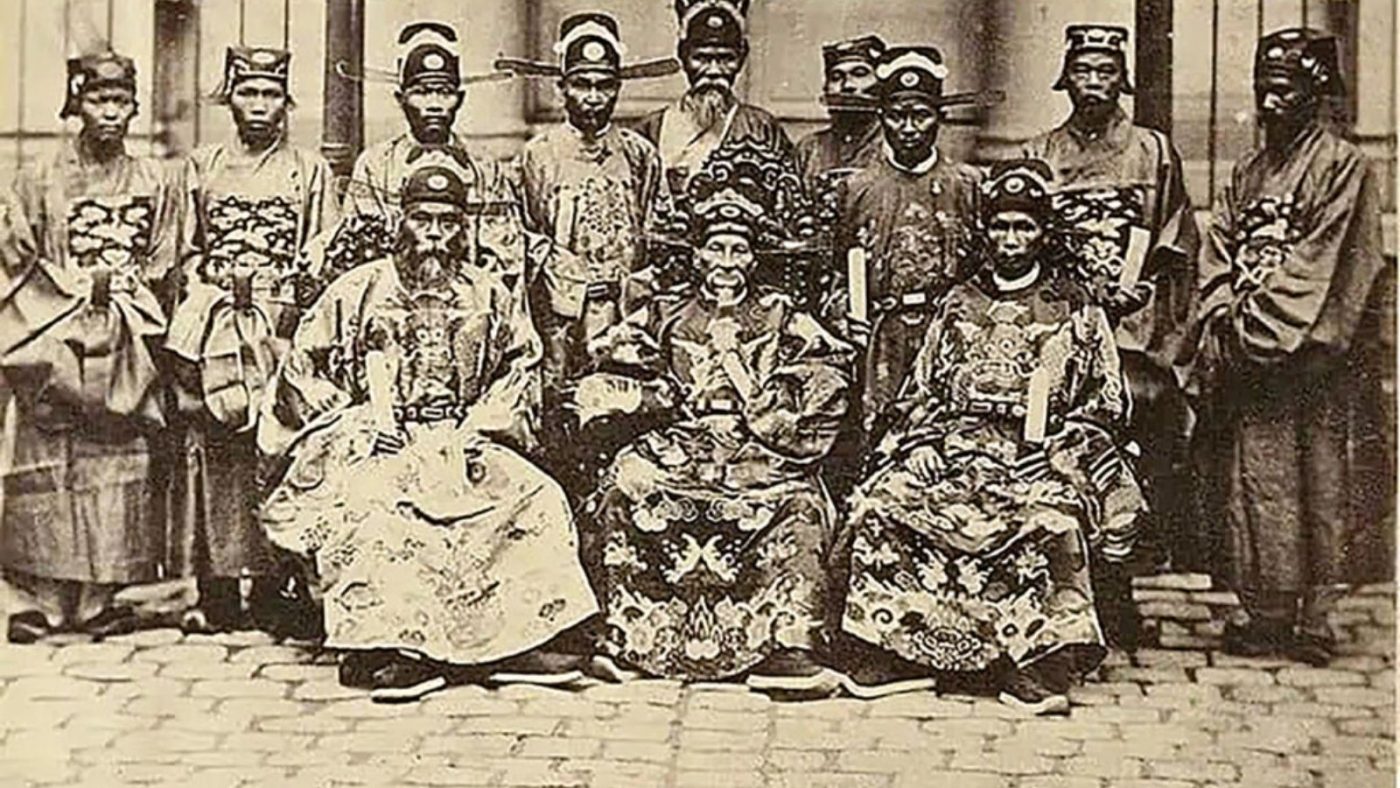
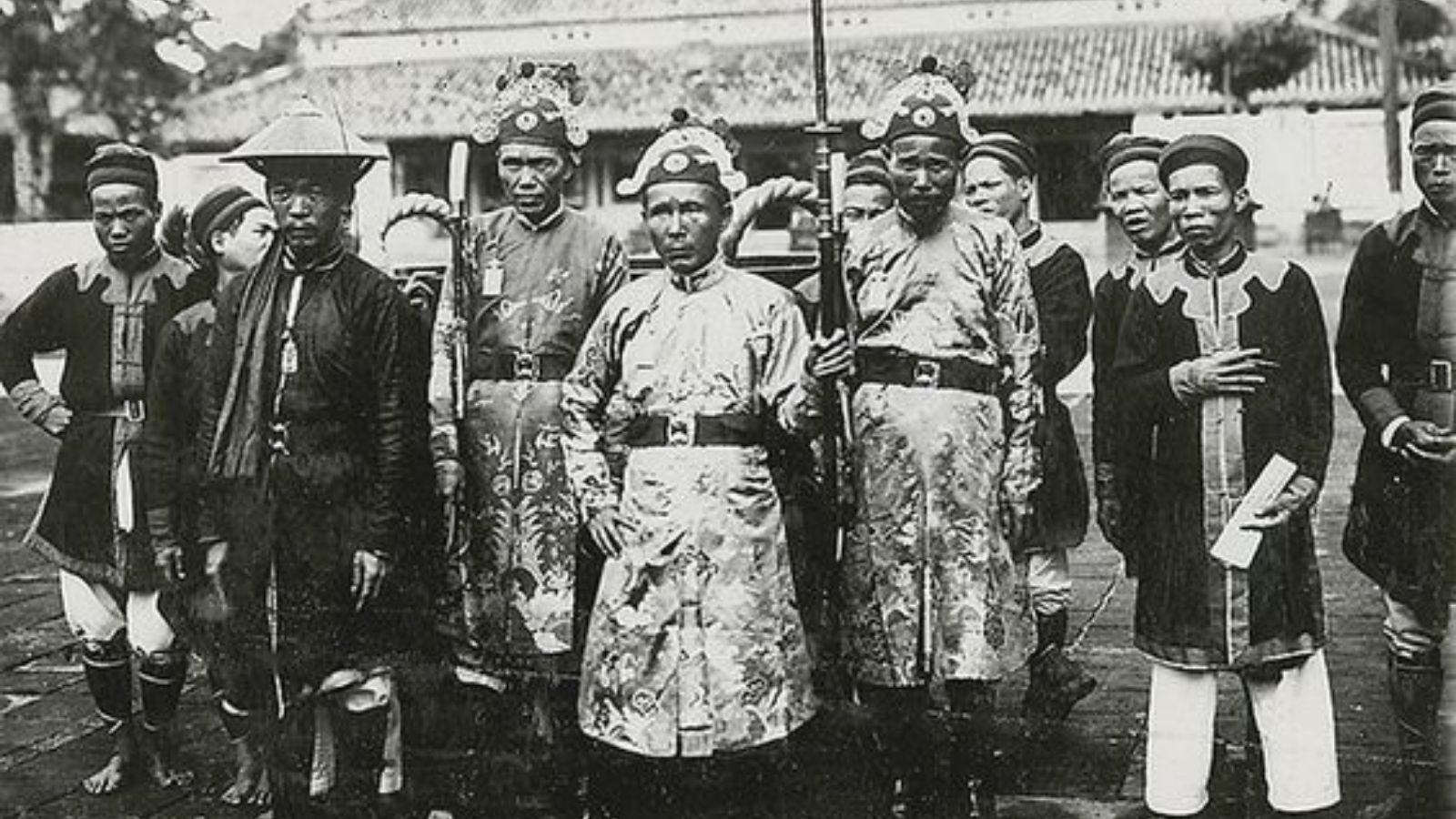
The Nguyen dynasty stands as a monumental era in Southeast Asian history, representing the final imperial chapter of Vietnam before the modern republic emerged. Established in 1802 by Gia Long, this powerful lineage ruled unified Vietnam from their glorious capital in Phu Xuan, which we know today as Hue.
Over 143 years, thirteen emperors led the nation through dramatic shifts, balancing rich Neo-Confucian traditions with the pressures of Western expansion. Understanding this imperial lineage opens a window into Vietnam’s magnificent palaces, cultural evolution, and resilient national identity.
Historical Overview and Evolution of the Nguyễn Dynasty
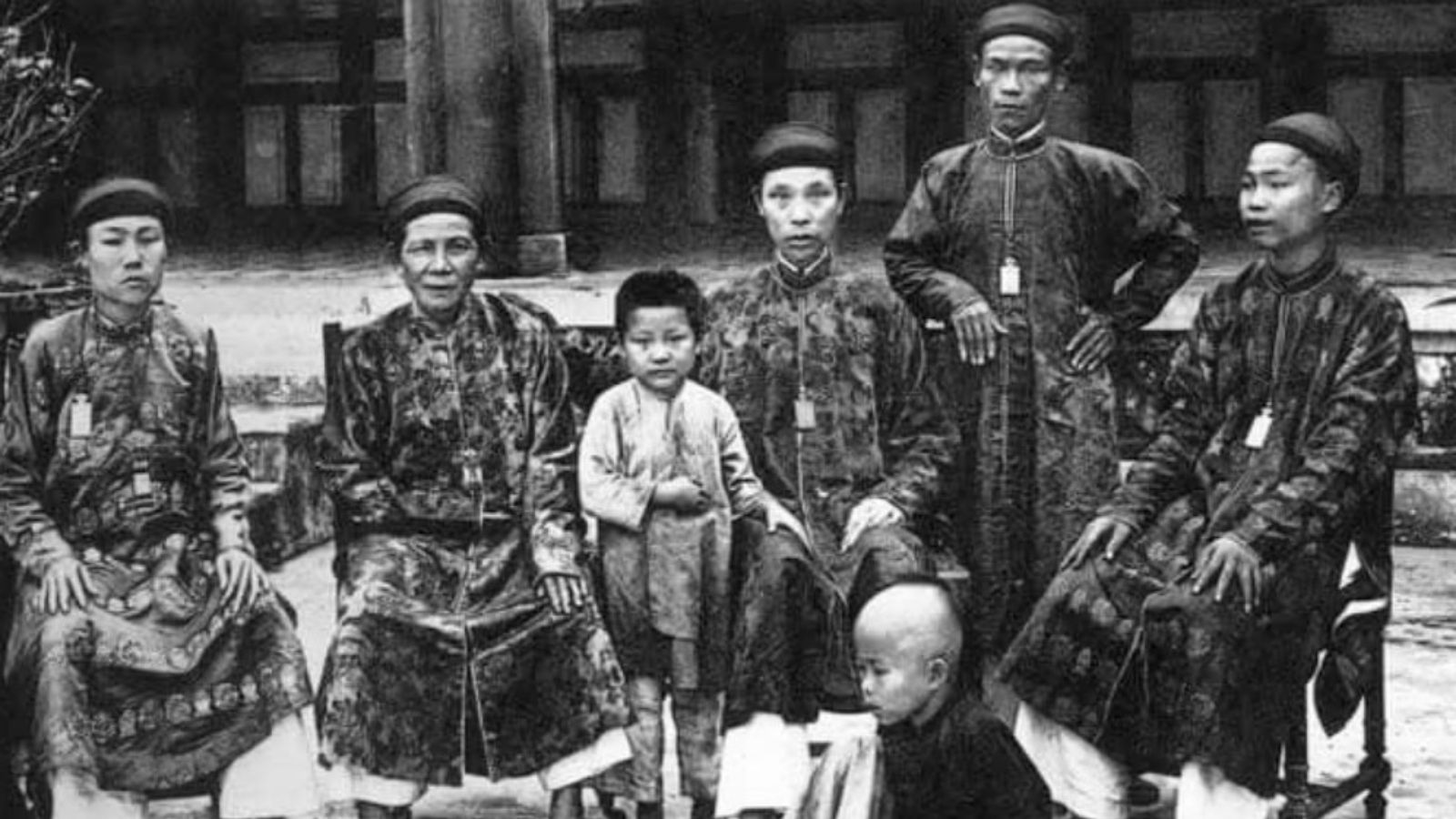
When we walk through the quiet grounds of the Hue Imperial Citadel today, it is easy to forget the turbulent wars that birthed this empire. The House of Nguyen Phuc spent centuries establishing control over the southern regions as the Nguyen Lords. However, their path to absolute monarchical power required defeating the formidable Tay Son dynasty in a fierce civil war.
In 1802, Nguyen Phuc Anh finally claimed victory and coronated himself as Emperor Gia Long. He immediately selected Phu Xuan as his imperial seat because of its central geographic location.
By 1804, the Chinese Qing dynasty officially recognized the state name Vietnam. Later in 1839, Emperor Minh Mang renamed the realm Dai Nam, signaling a golden age where the nation reached its peak land area of 557,000 square kilometers across Indochina.
| Key Historical Milestone | Year | Historical Significance |
|---|---|---|
| Foundation of Empire | 1802 | Gia Long defeats Tay Son dynasty and unifies Vietnam |
| Official Naming | 1804 | Qing dynasty recognizes official name Việt Nam |
| Golden Expansion | 1839 | Minh Mang renames kingdom to Đại Nam at peak territory |
| French Subjugation | 1883 | Treaty of Hue divides realm into Annam and Tonkin protectorates |
| Imperial Abdication | 1945 | Bao Dai abdicates during the August Revolution |
Complete Chronology of Nguyễn Dynasty Emperors
Emperor Gia Long (1802–1820)
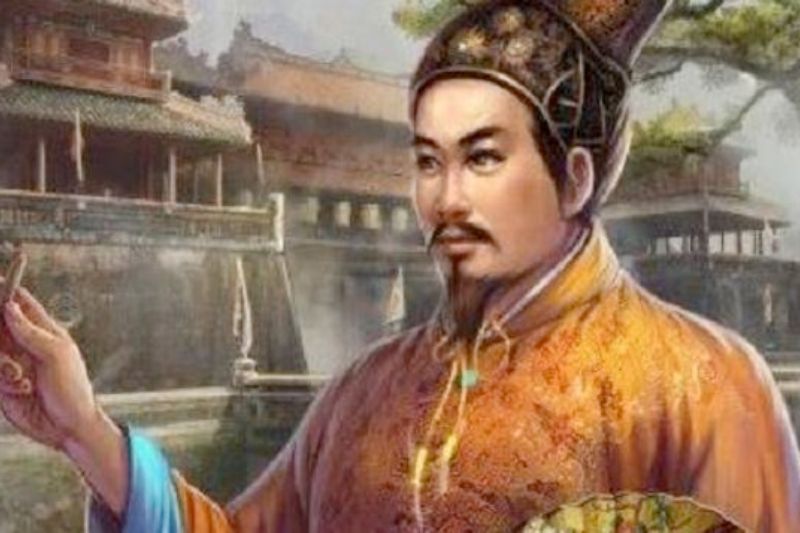
Born Nguyễn Phúc Ánh, he was the tough founder who rebuilt a war-torn country after a 25-year conflict against the Tây Sơn. He focused heavily on state-building, military defense, and unifying the realm under three administrative regions (Bắc Thành, Gia Định Thành, and Trực Doanh). He also initiated the grand construction of the Huế Imperial Citadel.
Emperor Minh Mạng (1820–1841)
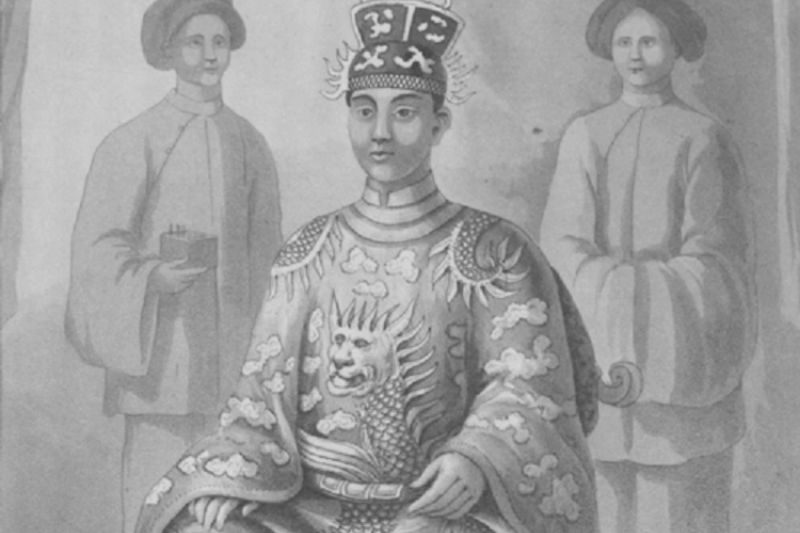
A strict, hard-working monarch renowned as a great reformer. Minh Mạng expanded Đại Nam to its largest territorial peak, centralized the state by reorganizing administrative divisions into 31 provinces, reopened the Imperial Examinations, and fathered a record 142 children.
Emperor Thiệu Trị (1841–1847)
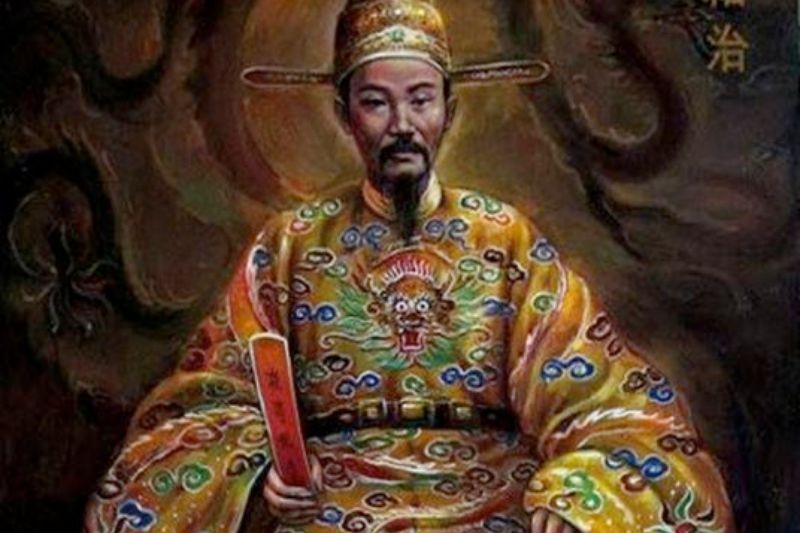
Thieu Tri ruled from 1841 to 1847. He was Minh Mang’s eldest son, a poet at heart, and mostly kept his father’s policies rather than shaking things up.
His reign saw the empire’s territory hit its largest size, but 1847 brought a rough turning point: French warships sank five of his naval boats at Da Nang. He died not long after, unable to find a way to hold off the growing colonial pressure.
Emperor Tự Đức (1847–1883)
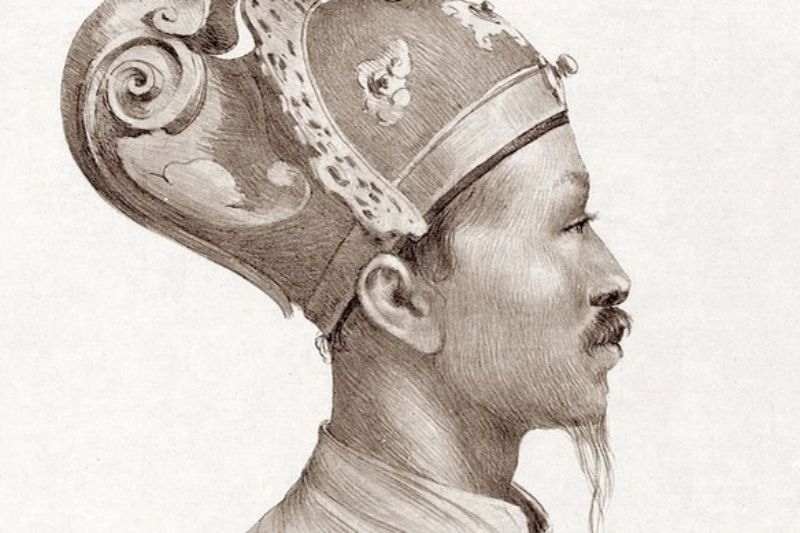
Then came Tu Duc, from 1847 to 1883, whose 36-year rule is the longest of any Nguyen emperor. He took the throne at just 19 after his older brother was passed over for being too irresponsible. A bout of mumps in his youth left him unable to have children, so he adopted three nephews to carry on the line.
Tu Duc’s period is when things really start going sideways for the dynasty. France began its occupation in 1858, and by 1883, he was forced to sign a treaty that handed foreign powers control over the entire country.
Emperor Dục Đức (1883)
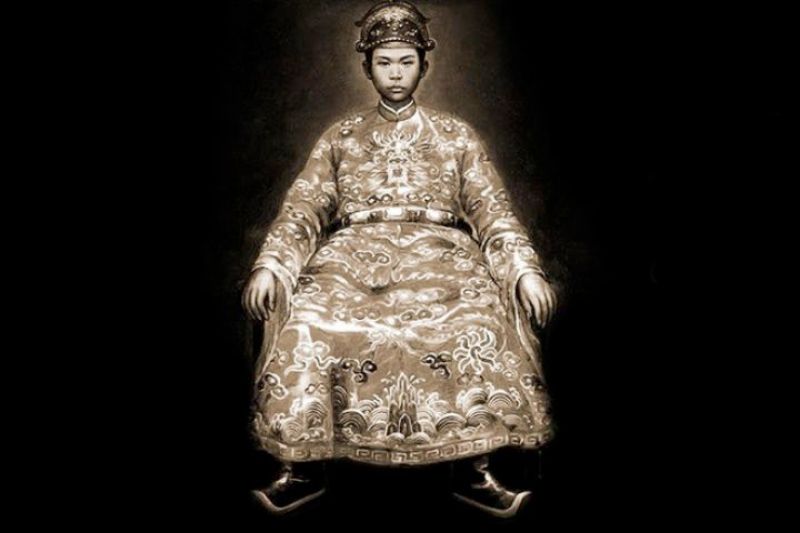
He is remembered as the “Three-Day King.” He took the throne after Tự Đức died, but court officials deposed and imprisoned him after just three days due to internal political rivalries.
Emperor Hiệp Hòa (1883)
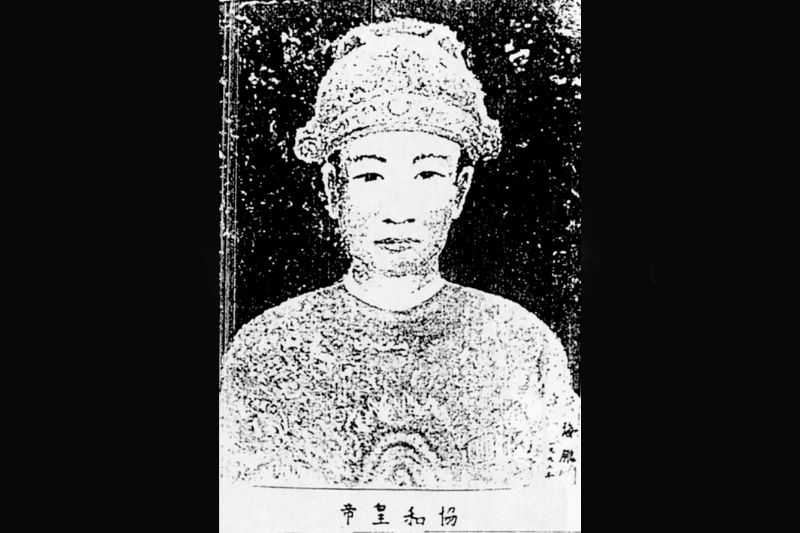
He was a reluctant ruler who held power for only four chaotic months. During his short reign, France launched major military attacks that forced the court to sign the 1883 Treaty of Huế.
Emperor Kiến Phúc (1883–1884)
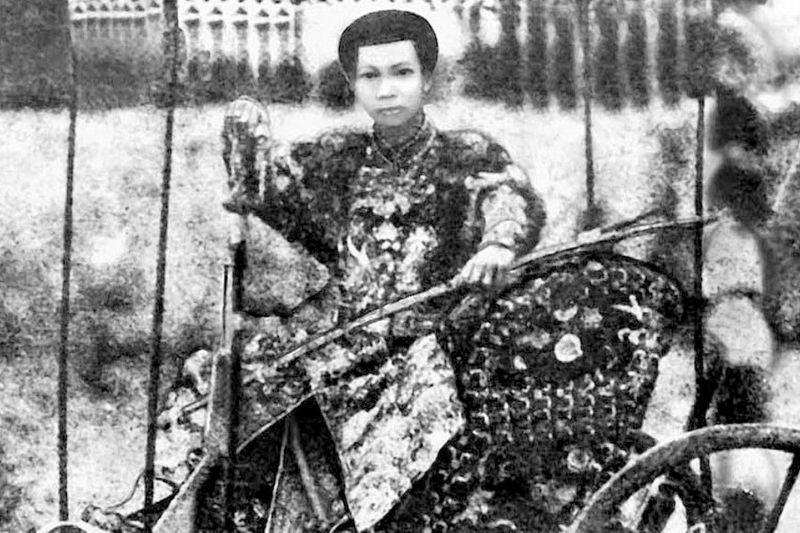
He became emperor as a young boy during a very unstable time for the court. He ruled for less than a year before dying under mysterious circumstances.
Emperor Hàm Nghi (1884–1885)
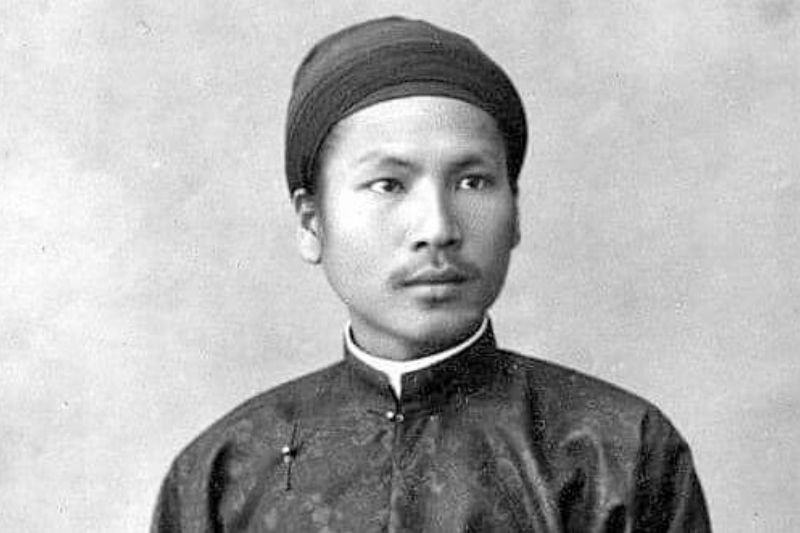
Ham Nghi is one I genuinely admire telling guests about. Crowned at 13, he became the face of the Can Vuong resistance movement, fleeing into the mountains to fight the French rather than sit quietly on a puppet throne. He was eventually captured and exiled to Algiers, where he stayed loyal to his country until his death in 1943.
Emperor Đồng Khánh (1885–1889)
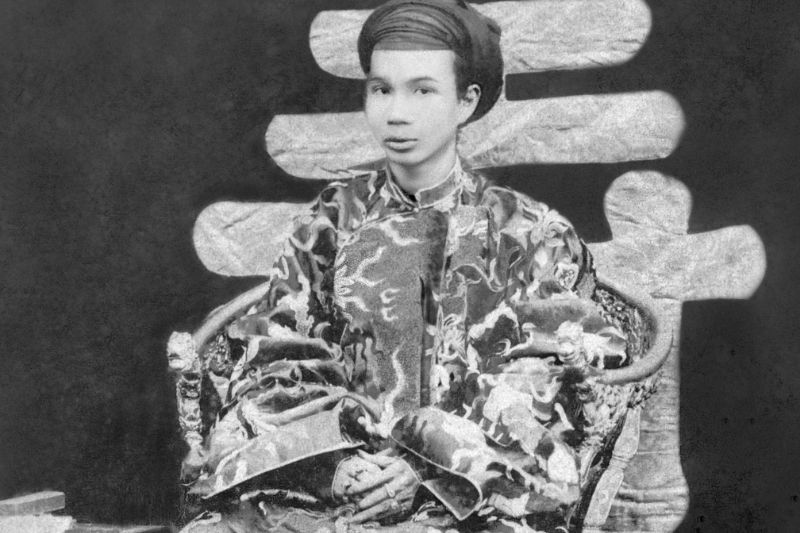
French authorities installed him on the throne to regain control over the country. He cooperated with the French administration during his short four-year reign.
Emperor Thành Thái (1889–1907)
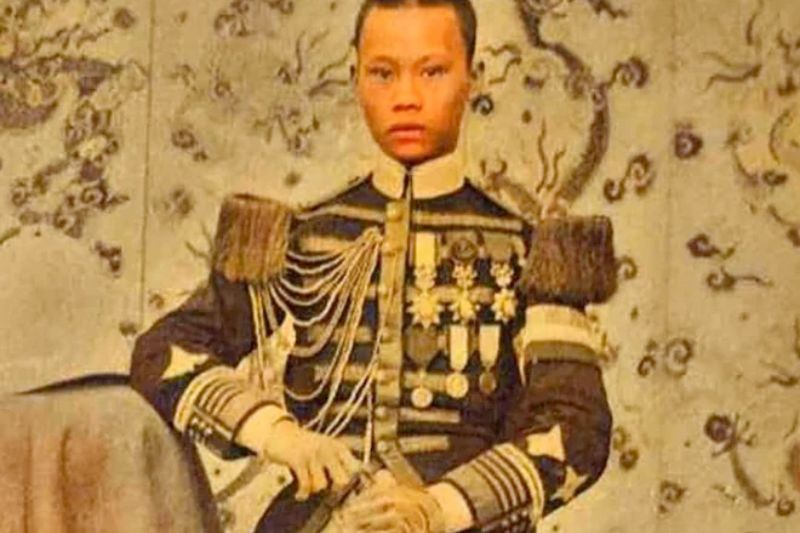
A patriotic rebel who feigned madness to distract French spies while secretly building resistance networks; he was eventually forced to abdicate and exiled to Réunion Island.
Emperor Duy Tân (1907–1916)
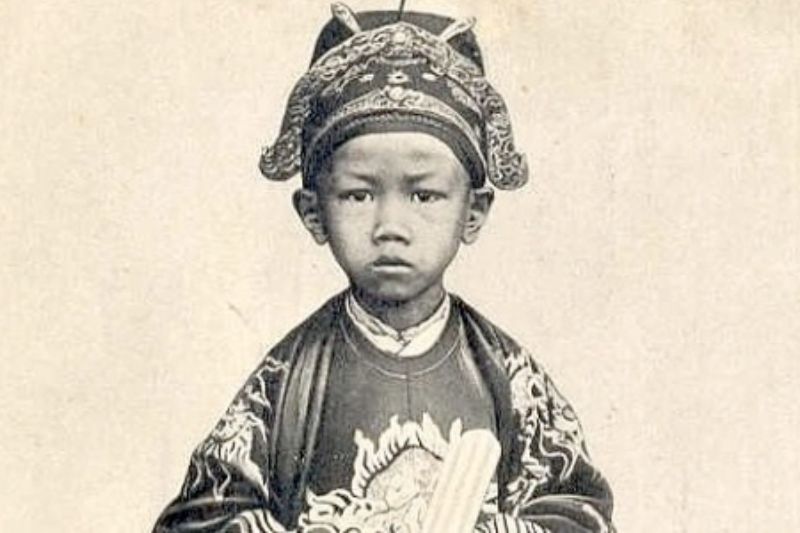
He was the son of Thành Thái and became emperor at just seven years old. As he grew up, he resisted French control and tried to launch an uprising in 1916. The plot failed, and France exiled him to Réunion Island alongside his father.
Emperor Khải Định (1916–1925)
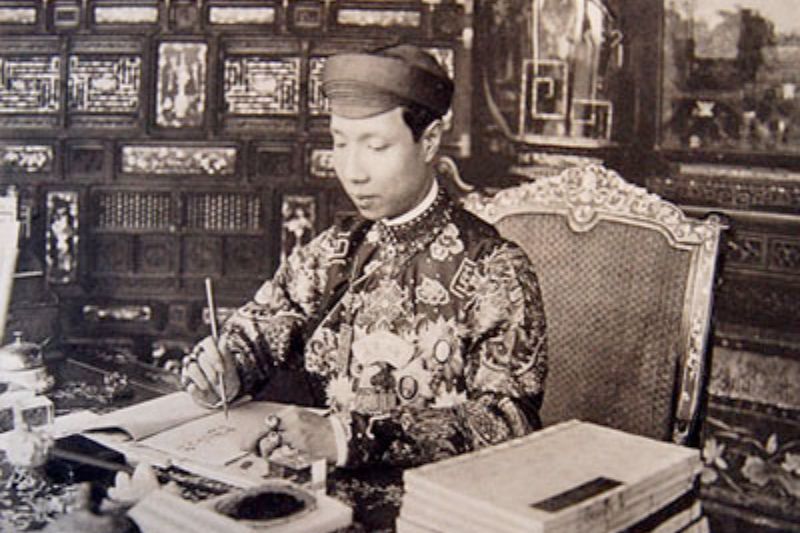
He maintained close ties with the French government throughout his reign. He is famous for his grand royal tomb – Khai Dinh tomb, which unique mixes European architecture with colorful Vietnamese ceramic mosaic art.
Emperor Bảo Đại (1926–1945)
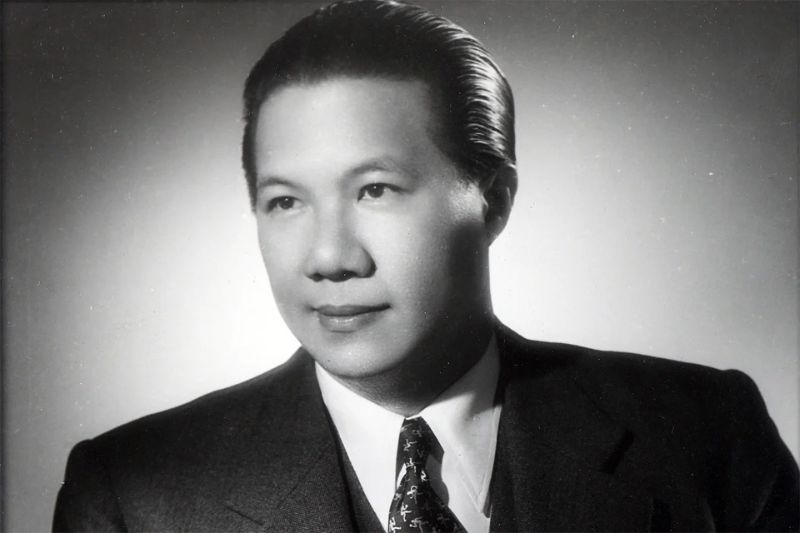
The thirteenth and final emperor. He saw the Japanese occupation during WWII, briefly headed the Empire of Vietnam in 1945, and ultimately surrendered power. “I would rather be a citizen of an independent country than the Emperor of an enslaved one.” – Emperor Bao Dai upon his abdication in 1945.
Government and Administration Under the Nguyen Dynasty
Some travelers assume Vietnamese imperial rule was loose or informal. Not the case at all. The Nguyen court ran on a strict bureaucratic system, and the emperor held absolute authority as both head of state and head of government.
Below the emperor sat six ministries: Administration, Rites, Finance, Public Works, Justice, and Education. There was also a Privy Council advising on major decisions. Gia Long issued his own legal code in 1812, based heavily on the Qing legal system, and it governed daily life across the empire.
The provincial system got a major overhaul under Minh Mang in 1831, when protectorates were reorganized into 31 provinces. Mandarins ranked from first to ninth grade managed local affairs, paid taxes in quan, and received rice and money based on rank. It’s a genuinely well-organized system for its time, and seeing the old administrative buildings in Hue really drives that point home.
Culture, Religion, and Society in the Nguyen Dynasty
Confucianism was the backbone of Nguyen society. It shaped education, court rituals, and the civil examination system. Buddhism, meanwhile, had a more complicated relationship with the state. Gia Long restricted it early on, yet Buddhism stayed alive within the royal family itself, especially among empresses and concubines.
Catholicism faced even rougher treatment. Minh Mang and Tu Duc both cracked down hard on Christian missionaries and Vietnamese converts, and this tension eventually gave France an excuse to invade.
Ethnically, the empire was diverse. Roughly 80% of the population was ethnic Vietnamese, but Cham, Chinese, Khmer, Muong, and Tay communities all lived under Nguyen rule too. If you enjoy learning how different groups coexisted (or clashed) under one government, this section of the tour won’t disappoint.
For travelers who want to see how this history connects to modern Hue life, I’d also recommend checking out our guide on exploring Hue’s top attractions after the tour. It pairs nicely with everything covered on the historical side.
French Conquest and the Loss of Vietnamese Independence
We cannot talk about the Nguyen dynasty without touching on the tragic colonial era. The French naval attack on Da Nang in 1858 marked the beginning of a prolonged conquest. By 1862, under the Treaty of Saigon, Emperor Tu Duc was forced to cede three southern provinces, creating the French colony of Cochinchina.
Over the following decades, military pressures forced the royal court to sign the Treaty of Hue in 1883 and 1884. These unequal agreements stripped the court of foreign policy independence and split the remaining territory into two protectorates: Annam and Tonkin.
In 1887, France integrated these regions with Cambodia to form French Indochina, reducing our once-mighty imperial court to symbolic administrators who ruled by decree under colonial oversight.
Collapse of the Dynasty and the End of Vietnamese Monarchy
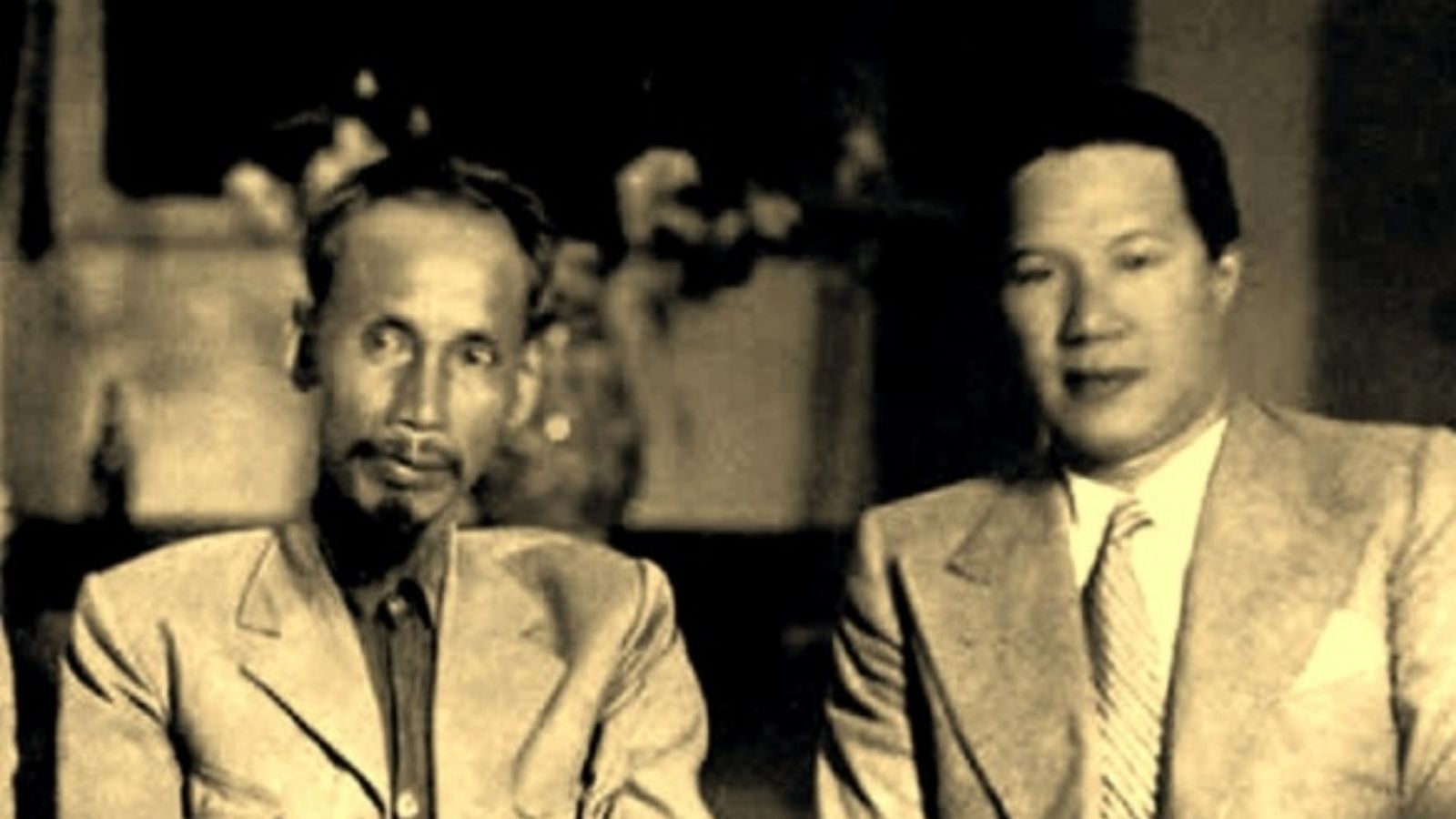
World War II sealed the dynasty’s fate. Japan occupied French Indochina starting in 1940, and in March 1945, Japanese forces overthrew the French administration entirely. Bao Dai was installed as emperor of the short-lived Empire of Vietnam, a puppet state under Japanese control.
That arrangement didn’t last long. Once Japan surrendered, the Viet Minh launched the August Revolution, and Bao Dai abdicated on 25 August 1945. That single event closed a 143-year chapter of Vietnamese history. It’s a heavy moment to explain on tour, but I find travelers appreciate understanding the full weight of it rather than just seeing pretty buildings without context.
Nguyen Dynasty vs. Other Vietnamese Dynasties
Compared to the Tay Son dynasty it overthrew, the Nguyen dynasty built a far more lasting bureaucratic structure. The Tay Son ruled briefly and violently; the Nguyen ruled for nearly a century and a half with organized institutions.
Compared to the earlier Le dynasty, where emperors were often figureheads while the Trinh lords held real power, Nguyen emperors held direct, absolute authority from day one.
Regionally, historians place the Nguyen dynasty alongside Chakri Siam and Konbaung Burma as one of three major Southeast Asian powers during the 19th century. That’s not a small claim, and it helps travelers understand why this dynasty still matters on a wider historical scale, not just within Vietnam.
Imperial Architecture and Cultural Heritage of Huế
Visiting Hue today feels like stepping right back into the 19th century. The Imperial City of Hue was designed using ancient geomancy and Feng Shui principles, surrounded by massive stone ramparts and a wide moat. Inside lies the Purple Forbidden City, where the royal family lived, worked, and held state banquets.
Beyond the citadel walls, each ruler built an elaborate mausoleum along the Perfume River. For example, Minh Mang’s tomb shows peaceful symmetry, Tu Duc’s tomb feels like a romantic forest retreat, and Khai Dinh’s tomb blends Western concrete with traditional Vietnamese porcelain mosaics.
In addition to brick and stone, court culture flourished through performance arts. Nha nhac (Vietnamese court music) reached its artistic peak here, using complex bronze gongs, drums, and stringed instruments to perform during sacred state rituals.
FAQs about the Last Monarchy in Vietnam
Who was the founder of the Nguyen dynasty?
Nguyễn Phúc Ánh, known as Emperor Gia Long, founded the empire in 1802 after defeating the Tây Sơn dynasty.
How many emperors ruled during the Nguyen dynasty?
A total of 13 emperors ruled Vietnam under the dynasty between 1802 and 1945.
Where was the capital of the Nguyen dynasty located?
The imperial capital was located at Phú Xuân, which is modern-day Huế in central Vietnam.
Why did the Nguyen dynasty fall in 1945?
The dynasty ended when Emperor Bảo Đại abdicated during the August Revolution led by the Việt Minh, transforming Vietnam into a democratic republic.
