
Dong Ba Market Hue: Floor-by-Floor Shopping & Street Food Guide
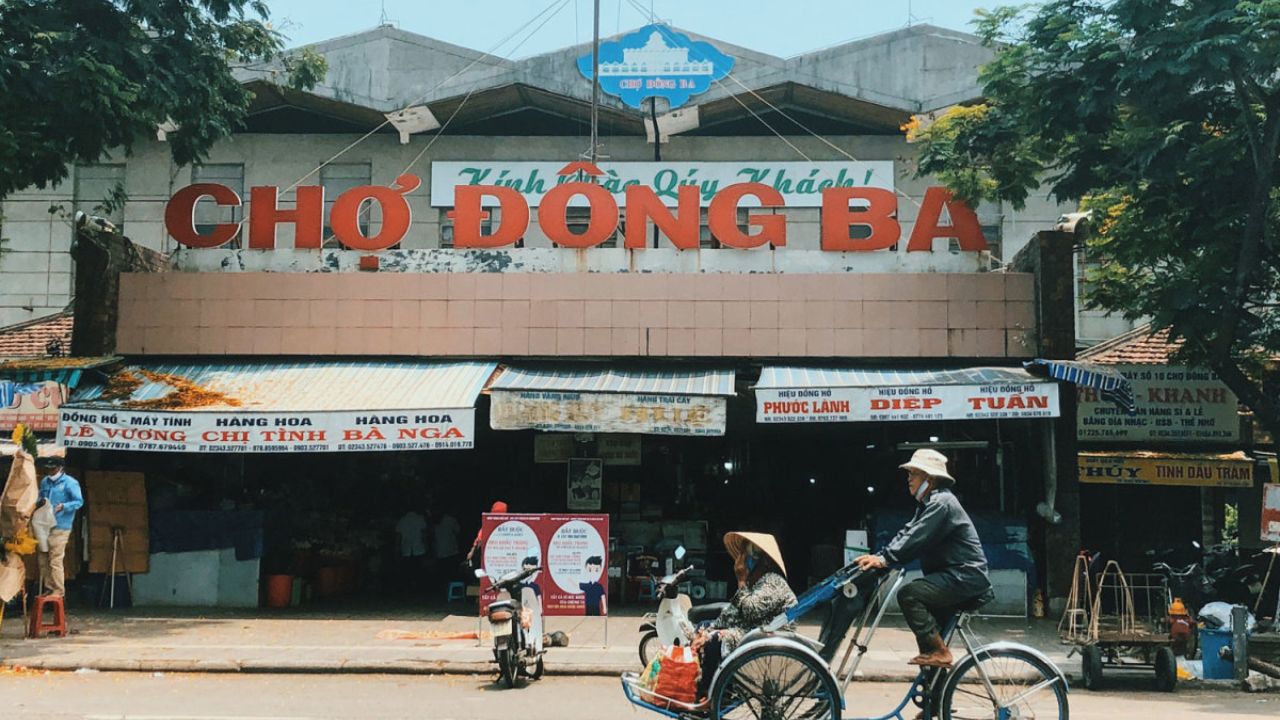
Looking for a vibrant slice of local life right in the heart of Vietnam’s ancient capital?
Dong Ba Market stands out as the ultimate spot to shop, eat, and immerse yourself in real Hue culture. Whether you want to try legendary street food or hunt down hand-crafted souvenirs, this legendary trading hub gives you a front-row seat to the daily rhythm of the city. Dong Ba Market is also included in our Hue City Private Tour, together with the Imperial City, Perfume River, Thien Mu Pagoda and royal tombs.
To help you plan an unforgettable stop, we built this complete floor-by-floor breakdown covering everything you need to see, eat, and buy.
The Historic Heritage of Dong Ba Market: From Imperial Roots to Modern Landmark
This vibrant center is far more than just a place to buy vegetables or t-shirts. It serves as a living historical witness that has evolved alongside the city for well over a century.
Before the modern venue existed, a major trade post called Qui Gia Thi Market stood outside the eastern citadel gate under King Gia Long. Unfortunately, violent clashes destroyed that market in 1885 during the fall of the capital. Two years later, in 1887, Emperor Dong Khanh rebuilt the trading site and gave it the official name Dong Ba Market.
Later in 1899, Emperor Thanh Thai relocated the market to its current spot along the Perfume River to improve boat transport connections. Over the decades, the complex expanded significantly. A comprehensive reconstruction effort in 1987 modernized the main multi-story building and constructed the signature bell tower you see today.
What to Expect at Dong Ba Market: A Floor-by-Floor Shopping and Food Guide
When you step inside the main 3-story building with its iconic central bell tower, the sheer size can feel overwhelming. The marketplace spans a vast footprint of 47,600 square meters, filled with lively vendor stalls. To save you time, the entire layout is split by product categories across three main levels.
First Floor (Fresh Produce, Specialty Sauces & Food Court)
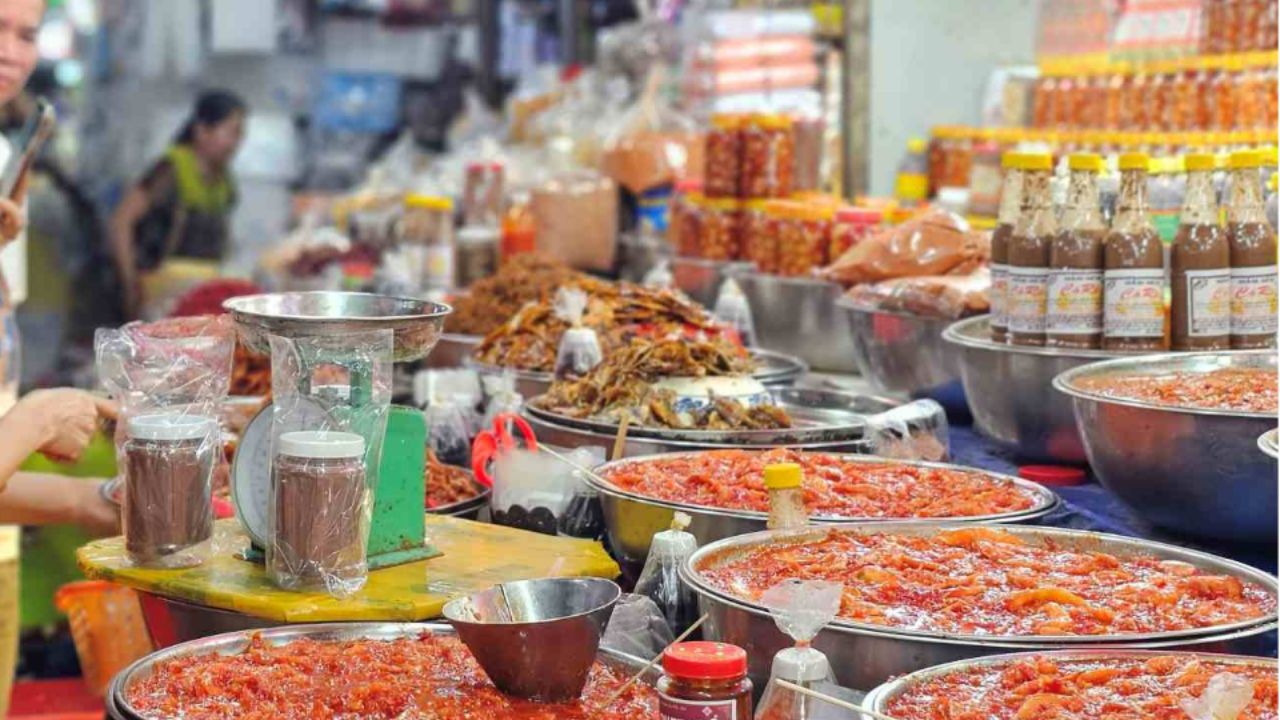
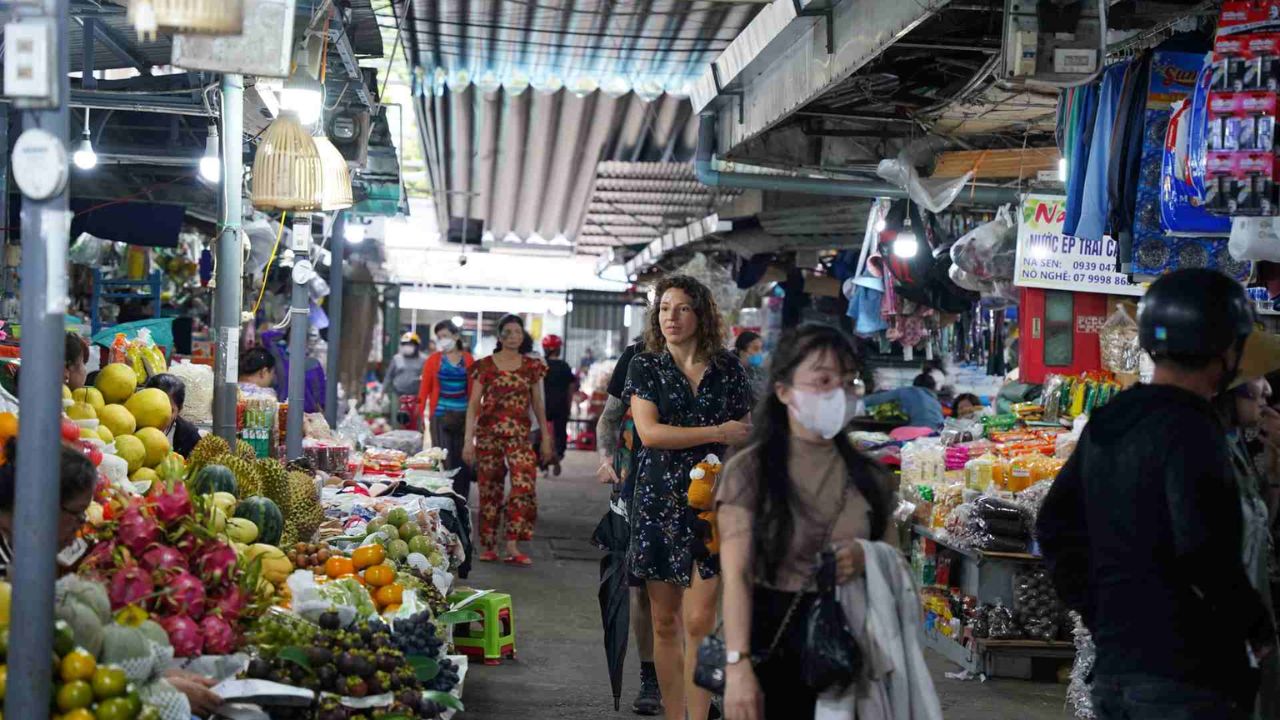
The ground level functions as the sensory engine of the entire complex. As you walk through the aisles, you will see a massive selection of fresh daily cooking ingredients alongside premium Central Vietnam seafood.
- Seafood & Fresh Produce: Vendors pack this area with fresh fish, poultry, vegetables, and dried shrimp.
- Regional Specialty Sauces: Hue is famous for its bold fermented seasonings. You can easily pick up authentic jars of Mam co Ri or flavor-packed Mam nem to take home.
- The Central Food Court: This bustling dining area accommodates roughly 200 people. It is where locals gather every morning to enjoy hot, traditional breakfast bowls.
Second Floor (Imperial Souvenirs & Traditional Handicrafts)
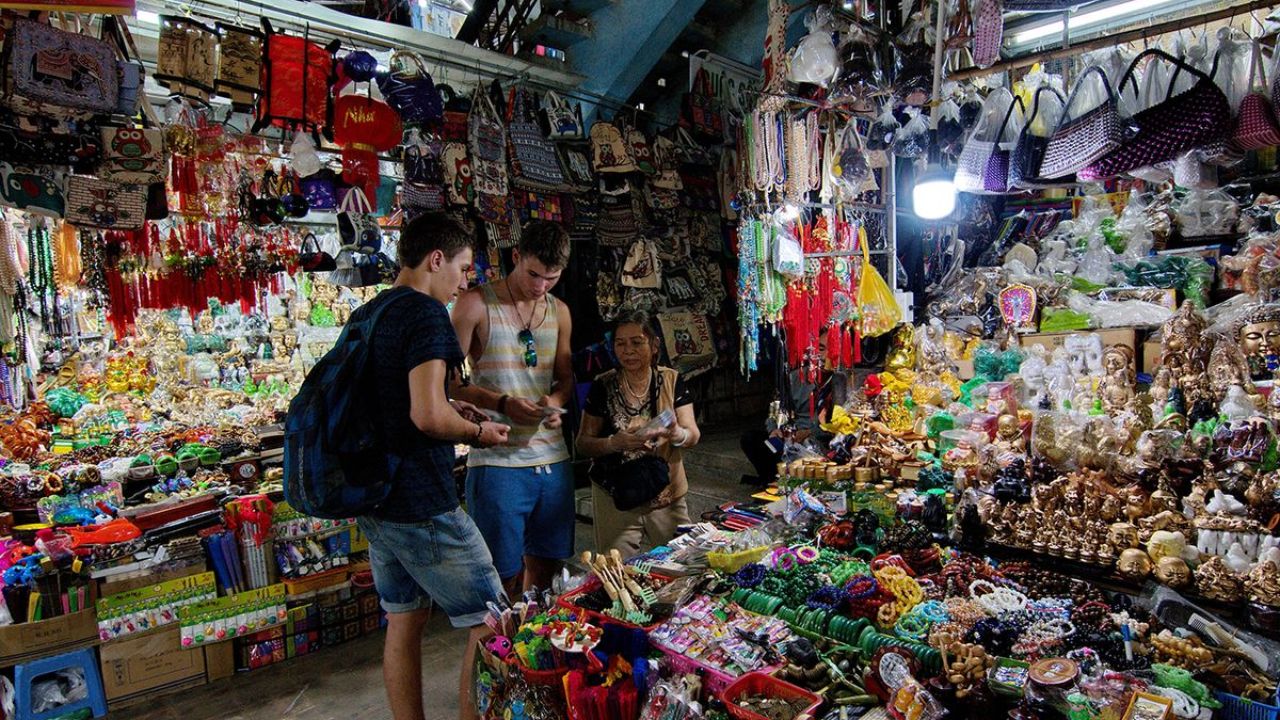
Moving up to the second floor brings you into a treasure trove of local craftsmanship and traditional artwork.
- Conical Hats: You will find delicate Phu Cam conical hats, including famous non la poem hats (Nón lá bài thơ). When held up to the light, hidden poetic verses reveal themselves inside the palm leaves.
- Pottery & Bamboo: Local artisans display durable Bao La bamboo products alongside traditional Phuoc Tich pottery.
- Jewelry & Gifts: Browse rows of handmade trinkets, bronze crafts, and delicate items from Ke Mon jewelry village.
Third Floor (Textiles, Traditional Garments & Ao Dai Tailoring)
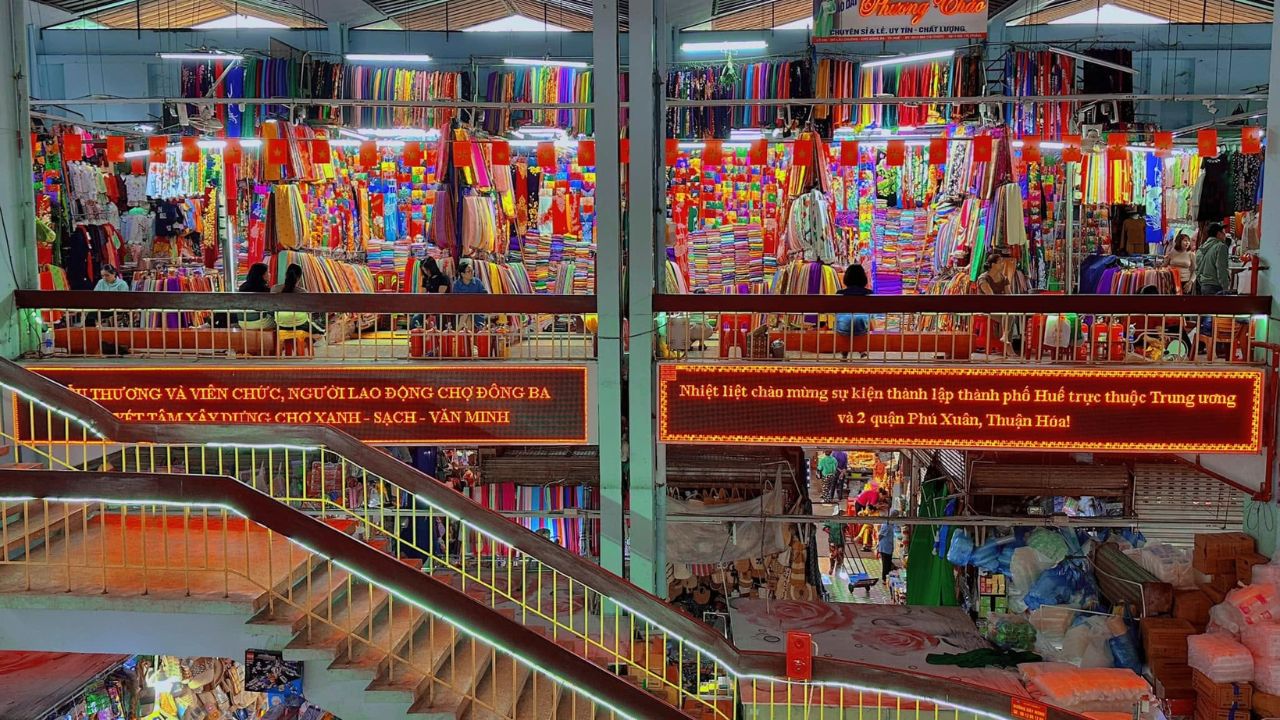
The top level caters entirely to fashion, fabrics, and custom clothing.
- Fabrics & Clothing: Stalls here display endless rolls of high-quality silk, everyday wear, and colorful textiles.
- Custom Ao Dai Tailoring: If you want a tailored Vietnamese tunic, vendors on this floor can help you pick the right pattern and arrange fast Ao Dai tailoring services.
Must-Try Street Food Dishes at the Dong Ba Food Court
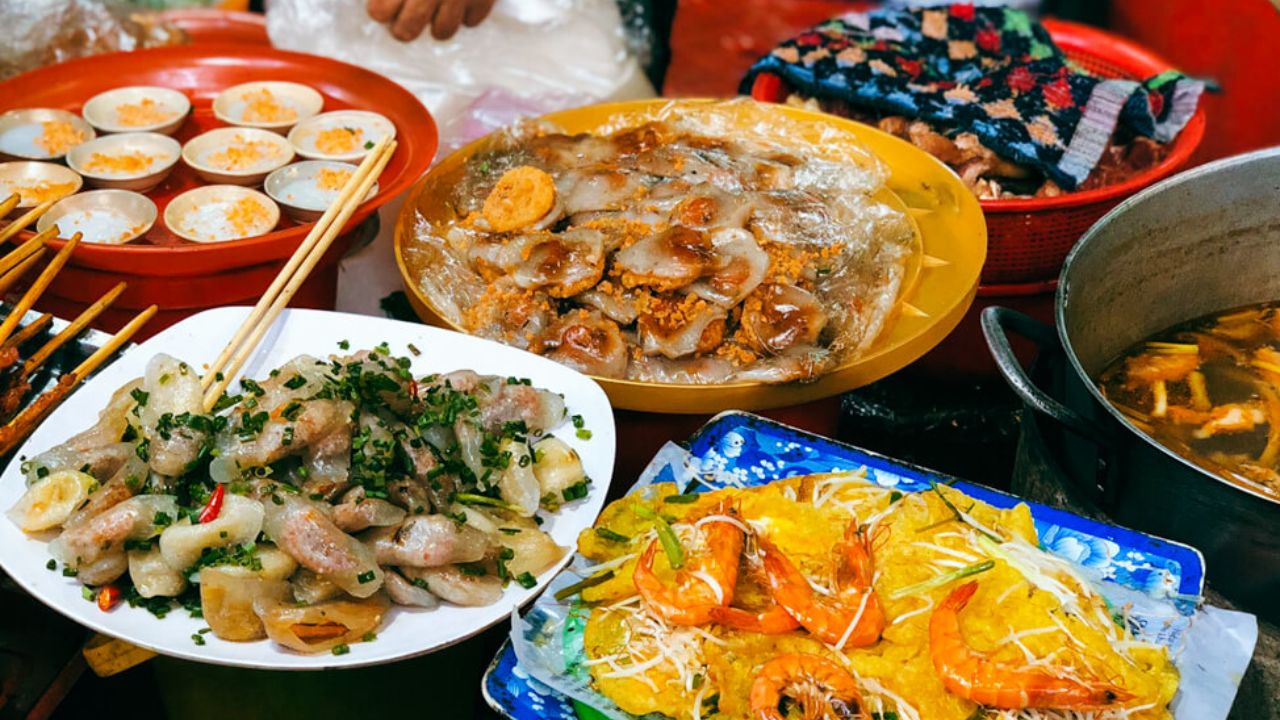
Food is easily my favorite part of visiting any marketplace, and the food court here never disappoints. Hue’s culinary heritage is legendary, and eating right inside the market gives you authentic flavors at budget-friendly prices.
- Bun Bo Hue: This rich, spicy beef noodle soup is packed with lemongrass, chili oil, and tender beef shank. It offers a much bolder kick than northern-style noodle soups.
- Pho: While Hanoi is famous for clear broth, local vendors here serve their own tasty regional variation.
- Steamed Rice Cakes: You must try Banh beo (served in small delicate saucers with dried shrimp), Banh nam (flat rice dumplings wrapped in banana leaves), and chewy Banh loc (tapioca dumplings stuffed with shrimp and pork belly).
- Che (Sweet Dessert Soups): To cool down after a spicy meal, grab a cup of icy Che. Choices range from sweet mung bean paste to chewy tapioca pearls in coconut milk.
How to Get to Dong Ba Market: Location, Transportation & Opening Hours
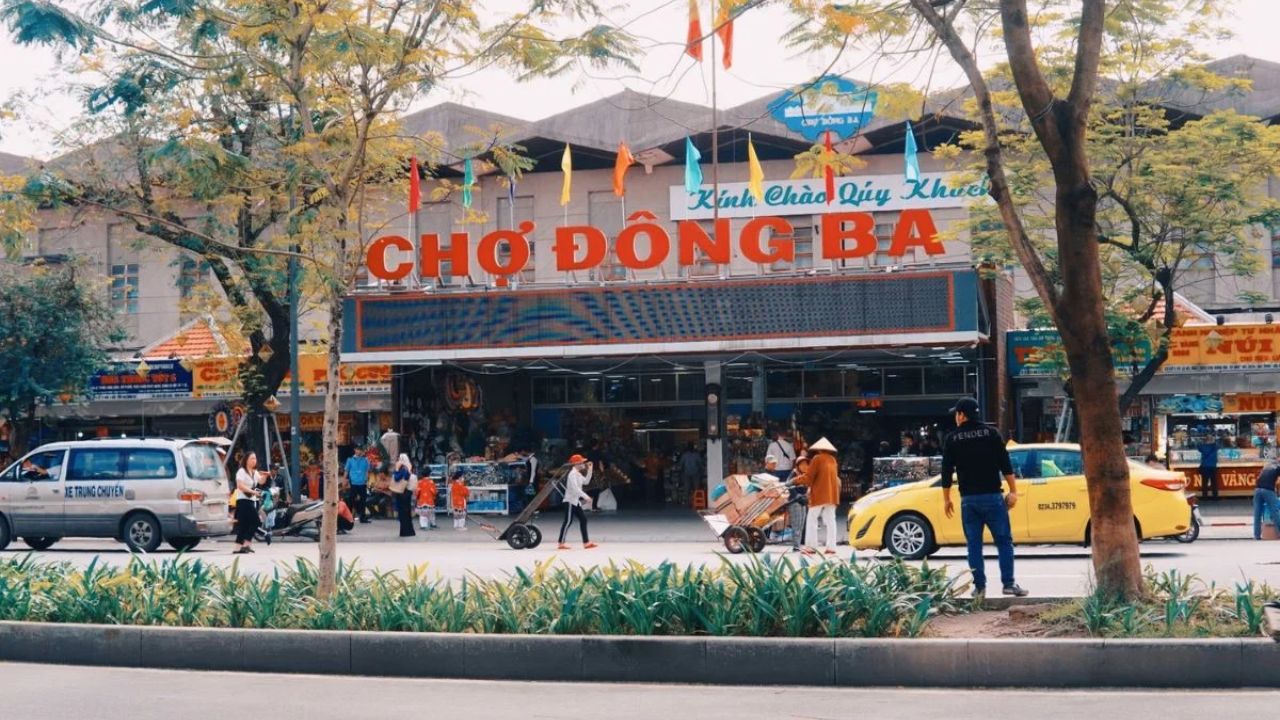
Exact Location & Landmark References
The market is officially located at No. 2 Tran Hung Dao Street, situated within Phu Hoa Ward in Hue City. The structure sits along the northern bank of the Perfume River, directly between Trang Tien Bridge and Gia Hoi Bridge. Because it sits just east of the main historic citadel complex, it serves as a natural stop during a day out exploring the area.
Operating Hours & Best Time to Visit
- Standard Hours: The market runs officially from 07:00 AM to 07:00 PM daily.
- Early Food Vendors: Dedicated breakfast vendors start setting up as early as 04:00 AM to 05:00 AM.
- When to Go: If you like avoiding heavy crowds and hot weather, visit after 03:00 PM in the late afternoon. Weekday mornings are also wonderfully calm compared to packed weekends.
Transportation Options
- By Taxi: A cab ride from central city hotels is quick and affordable, averaging around 13,500 VND per kilometer.
- By Motorbike: Renting a scooter costs between 100,000 and 150,000 VND daily. You can safely park right near the front market entrance for about 5,000 VND.
Practical Bargaining Tips and Shopping Etiquette for First-Time Visitors
Shopping in open-air markets is a thrilling experience, but knowing how to interact with local merchants keeps your trip stress-free and fun.
- Barter with a Smile: Initial quoted prices for tourists are often marked up. Negotiating is completely normal, but keep the vibe friendly and lighthearted. Offering around 20% to 30% below the opening price is a fair starting point.
- Mind the First Sale (Mo Hang): Local culture places high spiritual value on the very first transaction of the day. Avoid aggressive haggling early in the morning if you aren’t genuinely planning to purchase that item.
- Carry Cash: Most vendors do not accept credit cards. Keep small bills (such as 20,000 VND and 50,000 VND notes) handy so you can pay exact change easily.
- Keep Belongings Secure: Like any busy, crowded trading center worldwide, keep your personal items close and watch your pockets in narrow passageways.
Top Cultural Attractions to Visit Near Dong Ba Hue
Because the market sits right in the heart of the city center, you can easily combine your shopping trip with several iconic sights nearby.
If you want to discover more exciting highlights around Hue City, pairing this visit with historic landmarks creates a smooth day itinerary. For a guided day covering Hue’s major heritage sights, see our Hue City Private Tour.
- Truong Tien Bridge: Located steps away, this famous historic bridge offers fantastic scenic views across the river, especially when illuminated at night.
- Hue Imperial Citadel: Just a short distance west, this massive UNESCO World Heritage fortress was home to the Nguyen Dynasty monarchs.
- Perfume River Dragon Boats: Right behind the market along the bank, you can hop on a river cruise boat to visit ancient royal tombs and quiet riverside temples.
- Thien Mu Pagoda: Situated just a short drive or scenic boat trip upriver, this iconic seven-story pagoda stands as Hue’s oldest and most revered spiritual landmark.
FAQs About Dong Ba Market
What are the main products sold on each floor?
The 1st floor features fresh seafood, cooking spices, fermented fish sauces, and a large food court. The 2nd floor sells handcrafted souvenirs, conical hats, and ceramics. The 3rd floor specializes in fabrics, clothes, and custom tailoring.
Is there an entry fee to visit the market?
No, entry to the market is completely free for all visitors.
What is the best time of day to eat at the food court?
Morning between 07:30 AM and 09:30 AM is ideal for fresh breakfast noodles like Bun Bo Hue. Late afternoon after 03:00 PM is great for enjoying light snacks and icy dessert soups.
Can I walk to the market from the Hue Imperial Citadel?
Yes, the market is located just east of the Citadel walls, making it an easy 10-to-15-minute walk or a very quick 3-minute taxi drive.
