
Hue Royal Antiquities Museum: Vietnam’s Royal Heritage
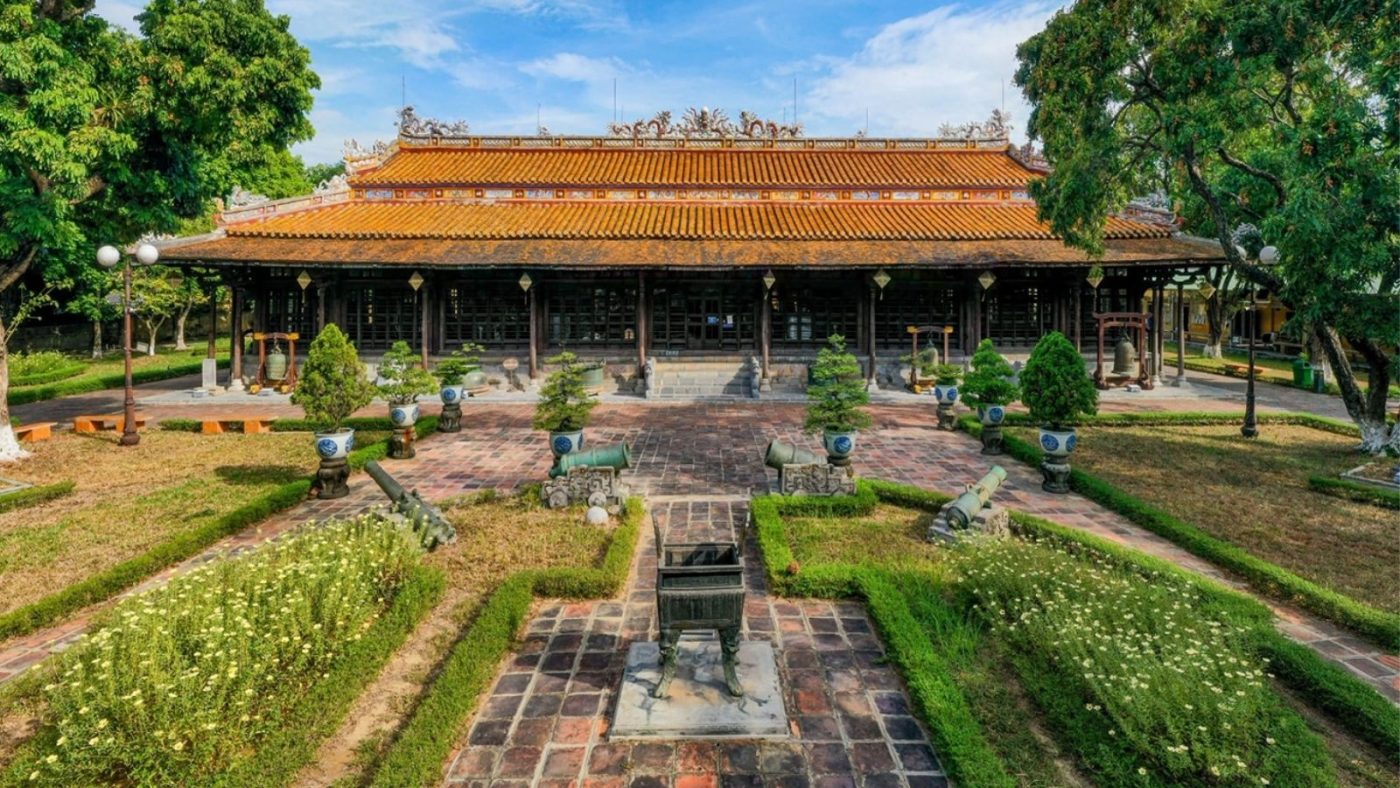
Curiosity about Vietnam’s royal past often starts with one place: the Hue Royal Antiquities Museum. Tucked inside the old Hue Imperial Citadel, this museum holds centuries of Nguyen Dynasty history in a single wooden palace. From roof carvings shaped like dragons to glass cases full of royal robes, everything here tells a story about a kingdom that once ruled central Vietnam.
This guide walks through everything you need to know about the museum and a few spots worth checking out nearby. By the end, travelers will know exactly what to expect and why this stop deserves a spot on the itinerary.
Hue Royal Antiquities Museum Overview
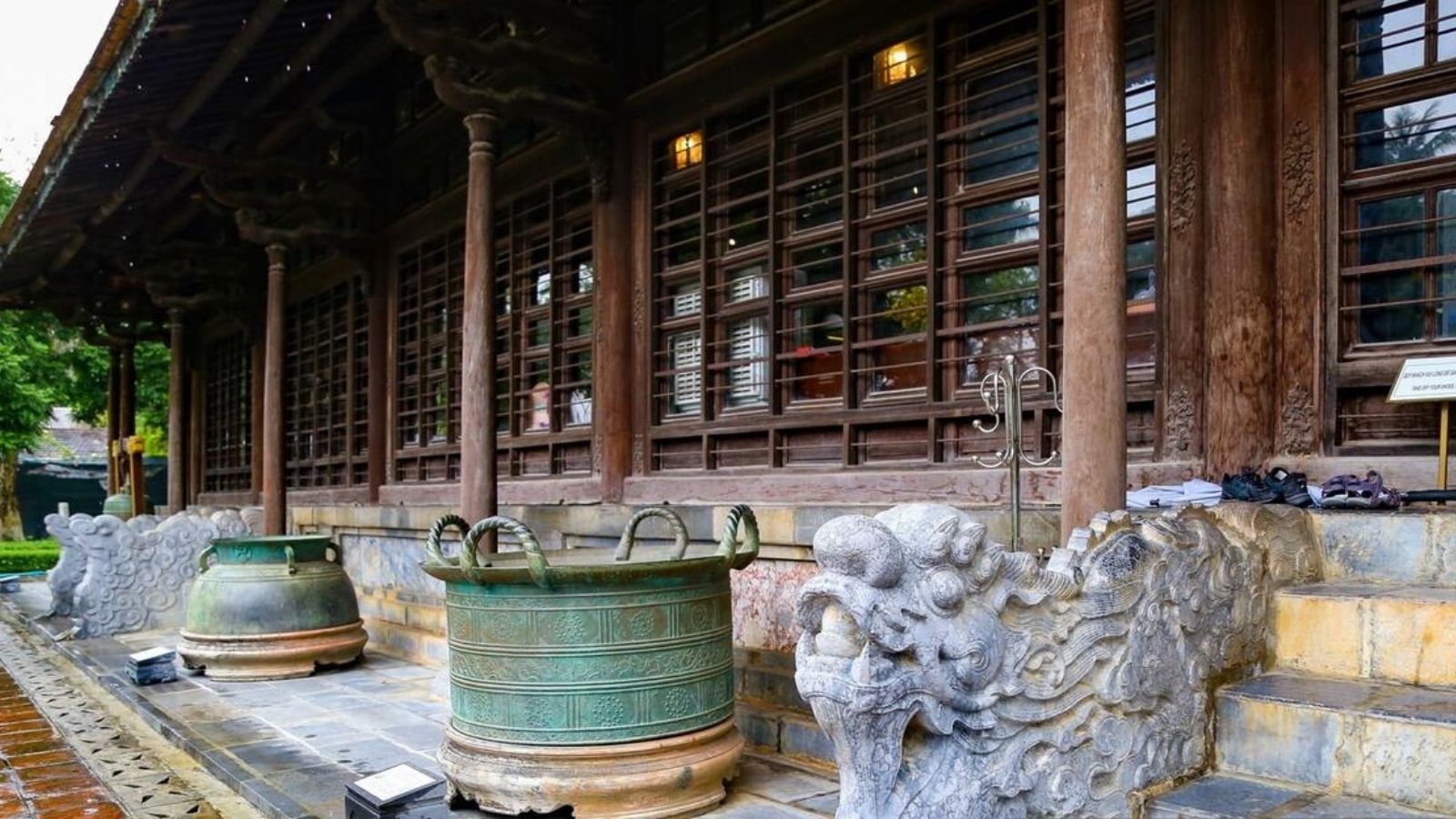
The Hue Royal Antiquities Museum sits right inside the Hue Imperial Citadel, and it’s one of the oldest museums in the whole country. Its main job is simple: keep the objects, clothing, and tools used by the Nguyen Dynasty royal family safe and on display for everyone to see.
Think of it as a time capsule. Everything inside reflects how the royal court actually lived, not just how history books describe it. That’s a big reason travel writers and tour guides keep pointing people here. It’s not a recreated set or a demo exhibit built for tourists. These are the real deal, artifacts collected since the early 1900s.
For anyone chasing an authentic slice of Vietnamese royal history, this museum checks that box early on in a Hue trip.
History and Name Changes of the Museum
From Musée Khai Dinh to Today’s Name
It started in 1923 as Musée Khai Dinh, named after Emperor Khai Dinh. Back then, before 1945, it was considered one of the brightest museums in all of Indochina. Researchers and collectors from around the world knew about it. That’s not a small claim, and honestly, walking through the building today, I can still see why it earned that reputation.
Timeline of Name Changes (1923–Present)
The naming history goes like this:
- 1923–1947: Musée Khai Dinh
- 1947–1958: Tàng Cổ Viện Huế (Hue Institute of Antiquities)
- 1958–1979: Hue Museum
- 1979–1992: Antiquities Gallery
- 1992–1995: Hue Museum of Antiquities / Hue Royal Fine Arts Museum
- Today: Hue Royal Antiquities Museum or Hue Museum of Royal Antiquities
The museum was also recognized by the Vietnam Tourism Association as one of the country’s most favorite museums back in 2015. So this isn’t just old news, it’s still earning attention decades later.
Long An Palace — The Museum’s Main Building
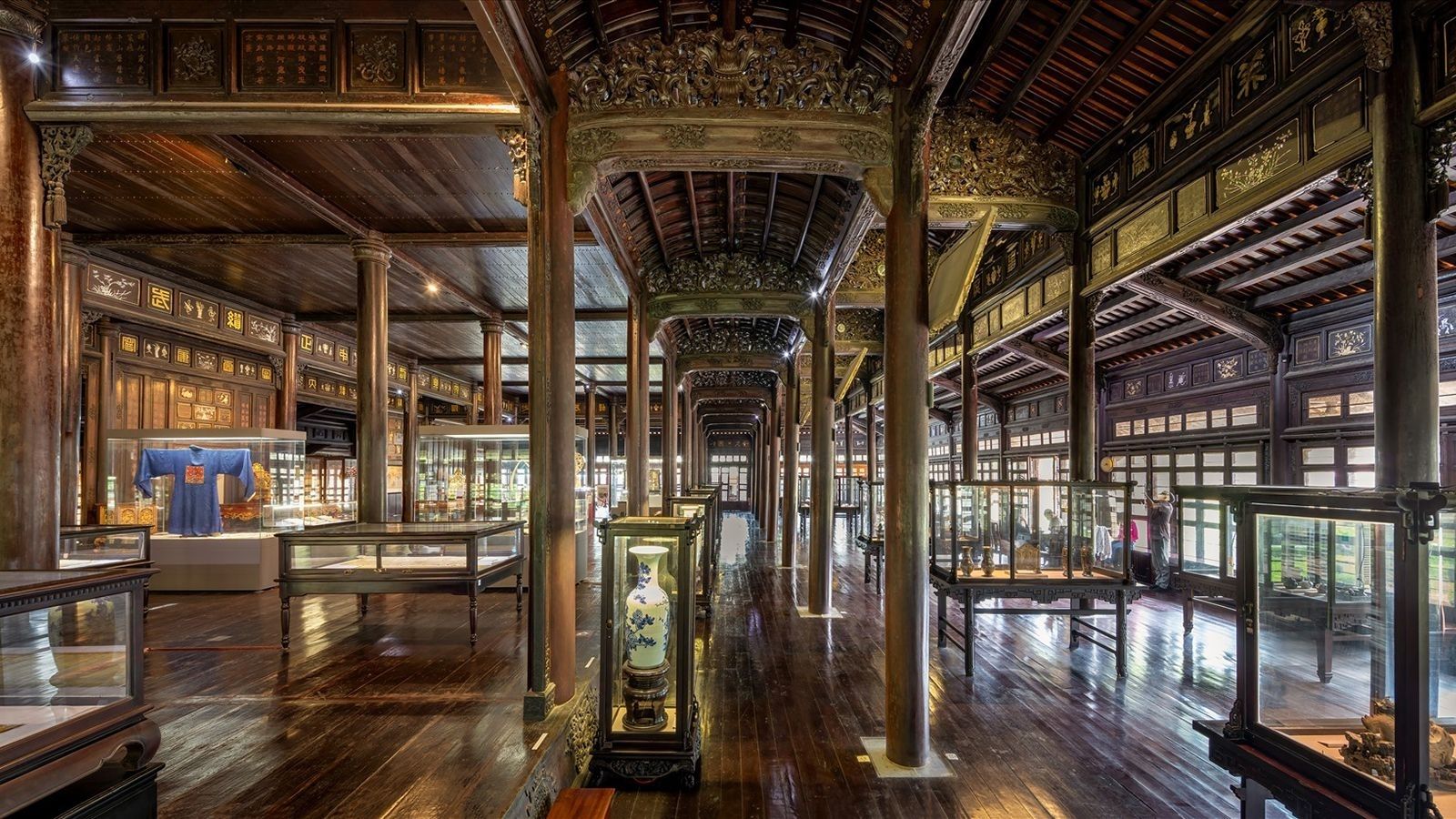
If there’s one thing I didn’t expect, it’s how much the building itself steals the show. The main structure housing the collection is Long An Palace, and it has its own wild backstory.
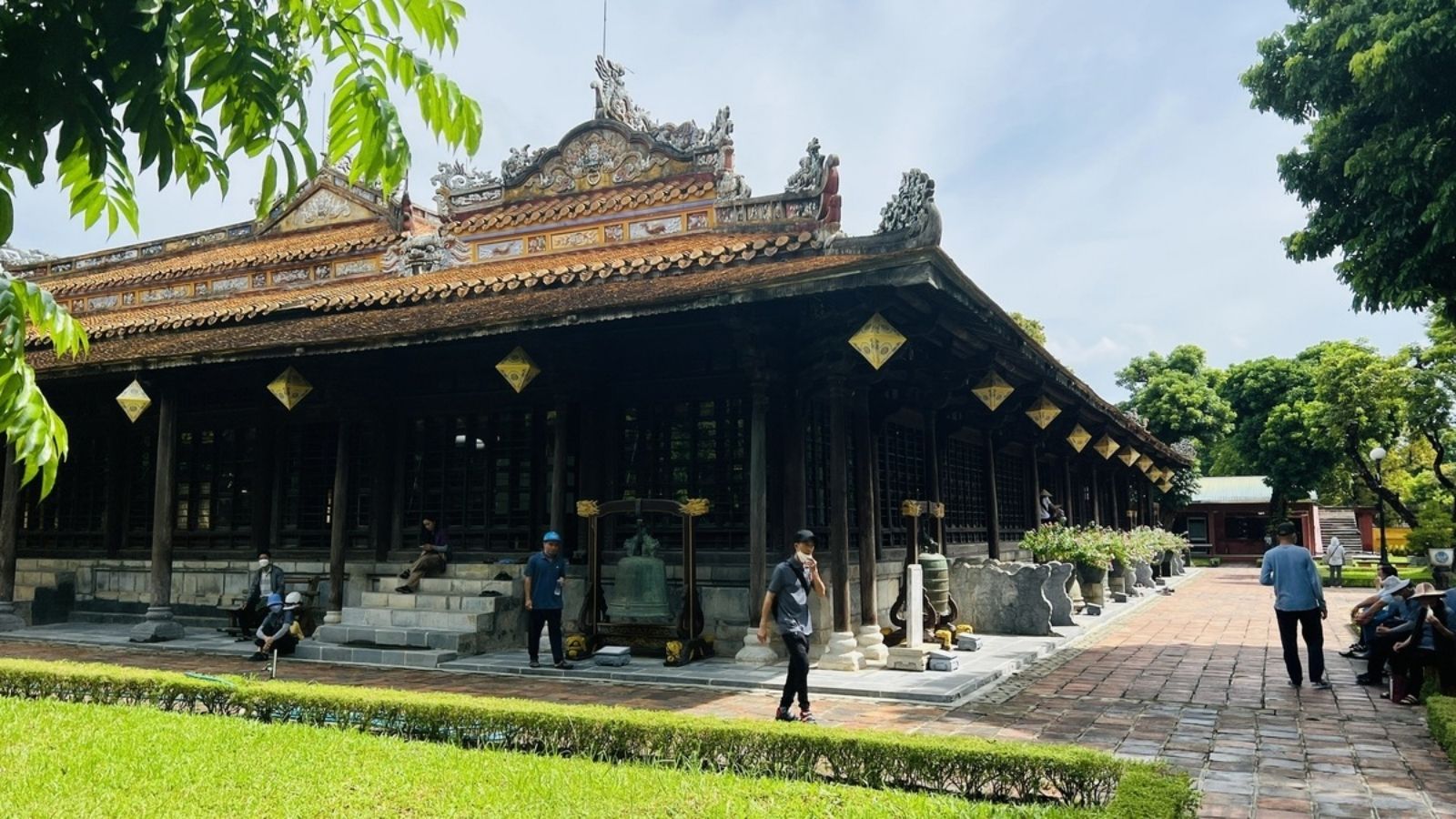
Long An Palace was originally built in 1845 for Emperor Thieu Tri. He used it as a resting spot during royal ceremonies near the Tich Dien fields. Later, in 1909, Emperor Duy Tan had the whole palace moved to serve as a library for the Quoc Tu Giam school. Then in 1923, it got repurposed one final time, into the museum building we see today.
The architecture alone is worth the visit. It’s built with erythrophleum fordii wood in a “Trùng thiềm điệp ốc” (double-roof) style, supported by 128 columns. Look up at the roofline and you’ll spot carvings of the four sacred spirits: dragon, turtle, phoenix, and qilin. There are also over 1,000 kanji poems etched along the columns.
Fine art researchers have called this “a magnificent building among the most beautiful of Vietnamese palaces,” and I’m not going to argue with that.
What Artifacts Can You See Inside the Museum?
Nguyen Dynasty Royal Costumes and Textiles
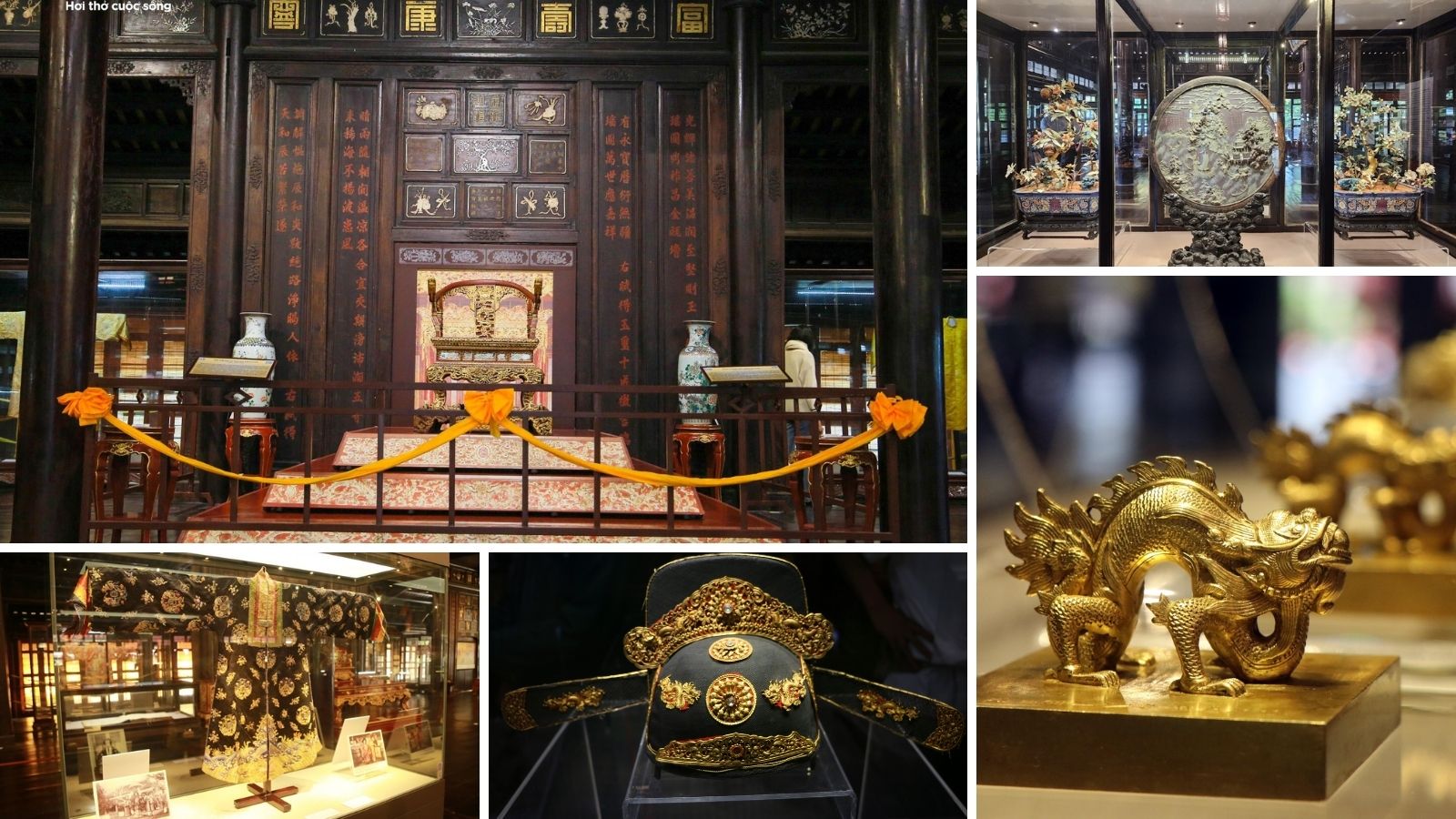
The costume section is a favorite of mine. You’ll find robes, hats, belts, and shoes once worn only for specific royal occasions. Color and pattern weren’t random either, they signaled rank and status within the court. The textile pieces nearby show the same level of detail: fine threads, rich dyes, and fabric used for traditional garments like ao dai.
Antique Coins and Currency
Next up, the coin collection. These pieces were made from gold, silver, copper, and brass, and many carry symbols tied to specific royal families or proverbs from the time. It’s a small but interesting window into how the economy functioned under the Nguyen court.
Ceramics and Bleu de Hue Porcelain
The ceramic collection is massive, spanning the 11th to early 20th century. One standout is the blue enamel porcelain often called “Bleu de Hue.” Thousands of these ceramic pieces were either commissioned by the court, purchased from abroad, or gifted through diplomatic missions.
Champa Sculptures and Artifacts from Tra Kieu
There’s also a separate room holding more than 80 Champa artifacts. These were collected from excavations at Tra Kieu back in 1927. Researchers consider this collection a rare cultural heritage, not just for Vietnam but globally. If you’re into ancient sculpture, don’t skip this section, it’s easy to walk past without noticing.
Location, Address, and How to Get There
The museum sits at No. 03 Le Truc Street, Hue City. It’s right in the heart of the old citadel area, so getting there isn’t complicated.
Most travelers reach it by car, motorbike, or taxi. Renting a motorbike is a popular option here, and daily rental usually runs between 120,000 and 150,000 VND depending on the bike. Just remember to bring identification papers and check the bike over before riding off. Traffic in Hue moves slower than in Hanoi or Saigon, so it’s a manageable ride even for first-timers.
Opening Hours and Ticket Prices
Hours shift a bit depending on the season:
- Summer: 6:30 AM to 5:30 PM
- Winter: 7:00 AM to 5:00 PM
Ticket prices are straightforward:
- Adults: 50,000 VND
- Children under 12: Free
One tip from experience, buy the ticket at the counter rather than through a third party. It’s cheaper and there’s no confusion at the gate.
Best Time to Visit and What to Expect
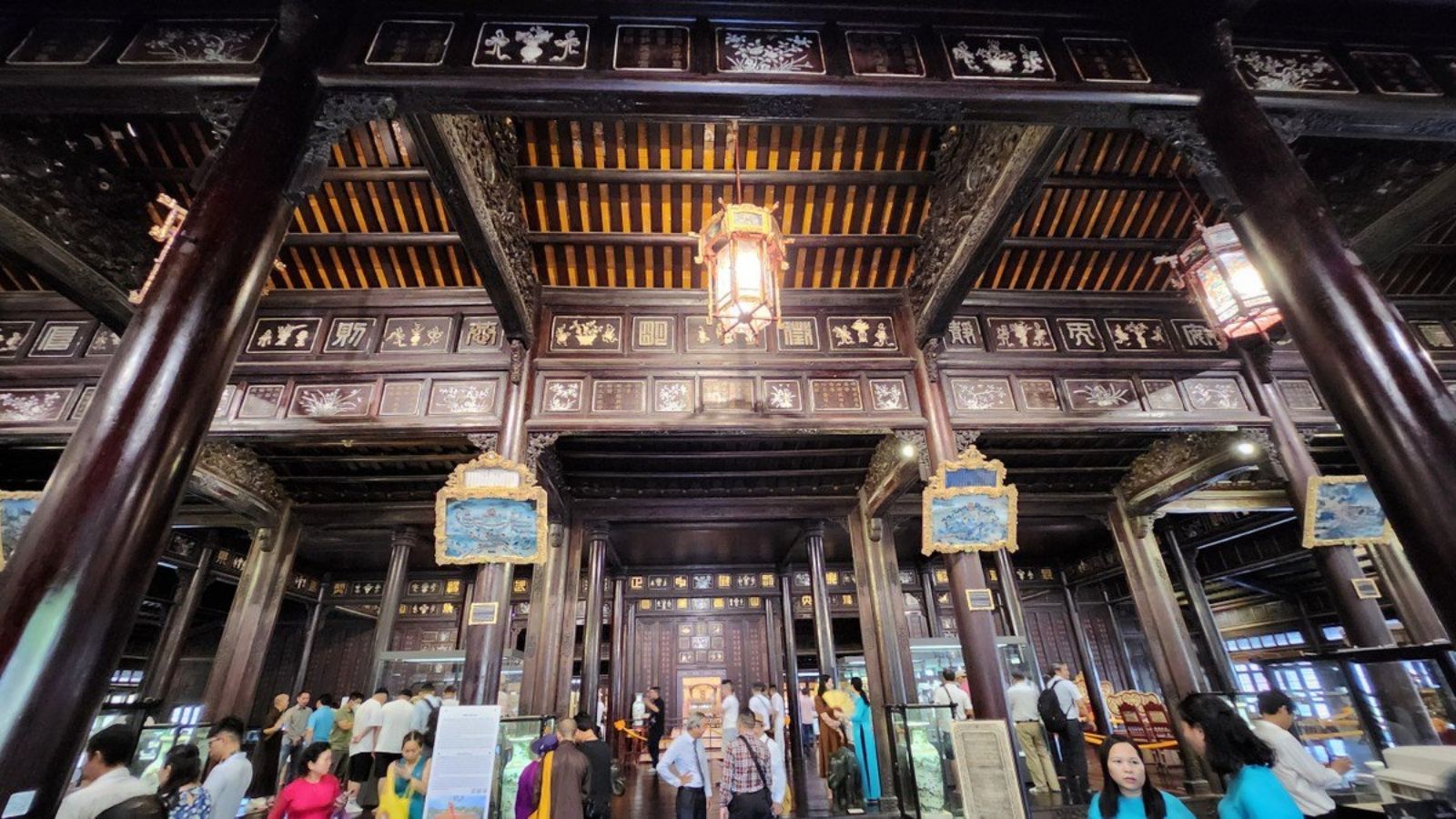
Morning visits tend to be quieter, especially right after opening. If crowds aren’t your thing, aim for that early window. Most people spend around 45 minutes to an hour inside, though history lovers could easily stretch that longer.
Since the museum sits inside the Imperial Citadel complex, it pairs naturally with other nearby sights. Many travelers combine this stop with a broader walk through the citadel grounds, checking off multiple landmarks in a single afternoon. If you’re mapping out a fuller day, this guide on things to see and do around Hue is a solid place to plan the rest of your route.
Nearby Attractions to Visit After the Museum
Once you’re done here, there’s plenty within walking or short-riding distance:
- Perfume River
- Trang Tien Bridge
- Dong Ba Market
- Thien Mu Pagoda
For those with extra time, Hoi An and Da Nang are both reachable and make for a natural extension of a Hue trip. I’d recommend at least a half-day buffer if you’re planning to hit both cities after Hue.
FAQs about Hue Museum of Royal Antiquities
How much does it cost to enter the Hue Royal Antiquities Museum?
Adult tickets cost 150,000 VND, and children pay 50,000 VND.
What are the opening hours?
6:30 AM to 5:30 PM in summer, and 7:00 AM to 5:00 PM in winter.
Is the museum inside the Hue Imperial Citadel?
Yes, it’s located within the citadel grounds at No. 03 Le Truc Street.
What’s the main building called?
Long An Palace, built in 1845 and later converted into the museum in 1923.
Are Champa artifacts part of the collection?
Yes, over 80 Champa pieces excavated from Tra Kieu in 1927 are on display in a separate section.
How long should I plan to spend there?
Around 45 minutes to an hour is typical, longer if you enjoy reading historical details closely.
Whether you’re a history buff or just passing through Hue for a day, the Hue Royal Antiquities Museum delivers a solid, honest look at royal Vietnamese life. It’s not a demo exhibit or a sample of history, it’s the real archive. Add it to the itinerary, pair it with a walk through the citadel, and you’ll walk away understanding Hue a lot better than before.
