
Mausoleum of Emperor Tu Duc: History, Architecture & Tips
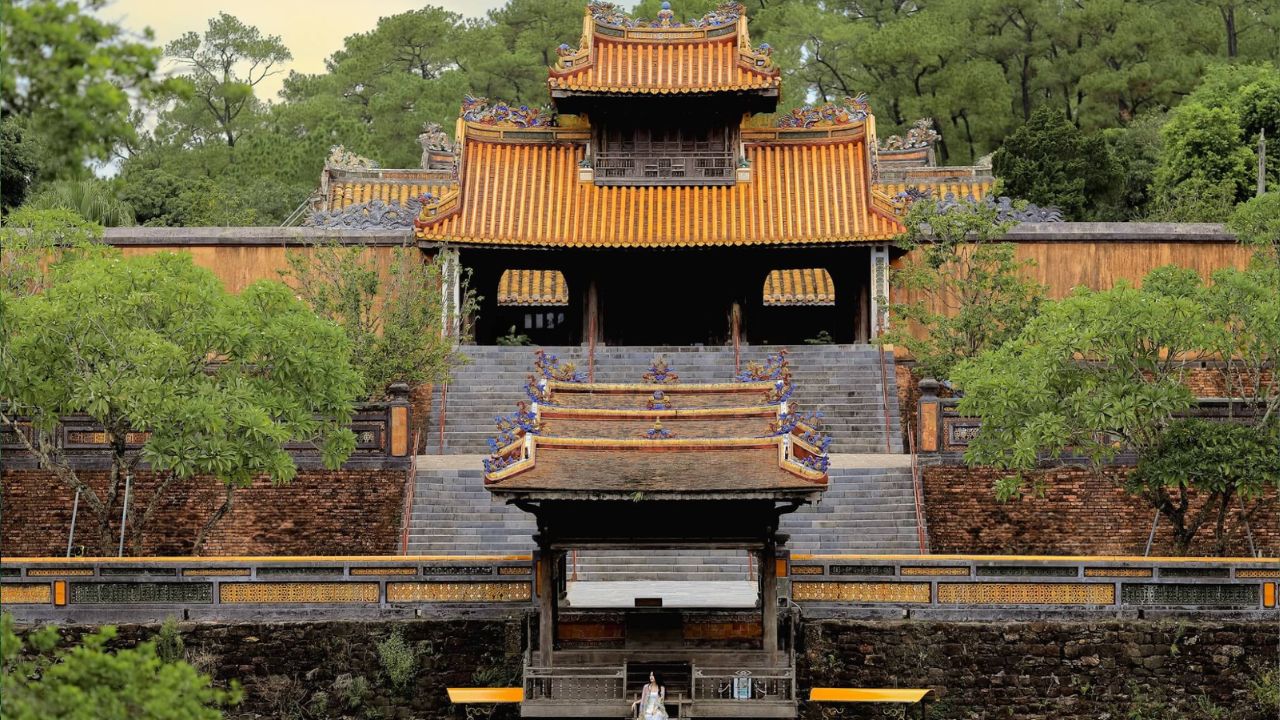
Nestled in a tranquil pine forest near the Perfume River, the Mausoleum of Emperor Tu Duc stands out as one of the most picturesque royal sites in Vietnam. Built during the 19th century under the Nguyen Dynasty, this sprawling 12-hectare estate served as both a living palatial retreat and a final shrine for the monarch.
Visitors traveling through Thuy Xuan Ward can explore tranquil lotus lakes, historic theater halls, and stone courts while uncovering the fascinating secrets behind its construction.
Historical Significance and Design of Emperor Tu Duc Mausoleum
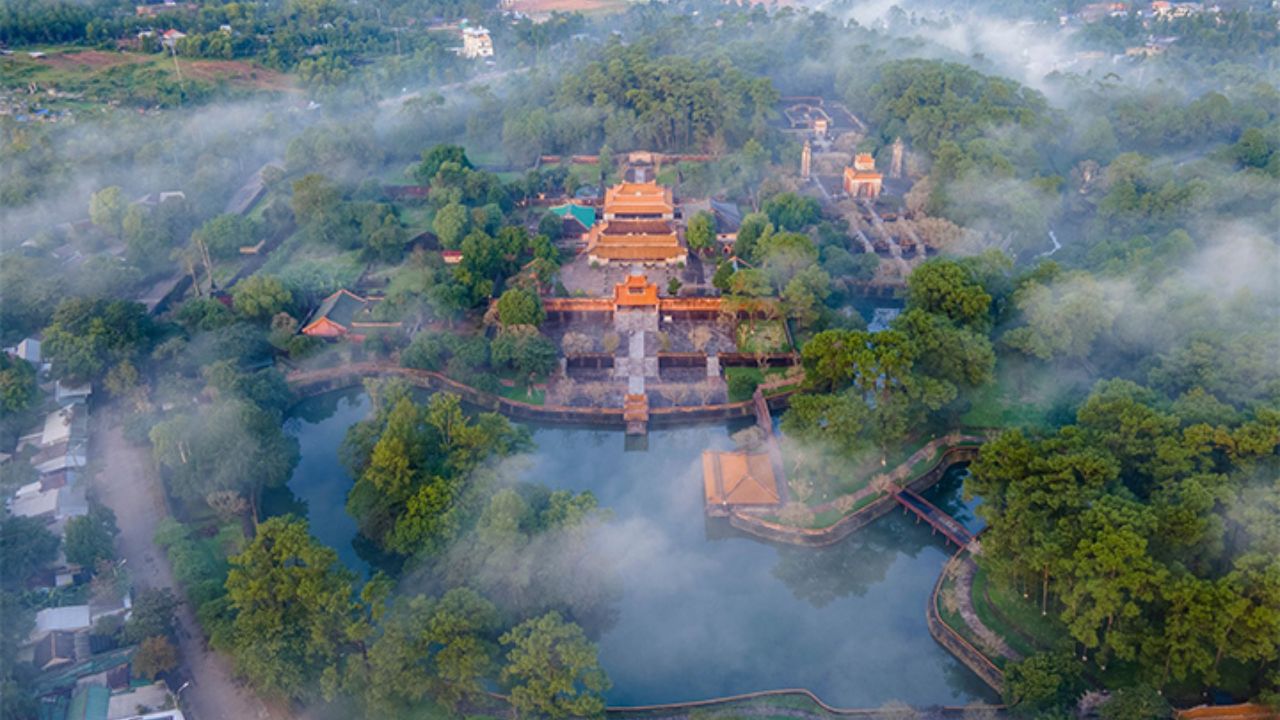
When we step onto the quiet grounds of the Tu Duc Tomb, we immediately feel the deep history of the Nguyen Dynasty. Construction began in 1864 and finished in 1867. Emperor Tu Duc, who enjoyed the longest reign of any monarch in the dynasty from 1847 to 1883, planned this site long before his passing.
Originally, the complex was called Van Nien Co, which translates to the Palace of Eternity. However, building such a grand estate required harsh corvée labor and high taxes, which unfortunately triggered a labor revolt in 1866.
To calm the political tension, the court renamed the site Khiem Cung, meaning the Palace of Modesty. Eventually, after the ruler passed away, people officially knew the complex as Khiem Mausoleum or Khiem Lang.
What makes this royal property so unique is its dual purpose. Emperor Tu Duc actually used this 12-hectare retreat as his primary living space and working escape to read, write poetry, and dodge stressful state affairs.
Naturally, after 1883, it transformed into his dedicated worship shrine and tomb area. The architecture perfectly blends classic Nguyen Royal Architecture with the surrounding pine forest and rolling hills of Thuy Xuan Ward in Hue City.
Key Architectural Highlights Within the Mausoleum Complex
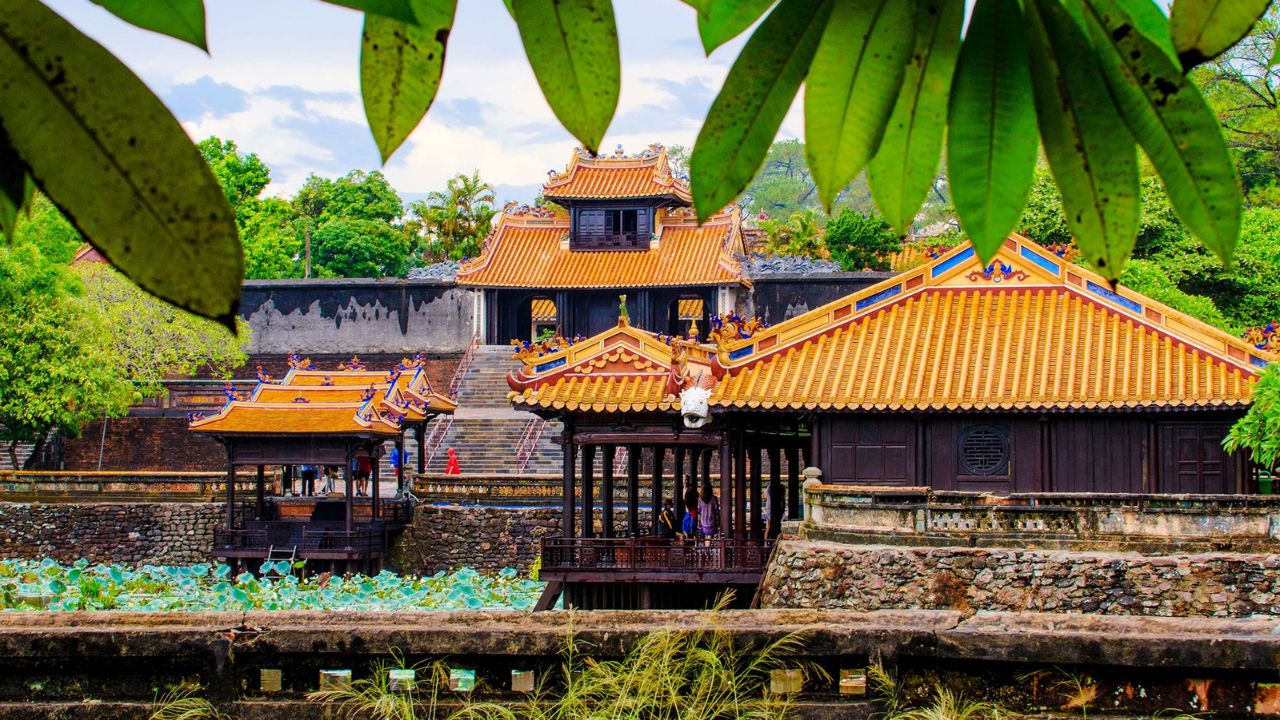
Exploring the grounds feels like walking through a sprawling imperial palace park. The layout splits into two main sections: the temple area for daily living and worship, and the formal tomb area.
- Hoa Khiem Palace: This main hall once served as the working office of Emperor Tu Duc. Today, it stands as a solemn shrine where caretakers worship the emperor and his primary wife, Empress Le Thien Anh.
- Luong Khiem Temple: Situated right behind the main palace, this quiet space honors Empress Dowager Tu Du, the beloved mother of Emperor Tu Duc. Adjacent to it sits the On Khiem Chamber, which stores historical imperial items.
- Minh Khiem Ancient Theater: A true cultural gem built in 1864. The theater features intricate carved wooden pillars and a ceiling painted with stars, the moon, and the sun. It functions as a royal theater where the court enjoyed traditional music and drama.
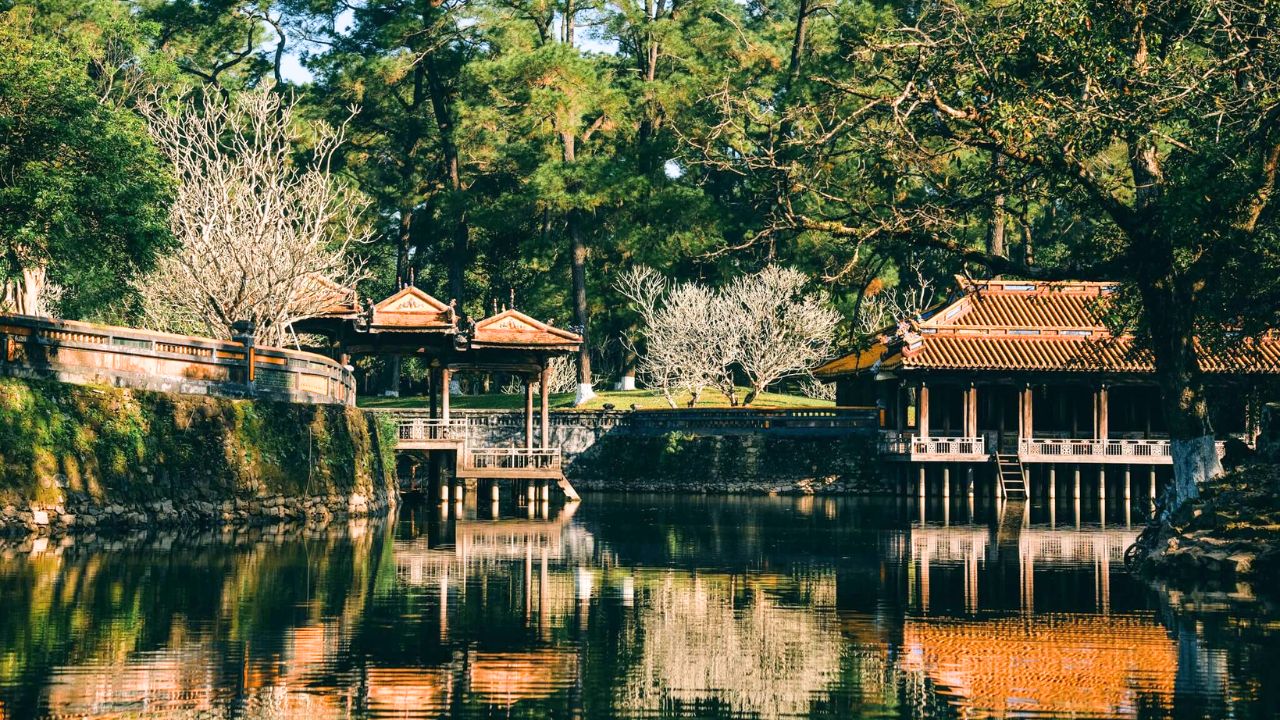
- Luu Khiem Lake & Tinh Khiem Islet: Luu Khiem Lake sits right in front of the main gate. In the middle lies Tinh Khiem Islet, where royal workers planted rare flowers. We love sitting by Xung Khiem Pavilion or Du Khiem Pavilion to watch the lotus blooms, just like the monarch did while writing poetry.
- The Tomb Area & Stele Pavilion: Walking past the living quarters brings us to Bai Dinh, or the Court of Honor. It features two rows of stone statues including mandarins, horses, and elephants standing guard.
The Mystery of the Secret Burial Site and the 20-Ton Stone Stele
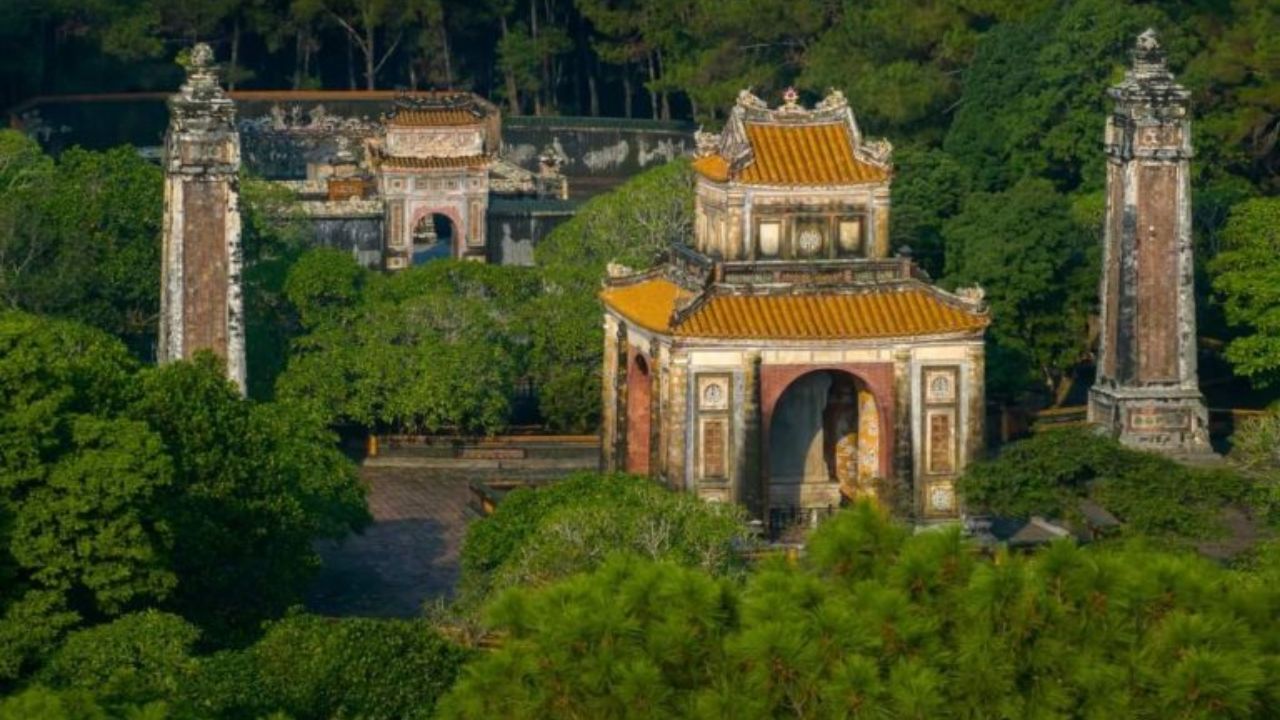
Heading past the palace grounds leads us into the formal tomb area, where history meets legend.
The procession begins at Bai Dinh, or the Court of Honor. Here, two solemn rows of stone statues—including mandarins, elephants, and horses—stand guard to accompany the monarch into the afterlife.
Right behind the courtyard sits Bi Dinh, the famous Stele Pavilion. Inside sits a massive 20-ton stone stele, which holds the record as the largest stone stele in Vietnam. Craftspeople quarried this giant stone block over 500 kilometers away, taking a staggering four years just to transport it to the site. Because the ruler lacked a son due to infertility caused by a past bout with smallpox, he wrote his own epitaph (Khiem Cung Ky) carved directly onto its surface.
Historical accounts reveal that the real body of Emperor Tu Duc rests in an undiscovered secret location somewhere in Hue. To ensure the true grave remained hidden from tomb robbers and political enemies, all 200 laborers who interred the body were beheaded upon their return.
To this day, the exact burial spot remains a complete mystery. Additionally, the grounds hold the smaller tombs of his primary wife, Empress Le Thien Anh, and his adopted son, Emperor Kien Phuc, who ruled for just seven months.
Visitor Guide: Tickets, Opening Hours, and Location Directions
If you are planning your journey through Central Vietnam, adding this historic destination to your itinerary is a must. It offers a peaceful contrast to the busier sights around the region, making it one of the most captivating heritage stops in the Imperial City.
| Detail Category | Visitor Information |
|---|---|
| Exact Address | No. 17/69, Le Ngo Cat Street, Thuy Xuan Ward, Hue City |
| Distance from Center | Approximately 8 kilometers southwest of central Hue |
| Operating Hours | Open daily from 7:30 AM to 5:30 PM |
| Adult Ticket Price | 150,000 VND |
| Child Ticket Price | 30,000 VND |
| Recommended Visit Time | 1.5 to 2 hours |
Getting to the complex from central Hue is straightforward. You can easily rent a motor scooter, hail a local taxi, or hire a private car service to drive past the Perfume River straight to the entrance gate. You can check out our detailed guides on exploring historical spots in Hue to help plan your complete imperial city adventure.
Combining nearby attractions with visiting Tu Duc tomb
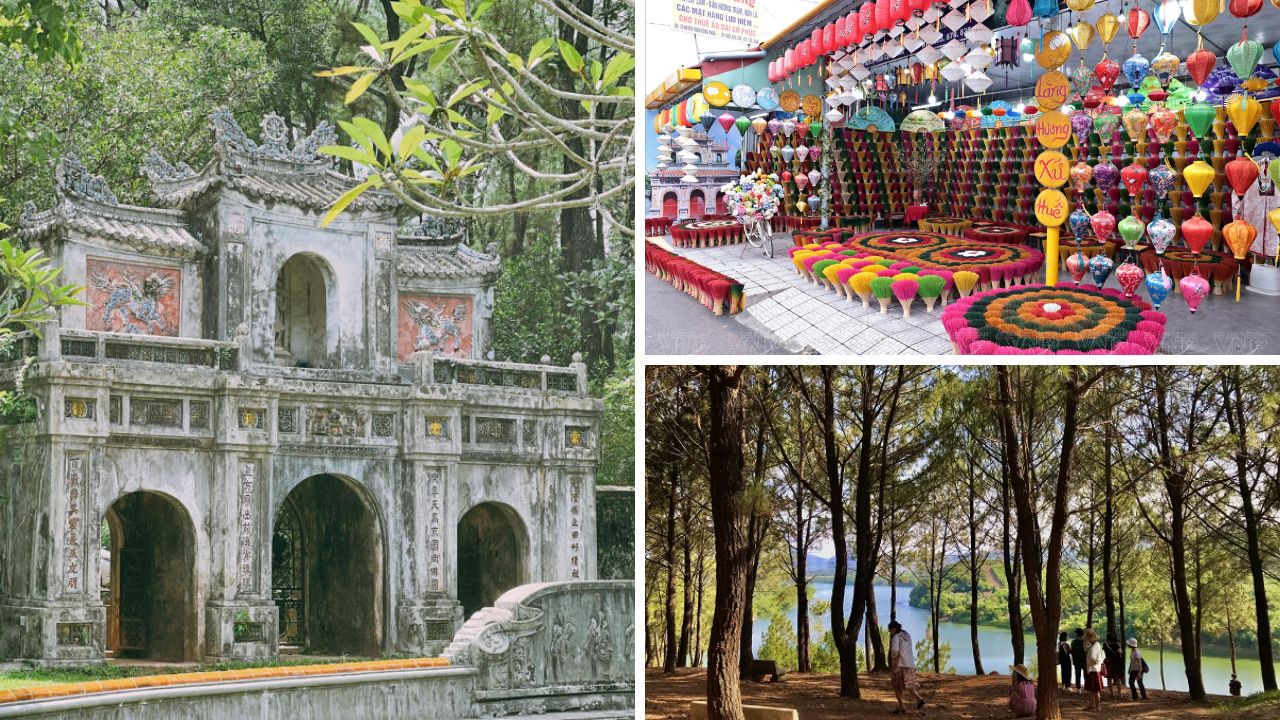
Combining your trip to the mausoleum with other historical spots in the same area is a great way to make the most of your day.
- Thuy Xuan Incense Village (1km from the tomb): Located right along Huyen Tran Cong Chua Street on the way to the tomb, this vibrant craft village catches your eye instantly with colorful bunches of incense sticks arranged like blooming flowers.
- Vong Canh Hill (2km from the tomb): A short drive past the tomb leads to this peaceful pine-covered hill offering panoramic viewpoints over the Perfume River.
- Tu Hieu Pagoda (2km from the tomb): Tucked away in a tranquil pine forest near the tomb, this ancient Buddhist monastery carries deep historical ties to the royal court.
Comparing Tu Duc Tomb with Other Nguyen Dynasty Royal Tombs in Hue
Hue boasts several famous imperial mausoleums, but each reflects a strikingly different personality and architectural philosophy.
- Tu Duc Tomb vs. Minh Mang Tomb: While Minh Mang Tomb features strict symmetry, monumental balance, and grand axial alignments, Tu Duc Tomb favors organic curves, lush pine woods, and poetic freedom.
- Tu Duc Tomb vs. Khai Dinh Tomb: Khai Dinh Tomb showcases a bold blend of modern European concrete and colorful ceramic mosaics. In contrast, Tu Duc Tomb stays true to classic Vietnamese woodwork, natural lake landscapes, and traditional royal pavilions.
If you’d rather explore all the imperial sites at once, check out this Hue royal tombs day tour for a fuller itinerary.
FAQs about Tu Duc Tomb
Why is Tu Duc Mausoleum called Khiem Mausoleum?
After a labor revolt broke out during construction in 1866, Emperor Tu Duc renamed the complex using the word “Khiem” (Modest) to express humility. Almost every building on the grounds contains this word in its title.
Can we watch traditional performances inside the ancient theater?
While Minh Khiem Theater is preserved for historical viewing, traditional royal court music performances are occasionally hosted at nearby lakeside pavilions or designated performance halls.
How much time should I spend at the site?
We recommend spending at least 1.5 to 2 hours to comfortably walk around Luu Khiem Lake, explore the palace shrines, read the stele history, and take photos without rushing.
In short, visiting this royal site gives us an unforgettable look into the artistic life, political struggles, and mystery of one of Vietnam’s most famous emperors. Pack your camera, wear comfortable walking shoes, and enjoy exploring this historic landmark!

Pingback: Mausoleum of Emperor Minh Mang: Visitor Guide