
Gia Long Tomb Guide: Essential Visitor Info and Architectural Tips
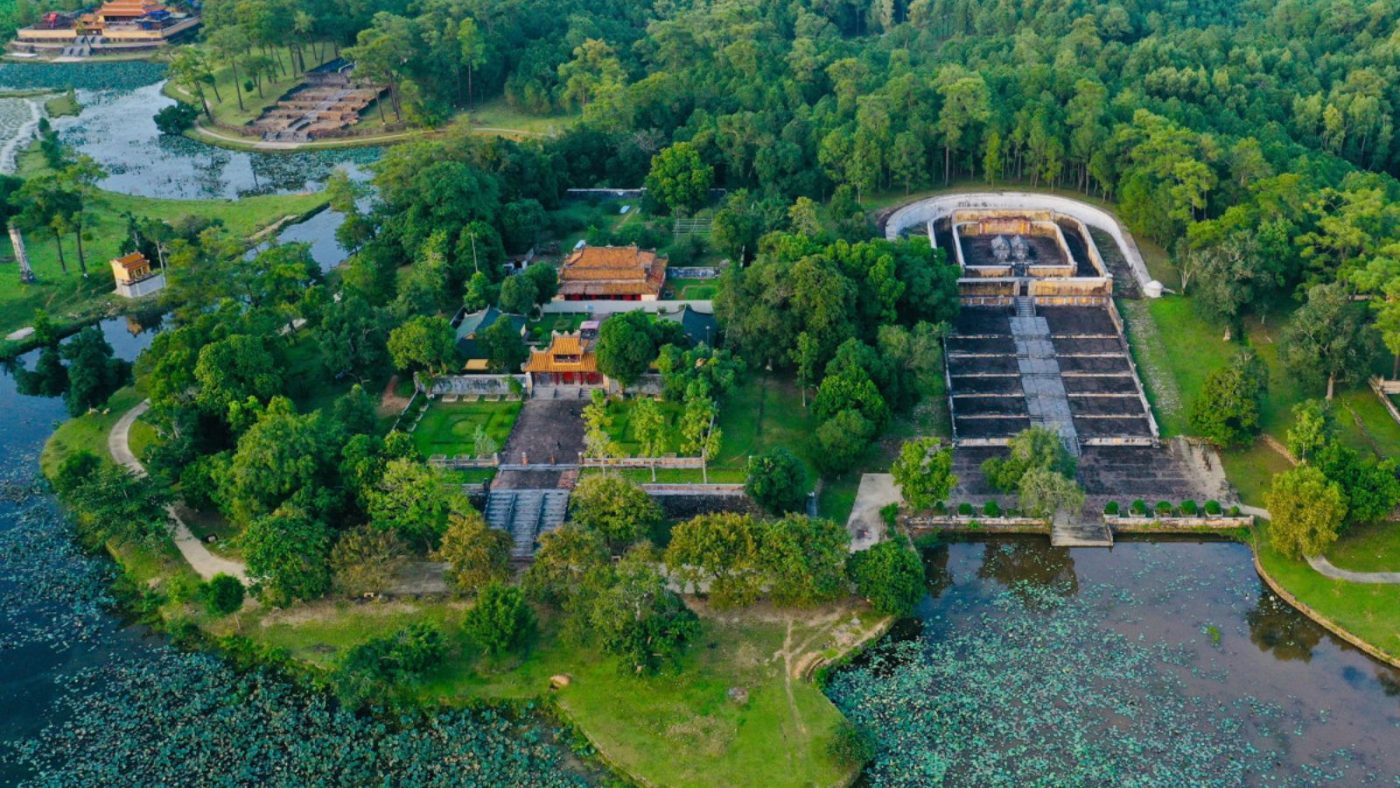
The Gia Long tomb offers a peaceful journey into Vietnamese history. Located away from city crowds, this imperial sanctuary rewards travelers with quiet paths and historic stone structures. Understanding visitor details and architectural layout helps you plan a smooth trip. Read on to discover opening times, transportation choices, and key historical zones across the complex.
Layout and Key Architectural Zones of the Thiên Thọ Mausoleum
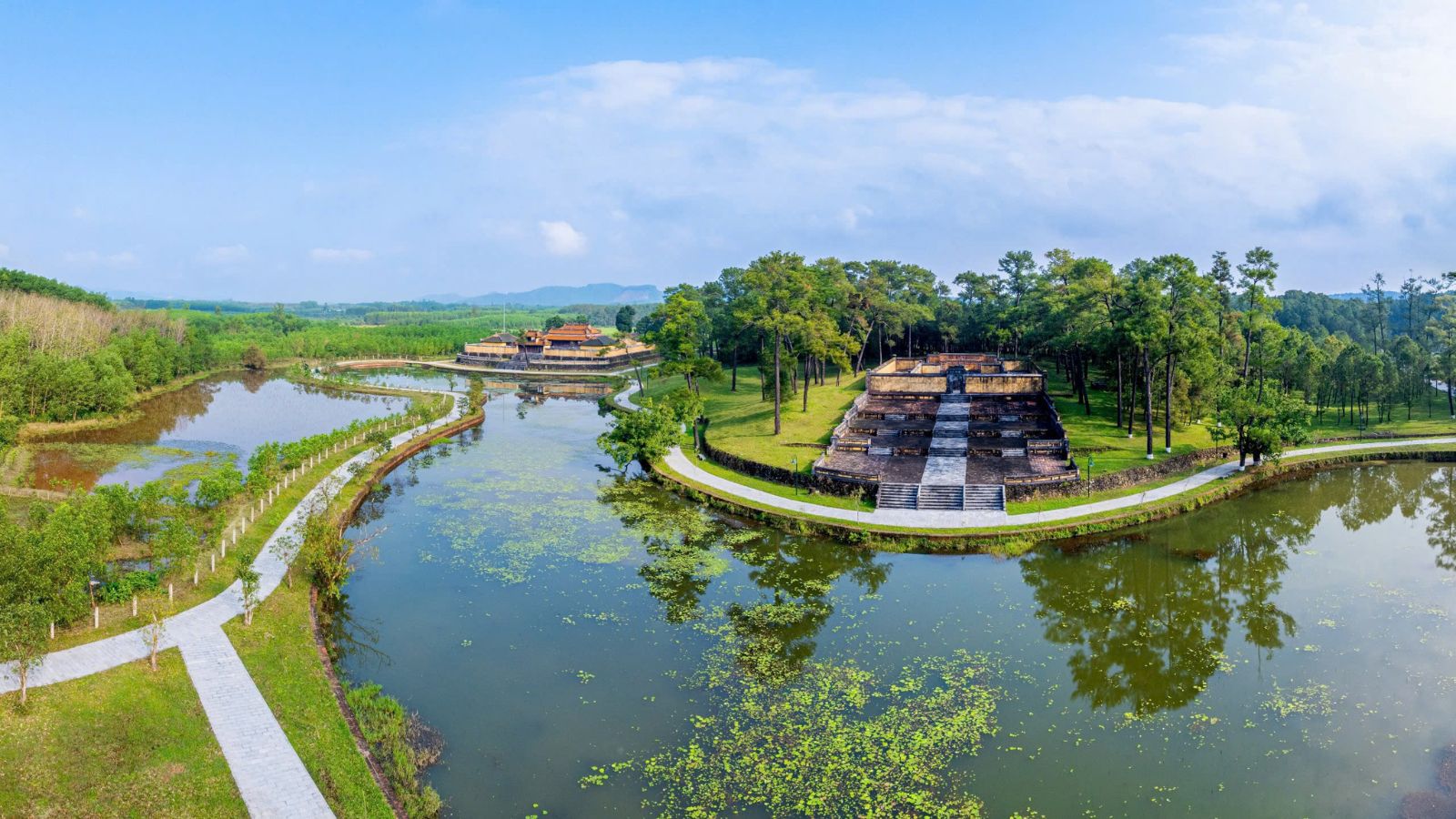
The Gia Long tomb is officially named Thiên Thọ Mausoleum. The whole site covers a huge perimeter of 11,234 meters. The complex uses a master layout divided into three main operational sections.
The central area sits on a wide hill on Thiên Thọ Mount. Here, Emperor Gia Long rests alongside his first wife. Empress Thừa Thiên shares this peaceful spot with him. Their double-grave tomb features two identical stone coffins. A massive bronze gate secures the burial site.
The right section handles traditional worship routines. The primary structure here is the Minh Thành Temple. This building honors both the emperor and his first wife. Further right lies the Thiên Thọ Hữu Tomb. This is the final resting place for Empress Thuận Thiên. Nearby, the Gia Thành Temple stands dedicated to her memory.
The left section houses an important historical monument. You will find a large stone stele inside a traditional pavilion. Emperor Minh Mạng authored a famous poem inscribed on the stone. The poem title is Thánh Đức thần công. This text commemorates the great deeds of his father.
Many members of the Nguyễn Royal Family rest across these grounds. The complex encompasses the Thoại Thánh Tomb, built for the emperor’s mother. It also includes the Hoàng Cô Tomb, reserved for his elder sister.
Feng Shui Principles and Natural Setting Across 42 Hills
Emperor Gia Long personally selected this geographic setting. The natural landscape forms an essential element of the imperial tomb design.
- Topography & Natural Protection: The entire layout incorporates 42 hills and mountains. This expansive setting covers a perimeter of 11,234 meters.
- Đại Thiên Thọ Peak: The highest mountain peak is Đại Thiên Thọ. It acts as a protective screen (tiền án) for the mausoleum.
- Harmony of Nature and Architecture: Streams, pine trees, and hill formations align with strictly calculated feng shui rules.
Historical Background: Emperor Gia Long and the Nguyễn Dynasty
Emperor Gia Long founded the Nguyễn Dynasty after unifying Vietnam. He chose Hue as his imperial capital. Construction on his mausoleum began in 1814. He personally chose the location and oversaw early building plans.
The initial project started after Empress Thừa Thiên passed away in 1814. Builders worked continuously until finishing the core structures in 1820. Emperor Minh Mạng succeeded his father shortly after. He continued adding monuments, steles, and temples to honor the royal line.
This timeline shows how dynastic duty shaped the sanctuary. The site remains a powerful symbol of royal honor.
Visitors Guide to the Mausoleum of Emperor Gia Long

Getting to the Gia Long tomb is a real adventure. The site sits in Hương Thọ Commune within the Hương Trà District. You will find it roughly 20 kilometers south of Hue city center.
Traveler Tip: Save the site location on your map offline. Mobile signals can drop in the surrounding hills.
The venue opens daily from 7:00 AM to 5:30 PM. It remains open year-round, except for select national holidays.
- Adults: 100,000 VND per ticket
- Students & Seniors: 50,000 VND per ticket
- Children under 12: Free entry
You can choose several ways to reach the site:
- Private Car or Taxi: The drive takes about 35 minutes from central Hue.
- Motorbike: A scenic ride along rural country roads.
- Bicycle Tour: A long but rewarding ride along the Hương River.
When planning your Hue itinerary, check out these top activities across Hue city for more trip inspiration. I like visiting early in the morning to beat the heat. I do not like traveling here during midday in peak summer. Try to avoid the scorching sun between May and August.
Comparing Gia Long Tomb to Other Famous Hue Mausoleums
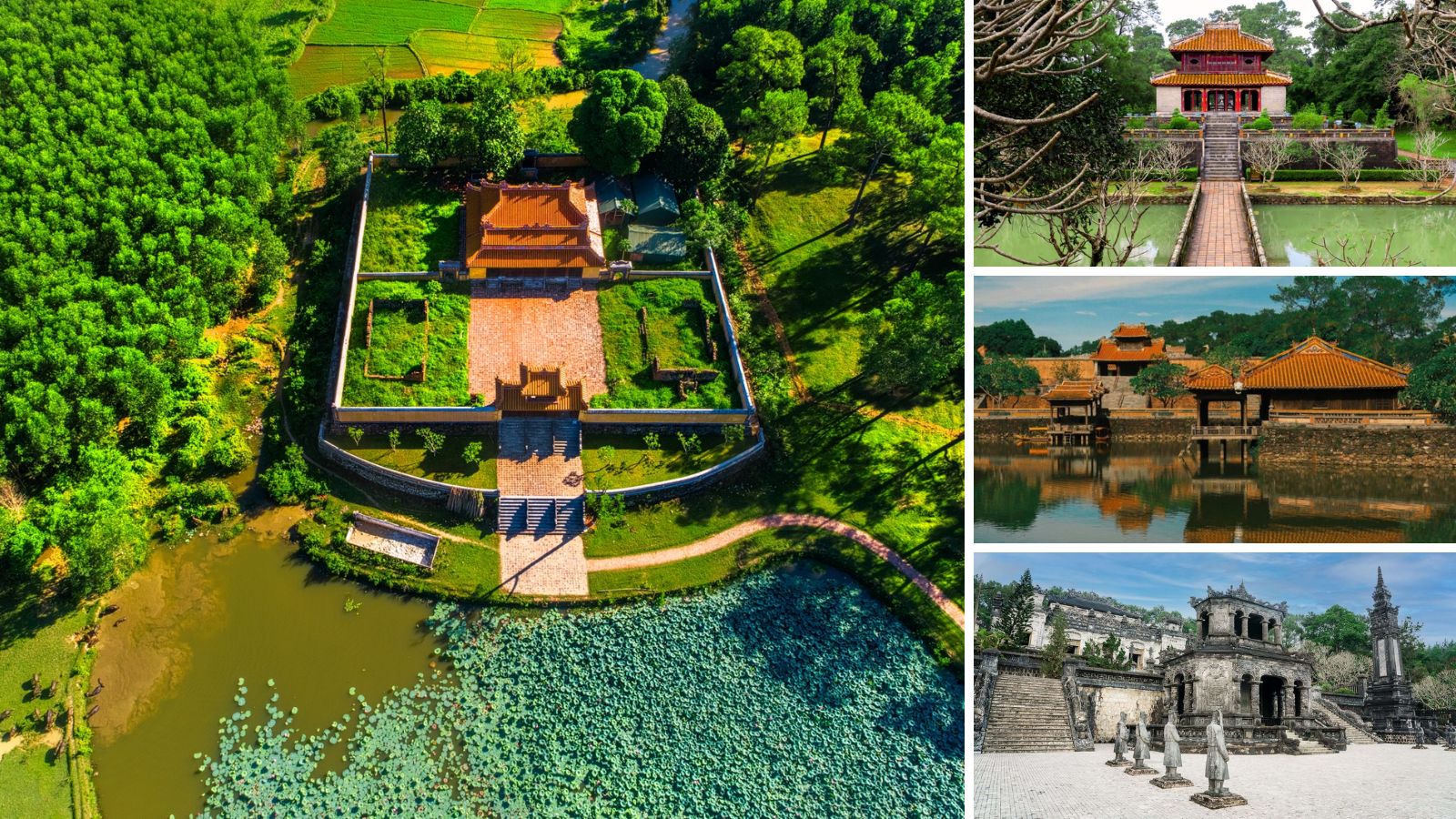
Vs Minh Mang Tomb
Minh Mang Tomb is known for its symmetry and formal garden layout. Everything feels planned and balanced. Gia Long Tomb feels more spread out and rugged. It covers hills rather than neat, structured grounds. Minh Mang suits travelers who like order. Gia Long suits those who enjoy a wilder, less polished setting.
Vs Tu Duc Tomb
Tu Duc Tomb has a peaceful lake and poetic garden feel. It was built as a retreat, not just a burial site. The tomb of Gia Long skips the garden charm and focuses on scale and history instead. Tu Duc feels romantic. Gia Long feels historic and remote.
Vs Khai Dinh Tomb
Khai Dinh Tomb feels more modern and detailed. It mixes European and Vietnamese styles with lots of concrete and mosaic work. Gia Long Tomb, on the other hand, feels older and simpler. It leans on nature more than decoration. If you like ornate details, Khai Dinh wins. If you prefer quiet, natural surroundings, Gia Long fits better.
