
Best Time to Visit Hue: Weather Guide & Monthly Travel Tips

Planning a trip to Central Vietnam often comes down to one big question: when should you pack your bags?
Finding the best time to visit Hue depends heavily on how you want to experience this historic imperial city. Hue experiences two main climate patterns throughout the year: a hot, dry season and a cold, wet season. Understanding monthly weather shifts, temperature changes, and seasonal activities ensures a comfortable trip, whether you want to tour royal tombs or relax on sunny beaches.
Weather in Hue by Season: Dry vs. Rainy Months

Hot, Dry Season (May–September)
Average temperatures sit between 27°C and 29°C, with extremes reaching 38°C to 40°C. This is Hue’s summer, tropical, humid, and intense at midday. May and June are consistently the hottest months.
Cold, Wet Season (October–March)
Average temperatures drop to 20°C to 22°C, occasionally falling below 10°C on colder nights. This half of the year is shaped heavily by rainfall, and the Hue rainy season brings the city’s most dramatic weather swings.
“Hue has its own rhythm, and each season brings a different kind of beauty.” That idea sums up why timing your trip matters so much here.
Hue Weather by Month

January to March – Cool and Green
This period is quiet, cool, and honestly kind of peaceful. The rain from winter starts to fade, and the city turns green and lush. I like this window for anyone who wants misty mornings and fewer crowds around the citadel. Temperatures usually sit in the low-to-mid 20s Celsius, comfortable enough for long walks without needing a jacket every hour.
April – The Ideal Month to Visit
If someone asks me for one single answer to “when to visit Hue,” I say April without hesitating. Temperatures hover between 25°C and 30°C, summer hasn’t fully arrived, and the city hosts its biannual Hue Festival, packed with music, poetry, and light shows along the river. It’s the sweet spot between comfortable weather and cultural energy.
May to July – Bright Sunshine and Beach Adventures
This is peak hot dry season May September territory. Average temps run 27°C to 29°C, though it can spike to a punishing 38°C to 40°C. Not a fan of that kind of heat? Neither am I, honestly. But if you love beach days, this is your window. Head to Lang Co Beach or Thuan An Beach and just cool off in the water.
August – Calm and Comfortable Weather
August feels neutral, like the city is catching its breath. The intense heat softens, the rain hasn’t started, and it’s a genuinely nice time to wander through pagodas and tombs without sweating through your shirt.
September to December – Rainy Season
This stretch belongs to the cold wet season October March, though rain often kicks in earlier in September. Expect grey skies, warm street food, and the occasional storm. It’s atmospheric, sure, but it requires planning.
Why Hue’s Climate Is Different from the Rest of Vietnam
Here’s the thing that surprises a lot of first-time visitors: Hue doesn’t follow the same weather script as the rest of the country. It sits within the Tropic of Cancer, along the North Central Coast, right in a transition zone between northern and southern climate patterns.
Nearby mountain ranges block the southwest wind in summer and trap the northeast wind in winter. That combination is exactly why the Northeastern monsoon hits Hue so hard between October and March, while cities further south stay relatively dry.
So, if you’re comparing Hue to Da Nang or Hoi An and expecting similar weather, don’t. The overall average temperature range across the year lands around 24°C to 25°C, but the swings between hot and cold months are sharper here than almost anywhere else in central Vietnam.
Best Time to Visit for the Hue Festival
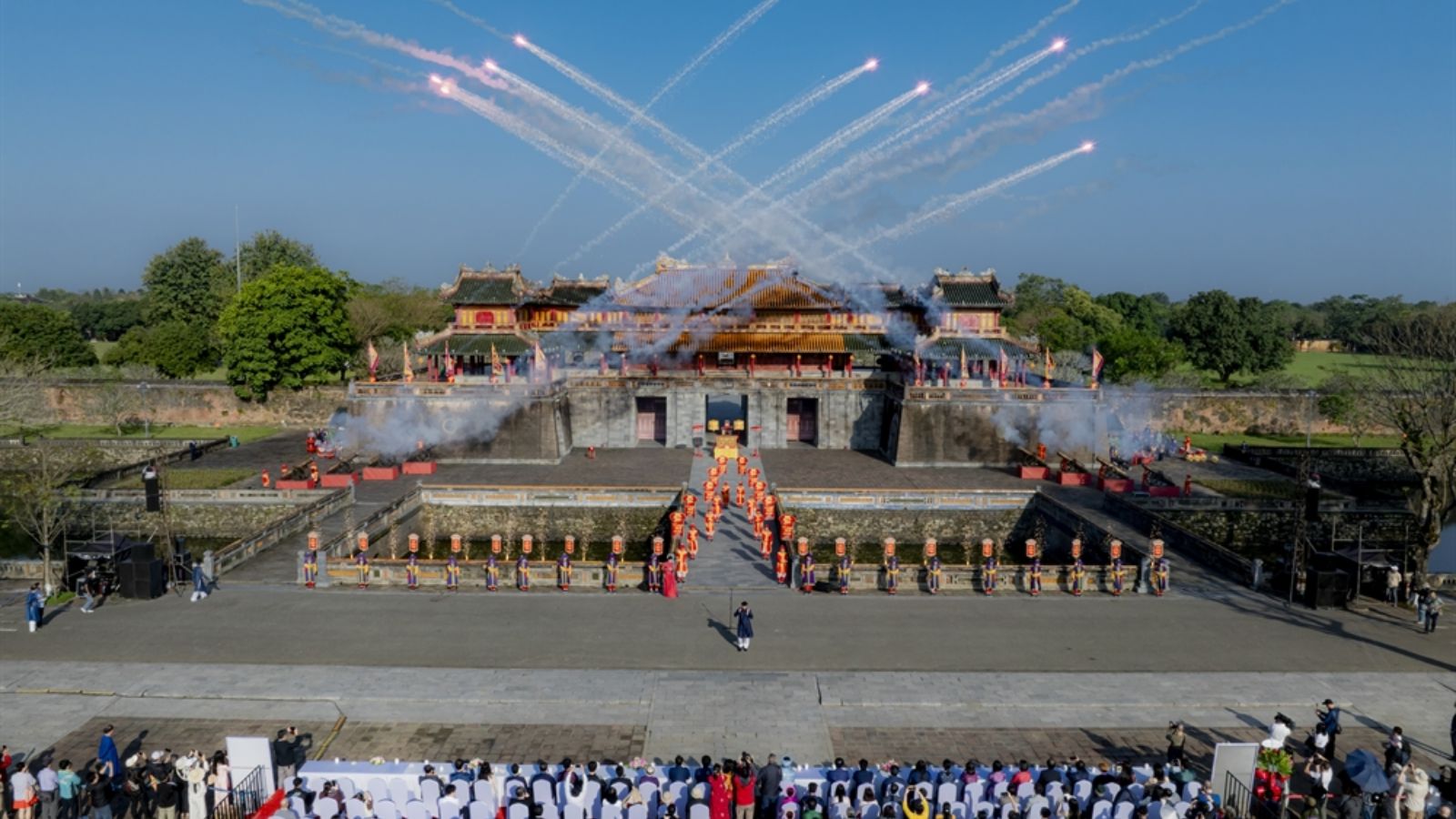
April isn’t just about pleasant weather, it’s also festival season. The Hue Festival transforms the Imperial City into an open-air stage, and events flow right along the Perfume River with light installations and traditional performances. Some editions also line up with the Lotus Festival in June, when lakes around the citadel bloom and make the whole area extra photogenic.
If cultural events matter to your trip, build your dates around this calendar. It’s genuinely one of the most rewarding times to be in the city, and locals treat it like a citywide celebration rather than just a tourist attraction.
Best Time to Visit Hue’s Beaches
For beach lovers, May through July is the clear answer. Lang Co Beach and Thuan An Beach both come alive during these months, and Lap An Lagoon offers a calmer alternative if you want scenery over crowds. I like this stretch for sun-kissed photos, though I’ll be upfront: the heat can be brutal by early afternoon.
Sample itinerary for a hot-season beach day:
- Morning swim at Lang Co Beach before the sun gets intense
- Lunch break in the shade with fresh seafood
- Afternoon drive to Lap An Lagoon for photos
- Evening return to the city as temperatures cool
Avoid the September to December window for beach plans. The water turns murky, visibility drops, and honestly it’s just not worth it.
Best Time to Visit Temples and Royal Tombs
August is my pick for temple and tomb visits, and it’s not close. The heat has eased, the rain hasn’t started, and sites like Thien Mu Pagoda, Tu Duc Tomb, and Minh Mang Tomb feel calm rather than crowded or soaked. Early spring months work too, since the cooler air makes walking between sites more comfortable.
If you’re mapping out a full day around the citadel, it helps to pair temple visits with other cultural stops nearby. For a broader itinerary, you can browse this guide to Hue’s top attractions and experiences, which lays out a solid mix of historical sites, food stops, and river activities beyond just the tombs. If you prefer to cover the main heritage sites with a guide and private transport, see our Hue City Private Tour.
Rainy Season Risks: Storms and Flooding

This part matters, so don’t skip it. Hue’s rainy season, especially from September to December, can bring more than light drizzle.
In fact, Hue experienced a historic flood lasting nearly two weeks from late October to early November 2025, disrupting transport and closing several attractions across the city. That’s not meant to scare anyone off traveling during this window, but it’s a reason to plan carefully.
Practical steps if you’re traveling during this period:
- Check local weather forecasts daily, not just before you book
- Keep travel dates flexible where possible
- Have backup indoor plans for rainy days, like markets or cooking classes
- Confirm transport schedules in advance, since flooding can delay buses and trains
What to Pack and Wear for Each Season
Packing changes a lot depending on which half of the year you’re visiting.
For the hot, dry season:
- Breathable, lightweight clothing
- Wide-brimmed hat and sunglasses
- High-SPF sunscreen
- Refillable water bottle
For the cold, wet season:
- Waterproof raincoat, not just an umbrella
- Waterproof shoes or sandals
- A backpack rain cover
- A light jacket for cooler evenings and mornings
If you’re packing for an April trip, bring a light rain jacket just in case, but lean more toward breathable clothing since temperatures typically stay in a comfortable 25°C to 30°C range.
Tips for Getting to Hue and Planning Around the Weather
Getting to Hue is straightforward. Fly into Phu Bai International Airport, just 15 kilometers from downtown, or take the train from Da Nang for coastal views along Hai Van Pass. Buses also run daily from Hoi An and Da Nang if you’re on a tighter budget.
Whichever route you choose, timing your arrival around the weather season makes the whole trip smoother. According to general climate data from sources, central Vietnam’s weather patterns shift noticeably by month, which lines up with everything covered above. Booking transport a few days ahead during the wet season also gives you flexibility if storms cause delays.
Ready to lock in your dates? Once you’ve picked your season, whether it’s April for festivals, summer for beaches, or August for temples, you’re set up for a trip that actually matches the weather instead of fighting against it. If you want to cover the Imperial City, Thien Mu Pagoda and the main royal tombs in one day, see our Hue City Private Tour.
