
Things to Do in Hoi An: Attractions, Food, Beaches & Markets
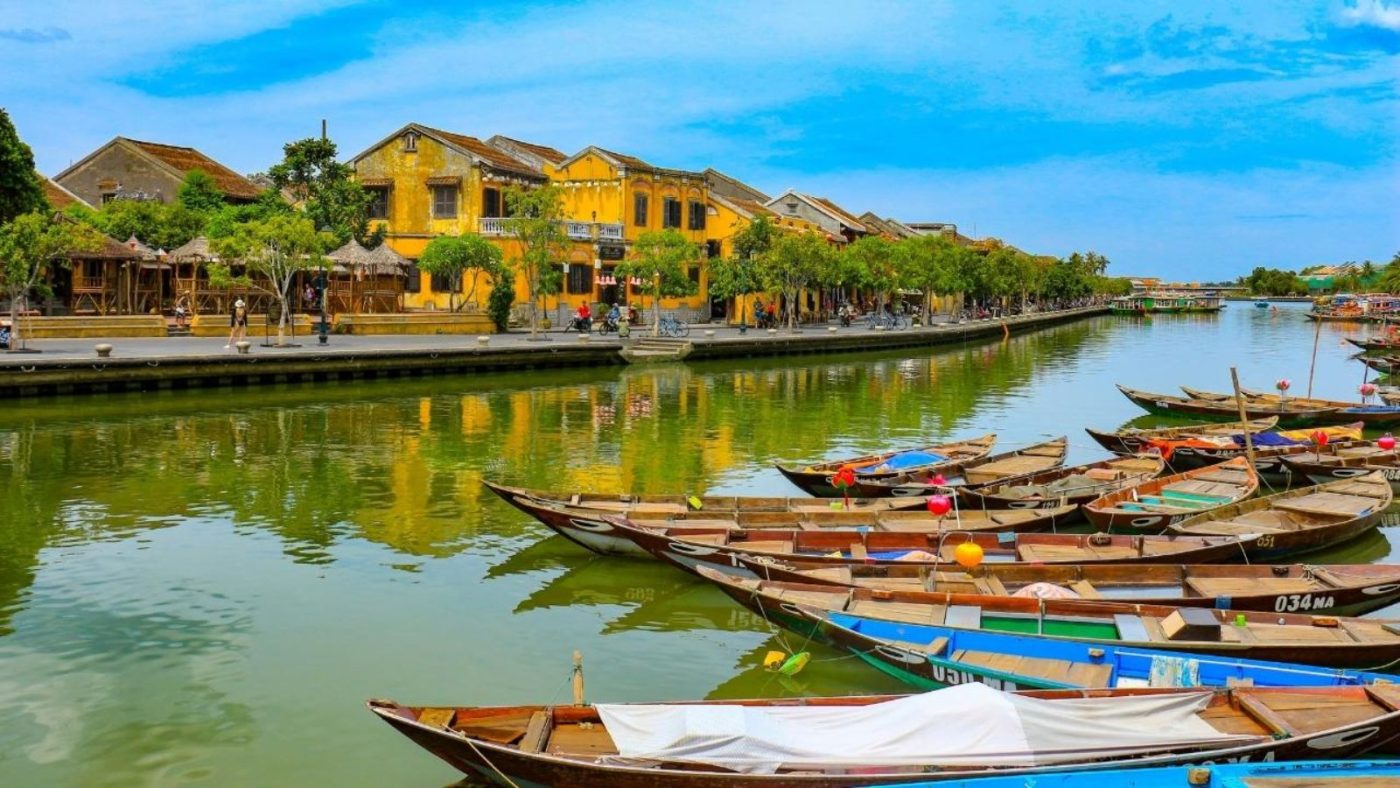
Hoi An is an ancient Southeast Asian trading port active from the fifteenth to the nineteenth century. Walking through this charming destination reveals a unique blend of indigenous and foreign architectural influences. Visitors often wonder about the most memorable things to do in Hoi An during their stay. Let us explore the top historical attractions and iconic landmarks in Hoi An Ancient Town.
Must-See Historical Landmarks in Hoi An Ancient Town
Japanese Covered Bridge
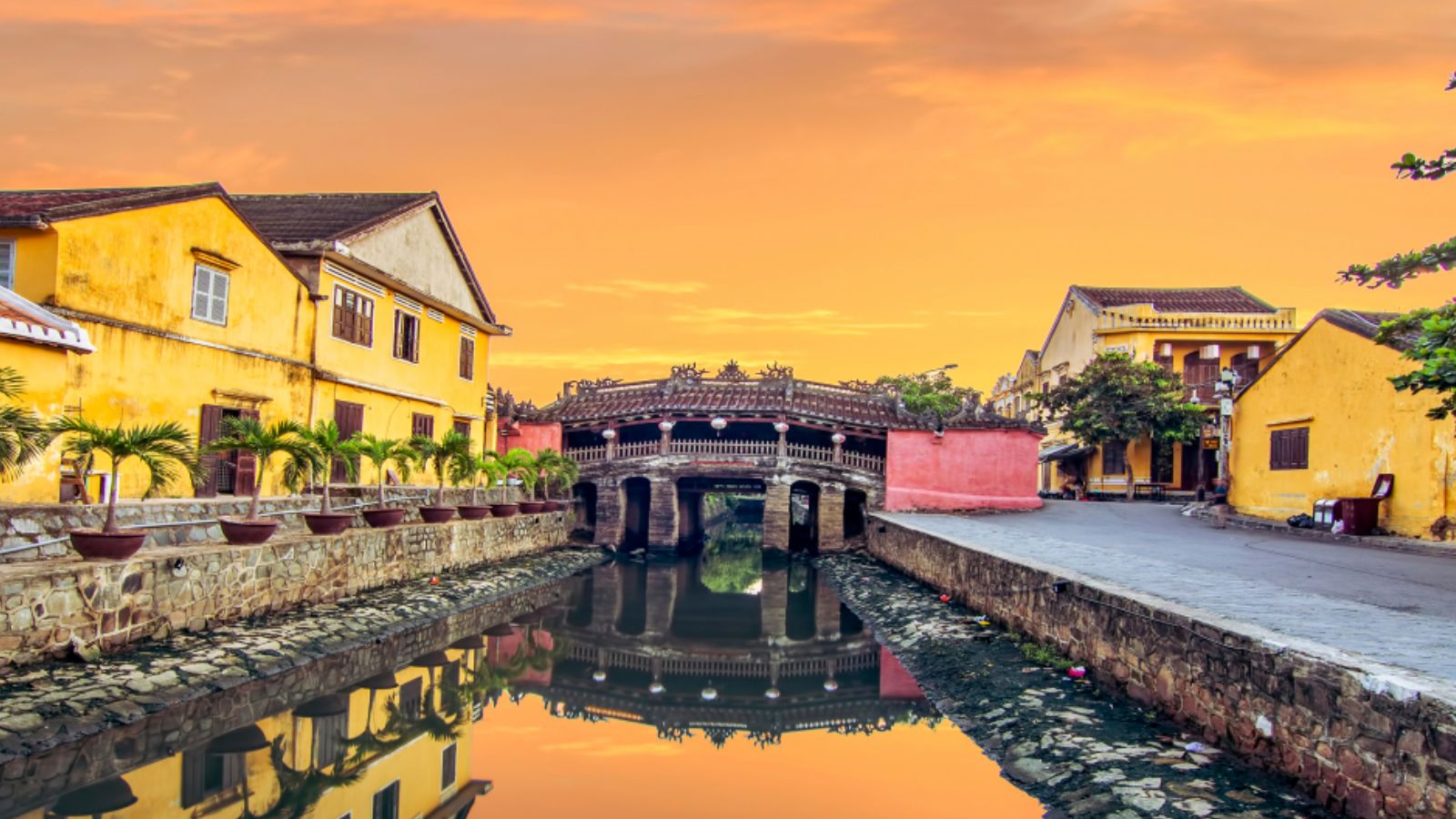
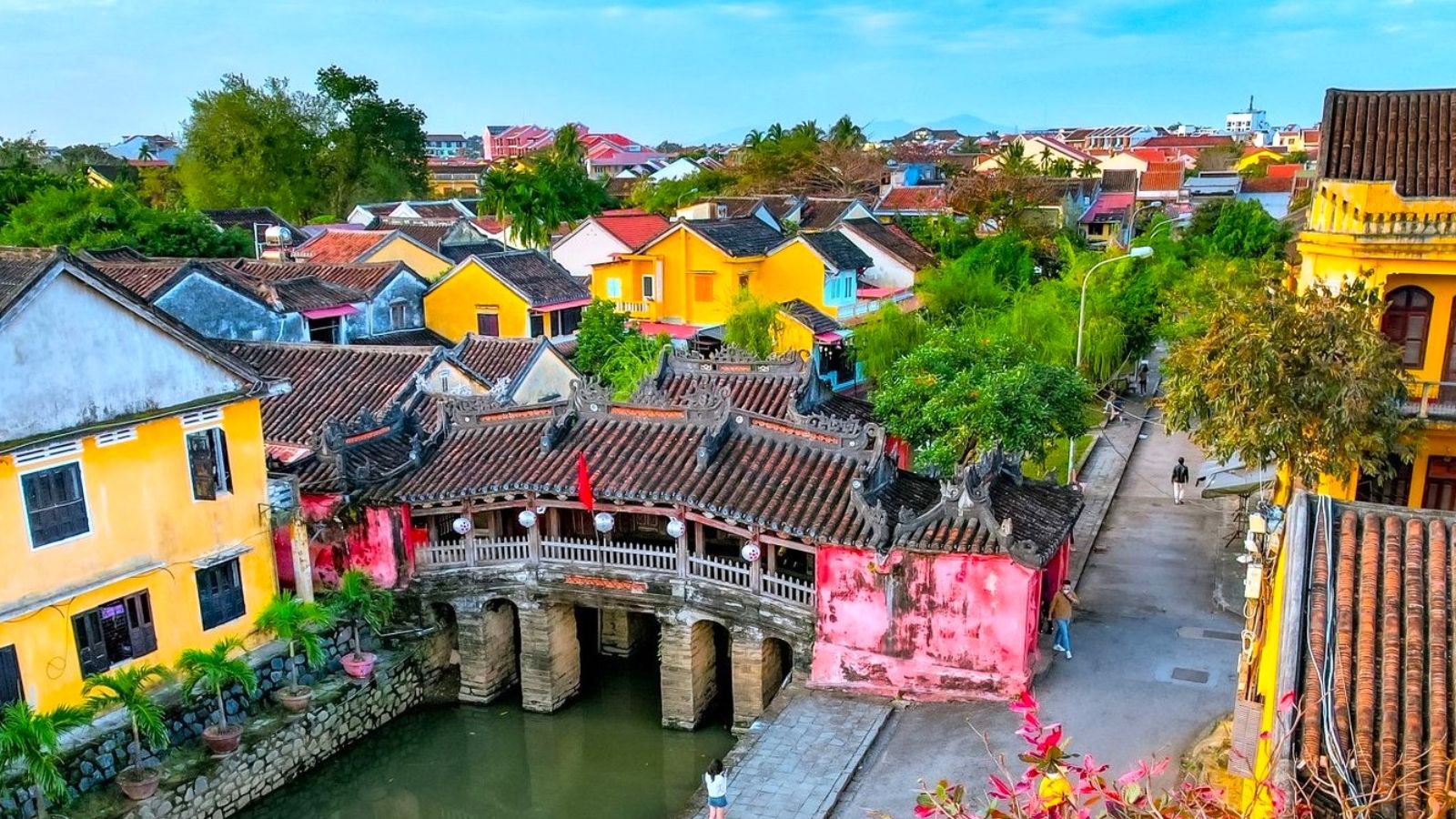
The Japanese Covered Bridge stands as one of Hoi An’s most photographed landmarks. Built in the 18th century, it stretches about 60 feet across a small canal. Two dog statues and two monkey statues guard each end. Locals say these animals represent the years certain Japanese emperors were born.
The bridge sits at the west end of Tran Phu Street, painted in warm red tones with a wooden pagoda roof. I like crossing it early morning, before the crowds arrive.
Tan Ky Family House

Located at 101 Nguyen Thai Hoc Street, Tan Ky Family House has stood for nearly 200 years. It blends Vietnamese, Japanese, and Chinese architectural styles into one home. Wood, brick, and stone materials came from different provinces across Vietnam.
This house once welcomed international leaders, which says a lot about its cultural weight. Walking through feels like stepping into an 18th-century merchant’s daily life.
Phung Hung Old House

Just steps from the Japanese Covered Bridge sits Phung Hung Old House. Its Yin-Yang style roof uses traditional convex designs throughout. The ground floor follows Japanese architecture, while the upper floor shows Chinese influence. Eight generations have called this house home. That kind of continuity is rare, even in a town built on preservation.
Quan Cong Temple
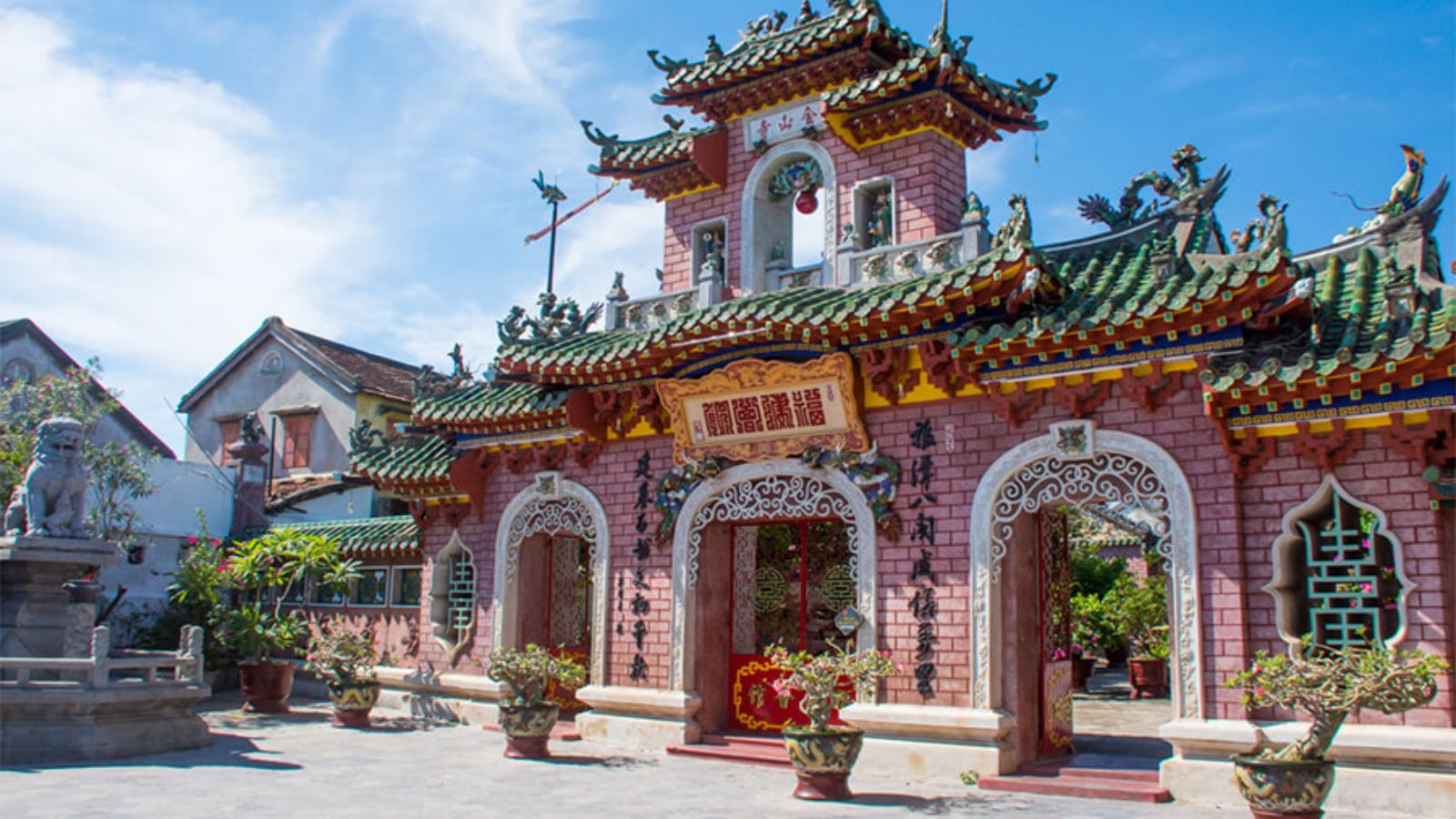
Named after an ancient Chinese general, Quan Cong Temple dazzles with red, gold, and green colors. Brick walls surround the structure, while wooden pillars support the roof. The slat roofing pattern shows impressive craftsmanship up close. Visitors often pause here just to admire the details.
Fujian Assembly Hall
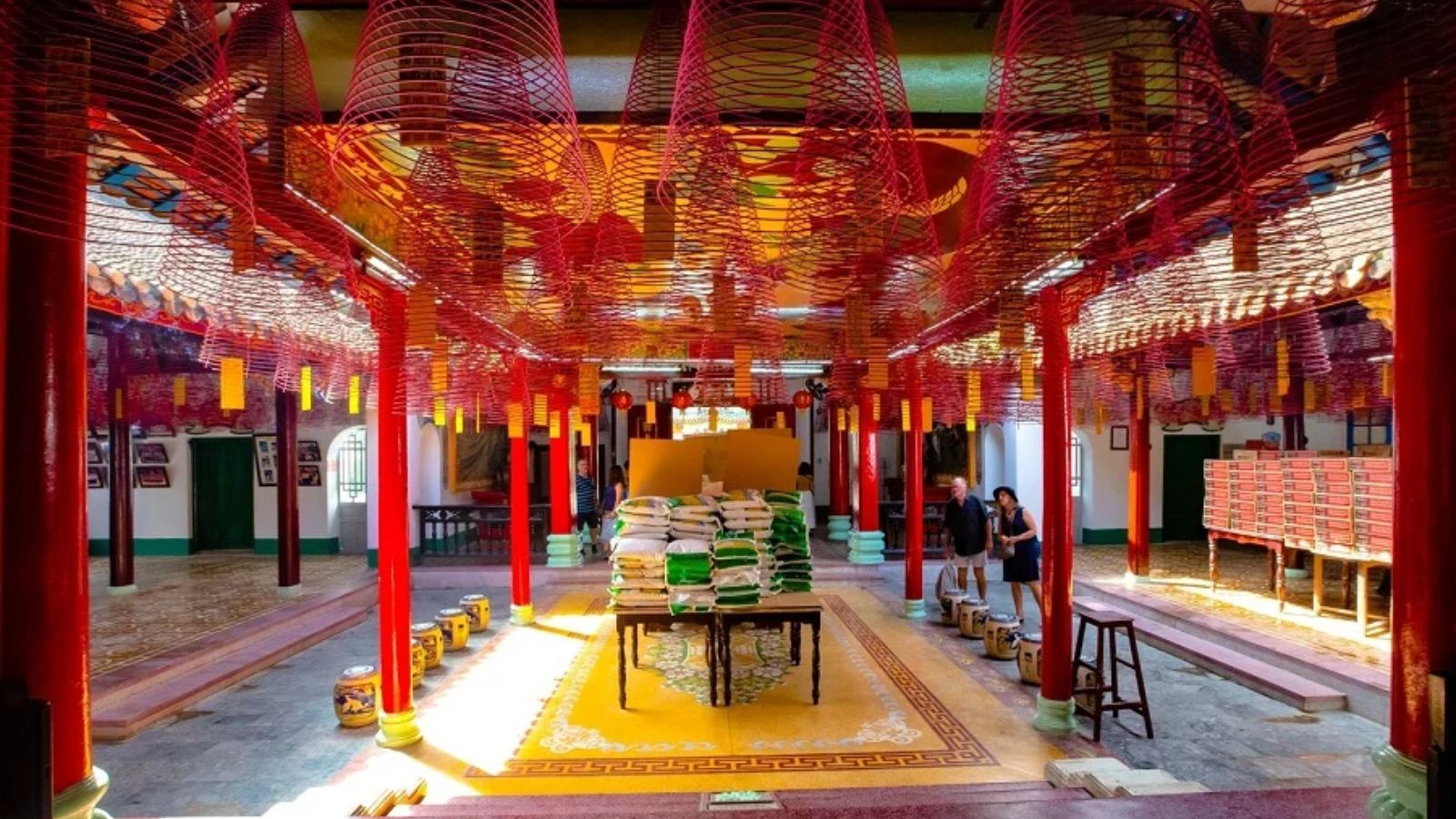
The Fujian Assembly Hall honors Chinese merchants who once traded in Hoi An. Inside, Thien Hau Temple pays tribute to the goddess of the sea. For the fullest experience, try visiting during a Chinese festival. The energy multiplies, and the artwork feels even more alive.
Best Food and Dishes to Try in Hoi An

Cao Lau
Cao Lau is Hoi An’s signature dish, and honestly, it’s unlike anything else. Yellow noodles, shrimp, pork, and raw vegetables come together in one bowl. The noodles get their color from cajuput firewood ash, sourced from Cu Lao Cham. Street vendors call out “Cao lau! Cao lau!” to draw hungry visitors in. I never skip this dish when I’m in town.
Banh Mi Hoi An
Search “best banh mi in the world,” and Hoi An’s version often tops the list. Banh Mi Hoi An combines pork floss, grilled pork, pork liver pâté, and handmade mayonnaise. Add pickled papaya and cucumber, and you get a perfect crunch-to-soft ratio. It’s crispy outside, soft inside, and impossible to replicate elsewhere.
Coffee Culture and Local Cafés
Late morning calls for a coffee break in Hoi An. Many cafés roast their own single-origin beans locally. Ask the staff about their brewing process; they love sharing it. Try coffee brewed through a traditional stainless steel filter called “phin.” It’s slow, but worth every minute.
Beaches and Outdoor Activities Near Hoi An
Bay Mau Coconut Forest
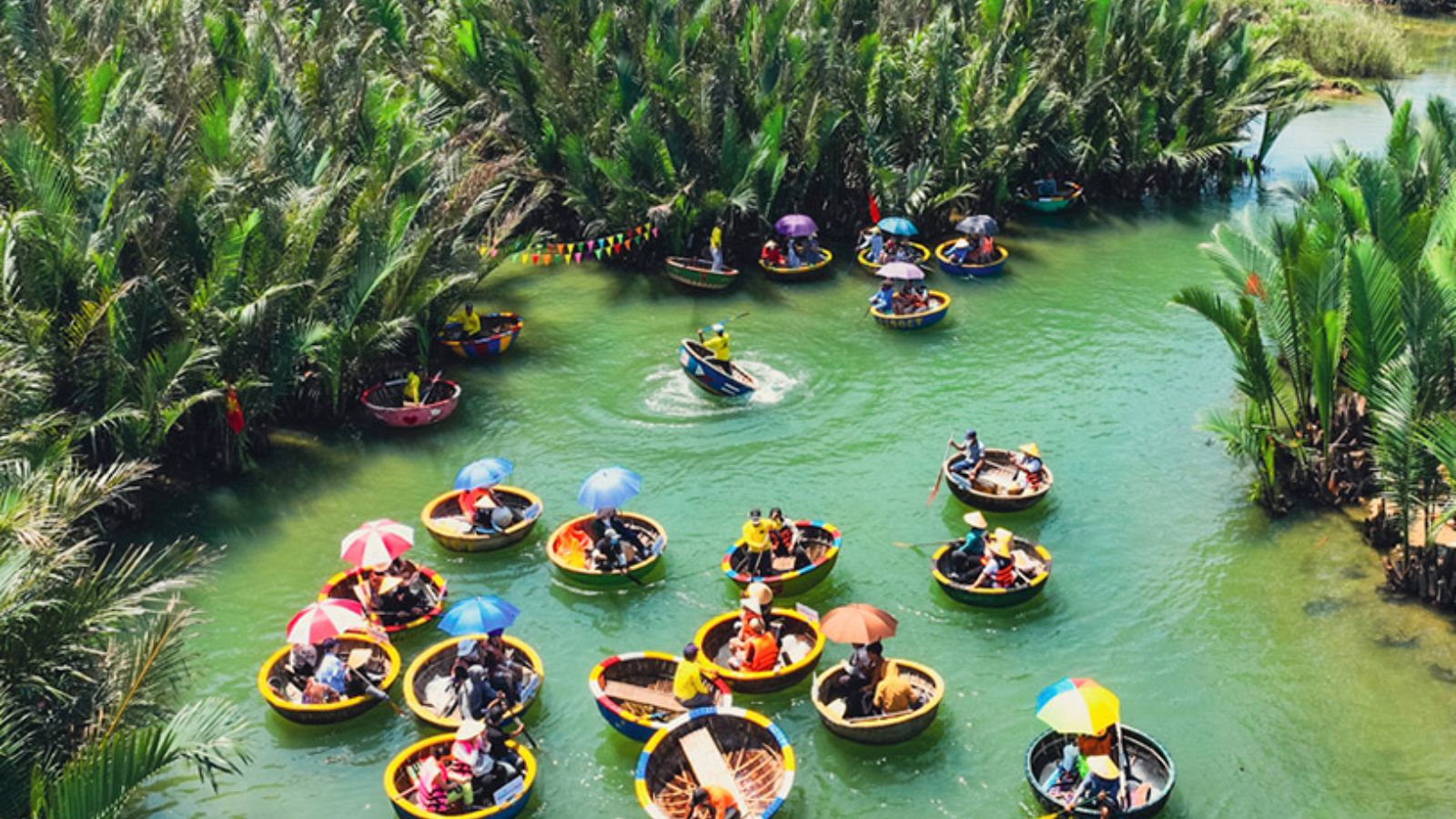
Tucked inside Cam Thanh Village, Bay Mau Coconut Forest ranks among the most fun things to do in Hoi An. A local rows you through narrow water channels in a round bamboo basket boat. Green coconut palms line both sides of the water. The ride starts off gentle and quiet. Then, without warning, the boatman starts spinning the basket in circles.
Laughter usually follows right after. Not like a slow river cruise, this ride brings energy and surprise in equal measure. If you like a bit of adventure mixed into your sightseeing, don’t skip this one.
An Bang Beach

Just 3 kilometers east of town, An Bang Beach has earned major recognition. TripAdvisor readers voted it one of Asia’s most beautiful beaches for four years running. White sand here remains untouched by heavy tourism development. May through September brings the best conditions for swimming and sunbathing.
Cua Dai Beach
About 4 kilometers from the town center, Cua Dai Beach offers golden sand and palm trees. Turquoise water makes it ideal for a relaxing afternoon. Summer months bring the biggest crowds, so plan accordingly if quiet time matters to you.
Boat Trip on the Thu Bon River
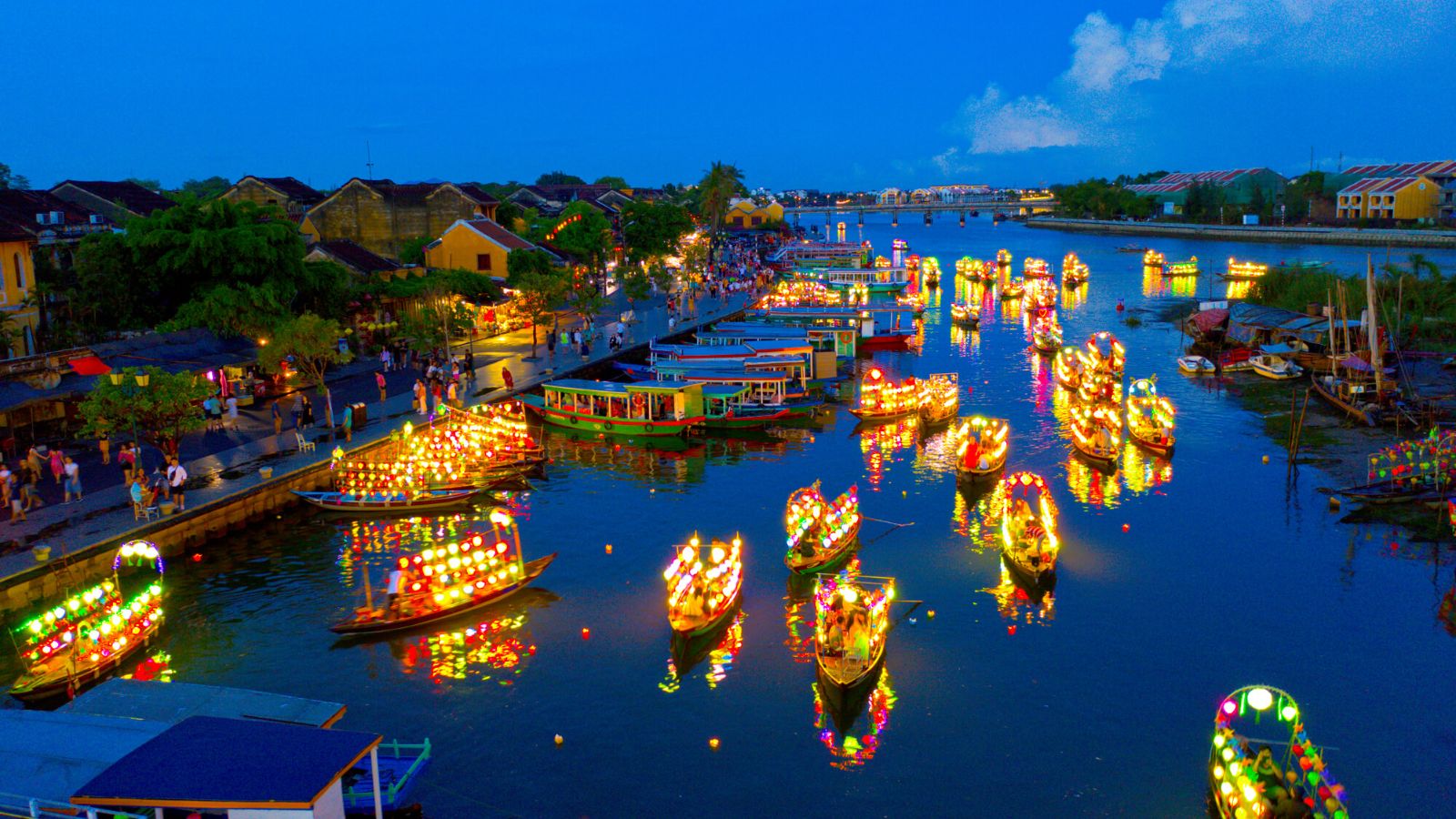
A boat trip along the Thu Bon River usually lasts one to two hours. Travelers sit in a coracle, rowed by a local guide through small canals. Don’t worry if you can’t row; they’ll happily show you how. This trip offers a different angle on Hoi An’s daily rhythm.
Cycling Around the Ancient Town
Hoi An rewards those who explore on two wheels. Cam Kim Island and Tra Que Vegetable Village make excellent cycling routes. A short ride into the countryside reveals traditional Vietnamese village life up close.
Scuba Diving at Cu Lao Cham Island

Located 21 kilometers from Hoi An old town, Cu Lao Cham Island offers rich marine life. Hundreds of coral species and tropical fish live in these warm waters. Day trips here combine diving with other cultural activities nearby.
Here’s the added content, rewritten in a natural travel-blog style — not copied word for word.
Best Day Trips from Hoi An
Explore My Son Sanctuary

Deep in a rainforest lies My Son Sanctuary, once the political capital of the Champa Kingdom. Locals sometimes call it Vietnam’s version of Angkor Wat. It’s not quite as grand as Cambodia’s temples, but it’s still remarkable. Fired brick, sandstone bas-reliefs, and stone pillars make up its structure. Motorbike, taxi, or organized tours all get you there easily.
Visit Marble Mountains

Twenty kilometers north of Hoi An sit five limestone hills known as Marble Mountains. Each hill represents one of five elements: metal, wood, water, fire, and earth. Tunnels and cave entrances wind through the mountains. Climbing Thuy Son, visiting Tam Thai Pagoda, and abseiling into cave palaces are popular activities here.
Shopping and Markets in Hoi An
Hoi An Night Market
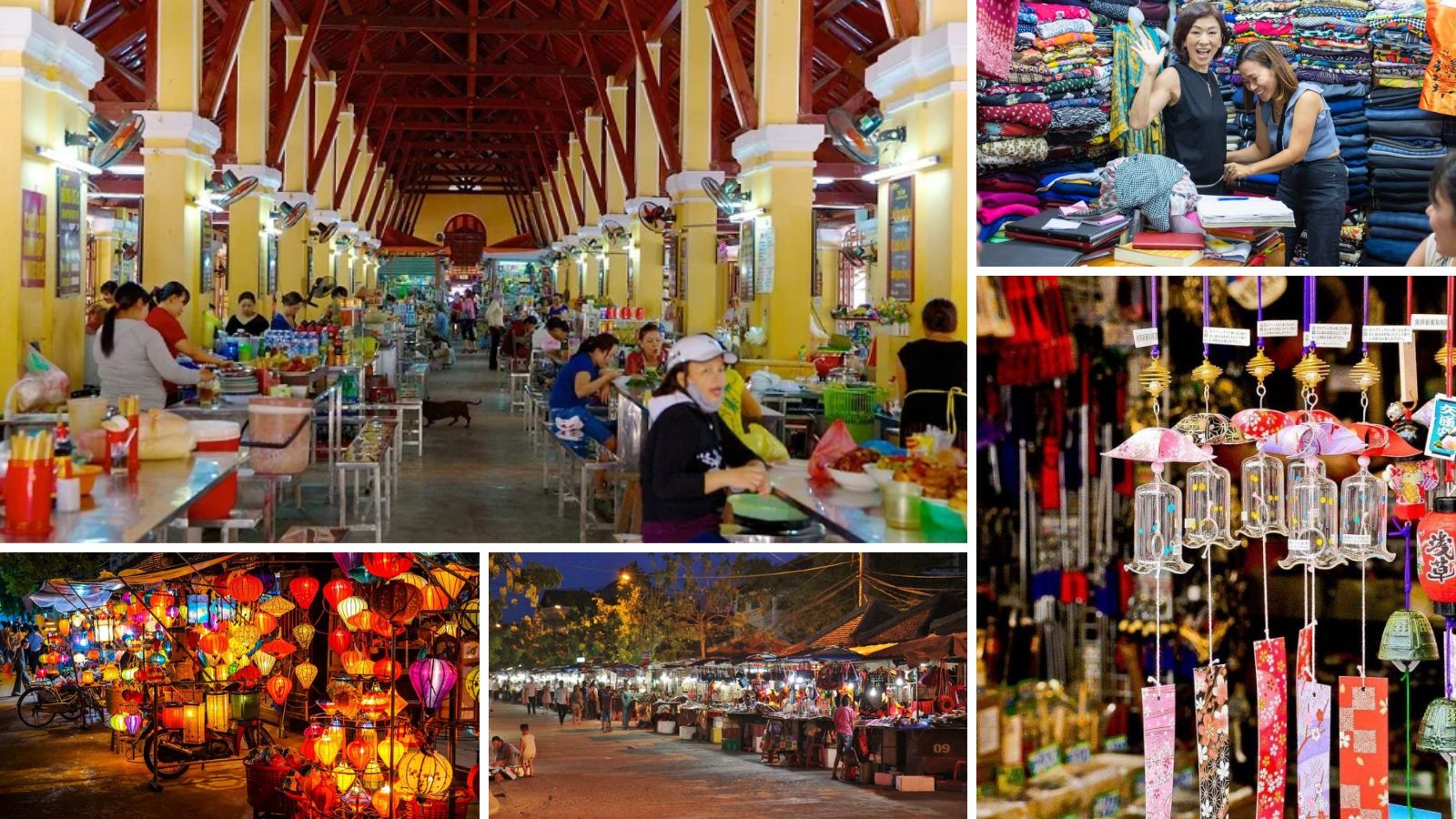
The Hoi An Night Market stays loud well into the evening. Restaurants, bars, and lantern stalls line the streets here. Colorful lights reflect off the river, creating a magical atmosphere.
Central Market
As the largest market in town, Central Market never really slows down. Crowded streets surround it throughout the day. Fruits, vegetables, seafood, and meat fill every stall.
Hoi An Lantern Market
Across the river sits the Hoi An Lantern Market, home to roughly five stalls. Nighttime brings out the true beauty of glowing lanterns. Fair warning: you’ll need patience to snap a good photo here.
Ordering a Tailor-Made Suit
Hoi An’s tailoring history dates back to the old silk trade routes. Always agree on pricing before your first fitting. The process typically takes one to two days, including adjustments.
Buying Local Handicrafts
Silk lanterns, pottery, and leather goods make excellent souvenirs. Street vendors sell most of these items at reasonable prices. Bargaining is expected, so don’t be shy about it.
Unique Local Experiences and Culture

Joining a Cooking Class
Cooking classes usually begin with a morning market visit. From there, you’ll head to a small kitchen to learn traditional recipes. Afterward, enjoy your own dishes with a river view. This hands-on local culinary immersion experience ranks among the most memorable things to do here.
Visiting Hoi An Silk Village
Surrounded by lotus ponds and mulberry gardens, Hoi An Silk Village feels peaceful. Artisans here still weave silk using ancient looms. Visitors can feel raw silk threads and learn to spot the difference from fake silk.
How to Get to Hoi An
Getting to Hoi An
Getting here is easier than most travelers expect. Hoi An sits in what used to be Quang Nam Province, now part of Da Nang City. It’s roughly 30 km from Da Nang Airport and about 135 km from Hue. Cars, shuttle buses, and motorbikes all make the trip without much hassle.
Whether you’re in anywhere in central Vietnam, Rento Travel does offer private cars to take you to Hoi An safely:
- Private car service from Hue to Hoi An
- Get to Hoi An from Phong Nha National Park
- From Da Nang to Hoi An private transfer
Getting Around the Old Town
Once you’ve arrived, walking or biking works best. The Ancient Town stays pedestrian-only, so bikes need to park outside the walking area. Many hotels hand out free bicycles, which makes exploring at your own pace even easier.
Nearby Destinations Worth Visiting
Hoi An’s location makes it a great base for short trips outside town.
- Da Nang – Spend time on wide beaches, relax in modern cafes, or visit the striking Golden Bridge at Ba Na Hills.
- Hue – Walk through the historic Imperial Citadel and take a boat ride along the Perfume River. You can also book a private car from Hoi An to Hue or join a Hue day trip from Da Nang/Hoi An.
Each spot adds a slightly different layer to Vietnam’s culture and history.
Tips for Planning Your Hoi An Trip
Best Time to Visit
April through September brings the driest, sunniest weather. Beach days shine during these months, especially at An Bang Beach and Cua Dai. Skies stay mostly clear, and rain rarely interrupts plans. That said, summer heat can get intense by midday. Mornings and late afternoons work best for walking around then.
Prefer cooler temperatures? December through March fits better. Days feel milder, and the crowds thin out slightly. This stretch also avoids the heaviest rains, which usually hit between October and November. If storms or flooding concern you, it’s smart to skip that window altogether.
Some travelers also time their visit around the Hoi An Lantern Festival, held monthly during the full moon. Streets go quiet, lights dim, and lanterns take over the town’s glow. It’s not like a regular evening stroll. The whole atmosphere shifts into something quieter and more magical.
How Many Days You Need
Three to four days usually covers the essentials. That’s enough time to explore the ancient town, relax at the beach, and fit in one day trip. Most visitors pair this with a trip to My Son Sanctuary or Marble Mountain.
Want a slower pace? Five to seven days works better. This gives room for a cooking class, a boat ride at Bay Mau Coconut Forest, and maybe a tailor fitting too. Suits and dresses often take a day or two to finish, so extra time helps avoid rushing.
Traveling with kids or elderly family members? Consider adding one buffer day. Hoi An’s heat and walking-heavy layout can tire people out faster than expected. A relaxed schedule keeps the trip enjoyable rather than exhausting.
In short, shorter trips still work, but longer stays let the town’s charm sink in properly.
