

Attractions
Tam Giang Lagoon Hue: A Hidden Gem Worth the Detour
Aug
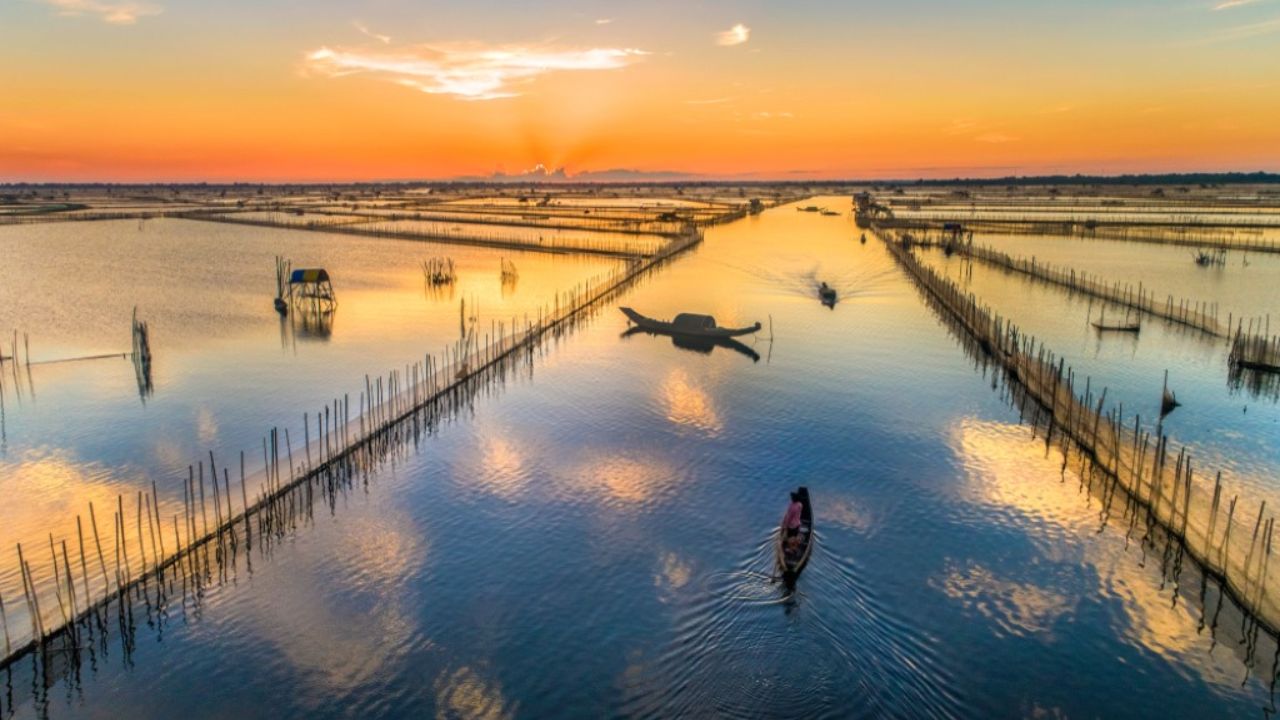
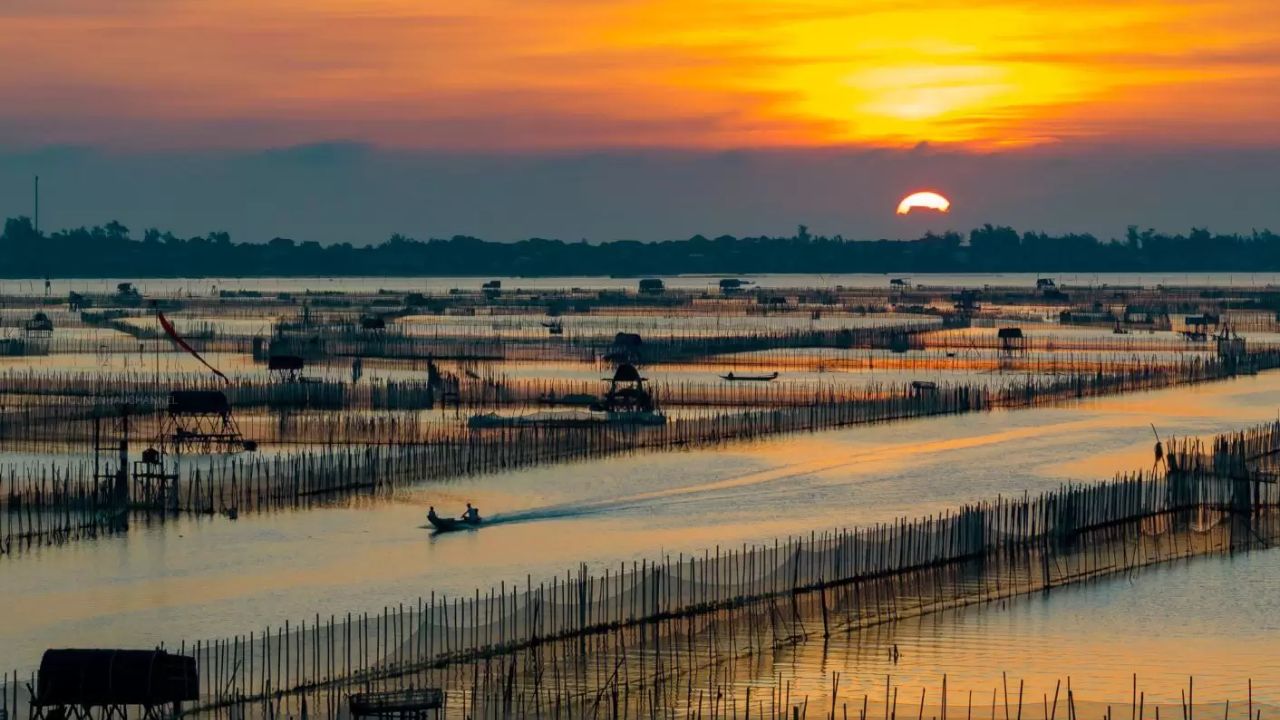
Imagine floating on water so smooth it looks like a gigantic mirror, right as the afternoon sky turns brilliant shade of orange and gold. While most visitors in Hue stick to ancient tombs and quiet citadel walls, just thirty minutes away sits a peaceful water world that feels miles away from crowds.
Welcome to Tam Giang Lagoon—Southeast Asia’s largest brackish lagoon—where quiet wooden boats, fresh seafood straight off the trap, and magical sunsets create a side of Central Vietnam few ever forget.
Tam Giang Lagoon Overview and Name Origin
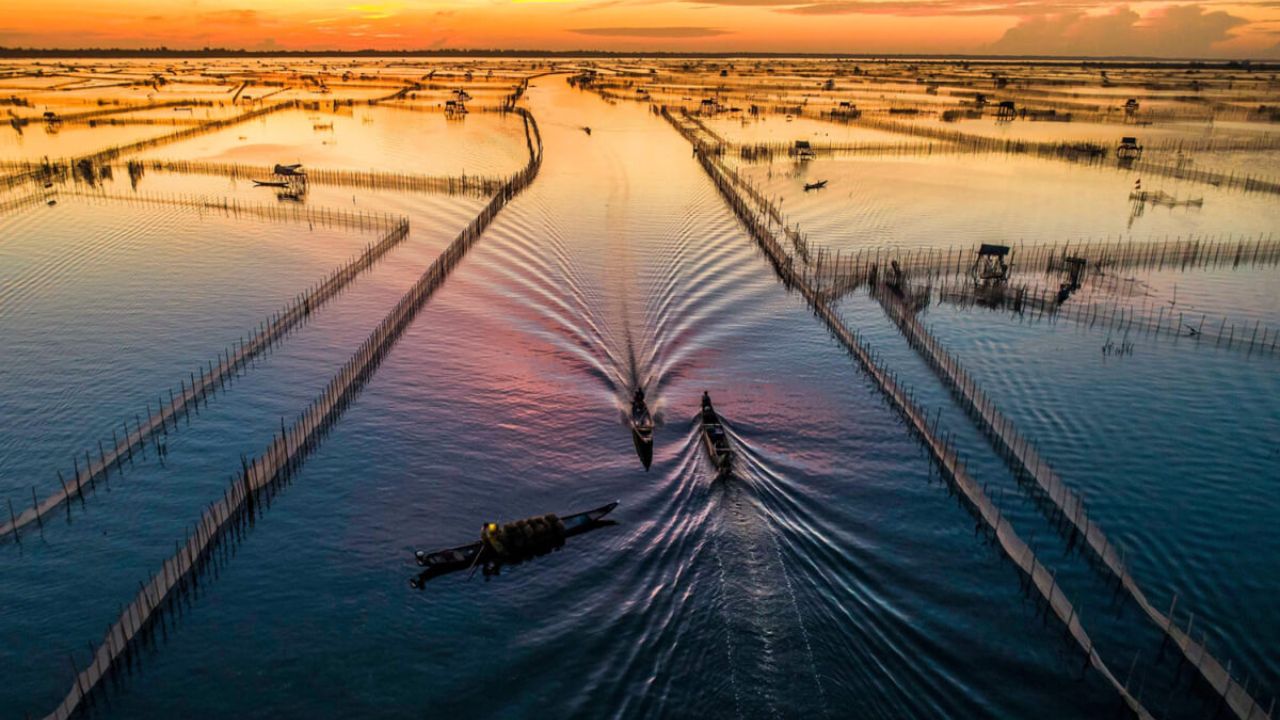
Tam Giang Lagoon stretches across Hue City and surrounding districts, including Phong Dien, Quang Dien, Huong Tra, and Phu Vang. As part of the massive Tam Giang – Cau Hai system, this 24-kilometer-long lagoon is fed by three main rivers: the O Lau, the Huong (Perfume River), and the Bo.
These freshwater rivers mix with seawater coming through the Thuan An Estuary, creating shallow waters—sometimes barely two meters deep—that are rich in fish, shrimp, clams, and oysters. It is a working body of water that supports the livelihoods of around 300,000 local people across 326 villages.
The lagoon also carries a fascinating history. It was originally named “Hat Hai,” which means “shallow sea.” Later, Emperor Minh Mang renamed it “Tam Giang” (meaning “Three Rivers”) because three river mouths feed into the area.
In the past, mandarins of the Nguyen Dynasty regularly traveled along these waterways to reach the Imperial Capital, making the lagoon both a vital economic lifeline and an important historic route.
Best Time to Visit Tam Giang Lagoon
Best Season to Visit
The dry season, running from March to August, is the sweet spot. Skies stay bright, water stays calm, and conditions are ideal for boat rides, cycling, and wandering through the villages. If the trip lands in April or May, keep an eye out for migratory birds skimming low over the water — it’s a nice bonus that not every visitor gets to see.
On the flip side, the rainy season from September to February isn’t a dealbreaker. Boat trips get trickier, sure, but the misty mornings give the lagoon a soft, almost dreamy look. Not everyone wants that moody atmosphere, but for photographers, it’s worth considering.
Best Time of Day to Visit
Time of day changes the experience just as much as the season does. Here’s how it breaks down:
- Sunrise (4:45 am – 6:00 am): The most magical window, especially around the Cau Hai area. Light turns pink and orange while fishermen start their morning routines.
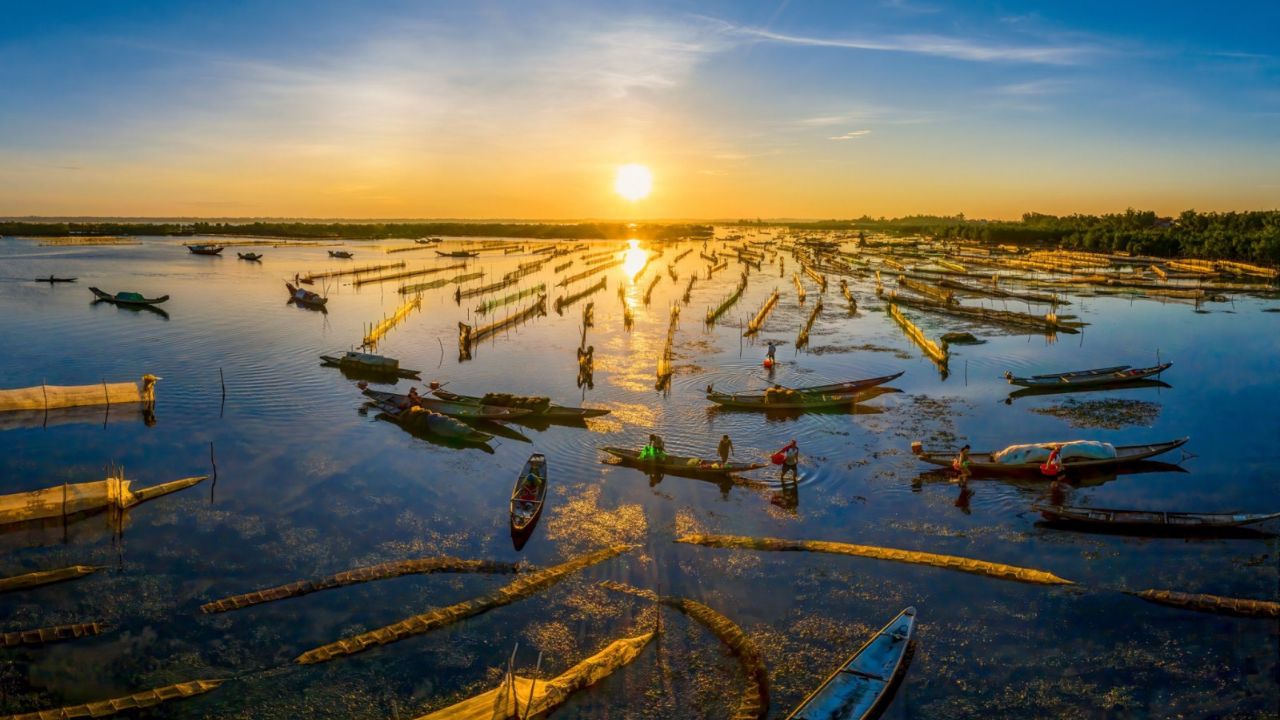
- Late afternoon (4:00 pm – 5:30 pm): Chuon Village is the spot for sunset, with golden light reflecting across still water.
- Early morning (6:00 am – 8:00 am): Floating markets like Ngu My Thanh only run during this window, so it’s the only chance to catch locals trading fresh seafood straight from their boats.
- Midday (10:00 am – 2:00 pm): Skip the open water during this stretch. It’s hot, and the light is harsh. Better to duck into Bao La Bamboo Village or rest at a homestay instead.
How to Get to Tam Giang Lagoon
Getting there isn’t complicated, but the route depends on where the trip starts.
- From Hue City: About 15 km northwest of the center. A private car works best here since it allows stops along the way at Thuan An Beach or the Ru Cha Mangrove Forest.
- From Da Nang: Roughly 110 km, taking about 2.5 hours. Expect coastal views and small fishing villages along the drive.
- From Hoi An: Around 3 hours by car, passing through Lang Co Bay and Hai Van Pass, two spots plenty of travelers already have on their list.
Motorbike, private car, or boat from Thuan An harbor — all three get the job done. I’d lean toward a private car if the group includes kids or older travelers, simply because it’s easier to control the pace and stop for photos whenever something catches the eye.
Top Things to Do and See at Tam Giang Lagoon
Con Toc – Ngu My Thanh – Bao La – Thu Le Temple Area
This section is packed with local life and handmade crafts.
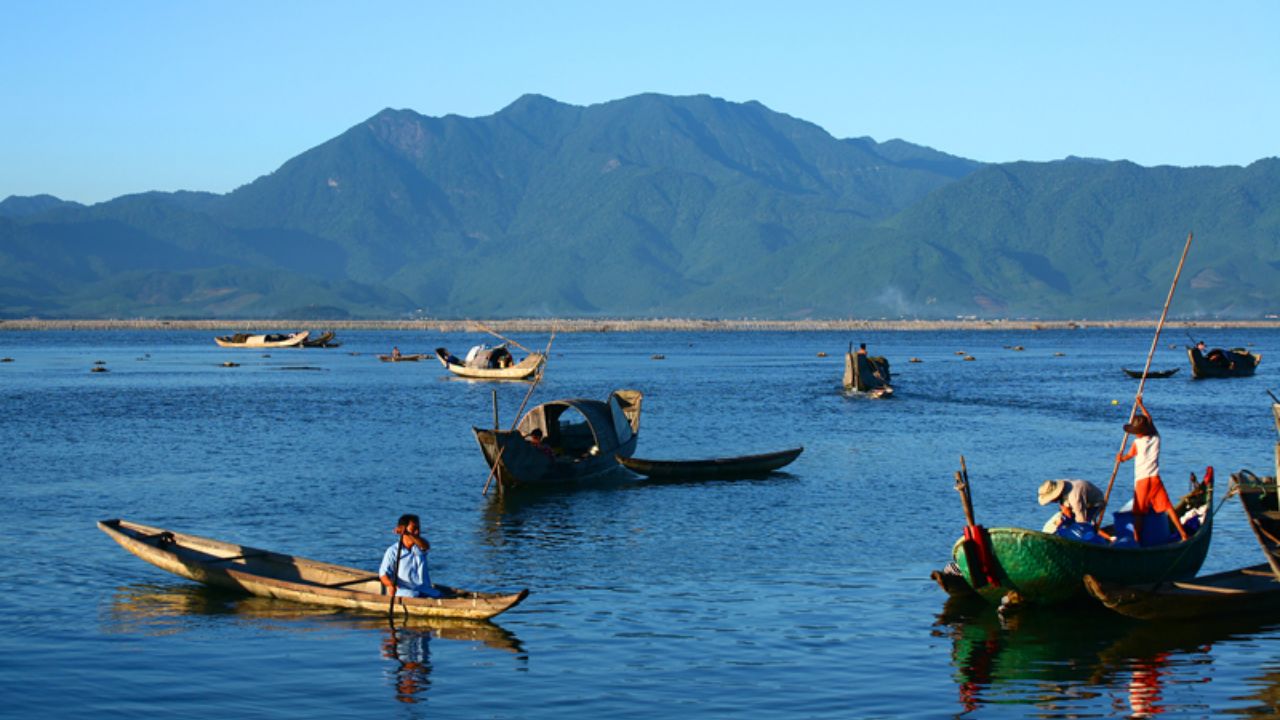
- Ngu My Thanh Floating Market: Best visited early morning to watch locals sell fish, shrimp, and clams directly from their boats.
- Con Toc Ferry Area: A calm stretch of water, good for a boat ride or trying SUP.
- Bao La Bamboo Weaving Village: Watch skilled craftsmen shape baskets and tools by hand — a good demo of a trade that’s been passed down for generations.
- Thu Le Temple: The community hub where visitors can learn more about village traditions.
Chuon Village – Chuon Wetland – Ru Cha Mangrove Forest
Food, fishing, and nature come together in this stretch.
- Chuon Wetland: Busiest during fishing season from April to July, with the Chuon Village Festival held during the 7th lunar month.
- Local dishes: Try Banh Xeo Ca Kinh, a crispy pancake filled with small rabbitfish pulled straight from the lagoon.
- Fishing experience: Join local fishermen as they set traps at dusk and collect the catch at dawn.
- Ru Cha Mangrove Forest: One of the last natural mangrove forests left in the region, and a solid spot for a quiet walk or photos.
- Sunset in Chuon Village: Widely considered one of the best sunset spots along the entire lagoon.
Cau Hai Area
Cau Hai is known specifically for sunrise. The light spreads slowly over calm water while fishing boats cross the horizon, creating a scene that feels almost staged — except it happens every single morning, no filming required.
For travelers planning to stay in the city a bit longer, it’s worth pairing this lagoon trip with a broader list of must-see spots and activities around Hue so the whole itinerary flows better instead of jumping around randomly.
What and Where to Eat at Tam Giang Lagoon
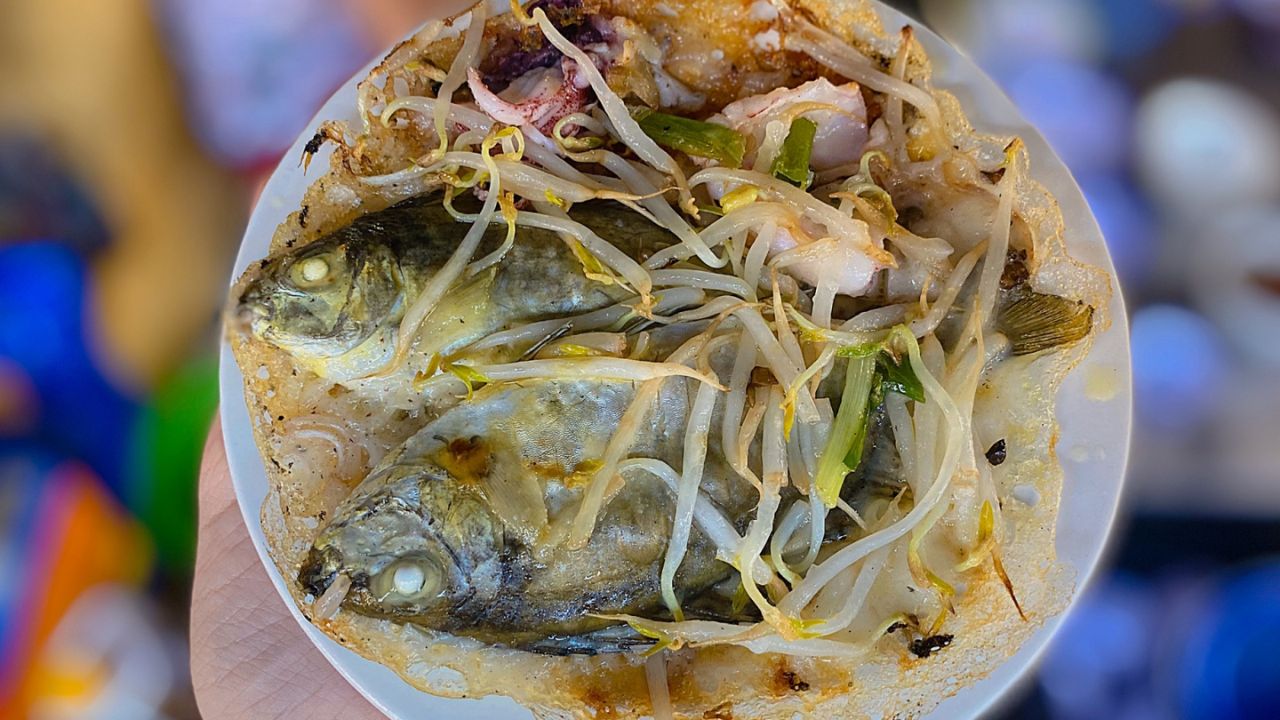
Food isn’t an afterthought here—it is a central part of the experience. Because the lagoon is a mix of fresh and salt water, the aquatic life tastes exceptionally sweet and firm, pulled straight from the water on the same day you eat it.
The undisputed star dish of the region is Banh Xeo Ca Kinh. Unlike standard city pancakes, locals cook small, fresh rabbitfish harvested directly from the lagoon whole right inside the crispy batter, giving it a rich and distinct flavor.
When it comes to where to eat, you have several great options depending on the vibe you want:
- Floating Lagoon Restaurants (Dam Chuon): Dine on rustic wooden platforms built directly over the water for the ultimate local feel.
- Village Home Meals: Enjoy authentic, farm-to-table dishes prepared by local fishing families.
- Nearby Sitting Restaurants: If you prefer formal dining, nearby options in the Phu Loc area include:
-
- Market Place Restaurant – Cu Du Village, Loc Vinh Commune
- Moomba Restaurant – Loc Vinh Commune
- The Water Court Restaurant – Loc Vinh Commune
Travel Tips for Visiting Tam Giang Lagoon
A few small things make a big difference on this trip:
- Bring sunscreen, a hat, and light clothing. The sun gets strong fast, especially around midday.
- Aim for early morning or late afternoon if photos are a priority — the light simply works better then.
- Ask before photographing locals. It’s basic respect, and most people appreciate being asked first.
- Pair the visit with other historical sites in Hue, like the Imperial City or Thien Mu Pagoda, to round out the day.
FAQs about Tam Giang Lagoon Vietnam
How far is Tam Giang Lagoon from Hue City Center?
It is located approximately 30 kilometers northwest of Hue City Center, taking about 30 to 45 minutes to reach by car or motorbike.
How long should I plan for a visit?
A half-day trip covers the highlights, but a full day allows time for both sunrise and sunset viewing.
Is Tam Giang Lagoon suitable for families?
Yes, especially the floating market and bamboo village areas, which are calm and easy to navigate.
Can I combine Tam Giang Lagoon with other Hue attractions in one day?
Yes, many travelers pair it with Thuan An Beach or historical landmarks in Hue for a fuller itinerary.
What’s the closest village for food and lodging?
Chuon Village and areas near Loc Vinh Commune offer the closest dining options and homestays.
