
Hai Van Gate: Ultimate Guide to Vietnam’s Historic Pass Gate
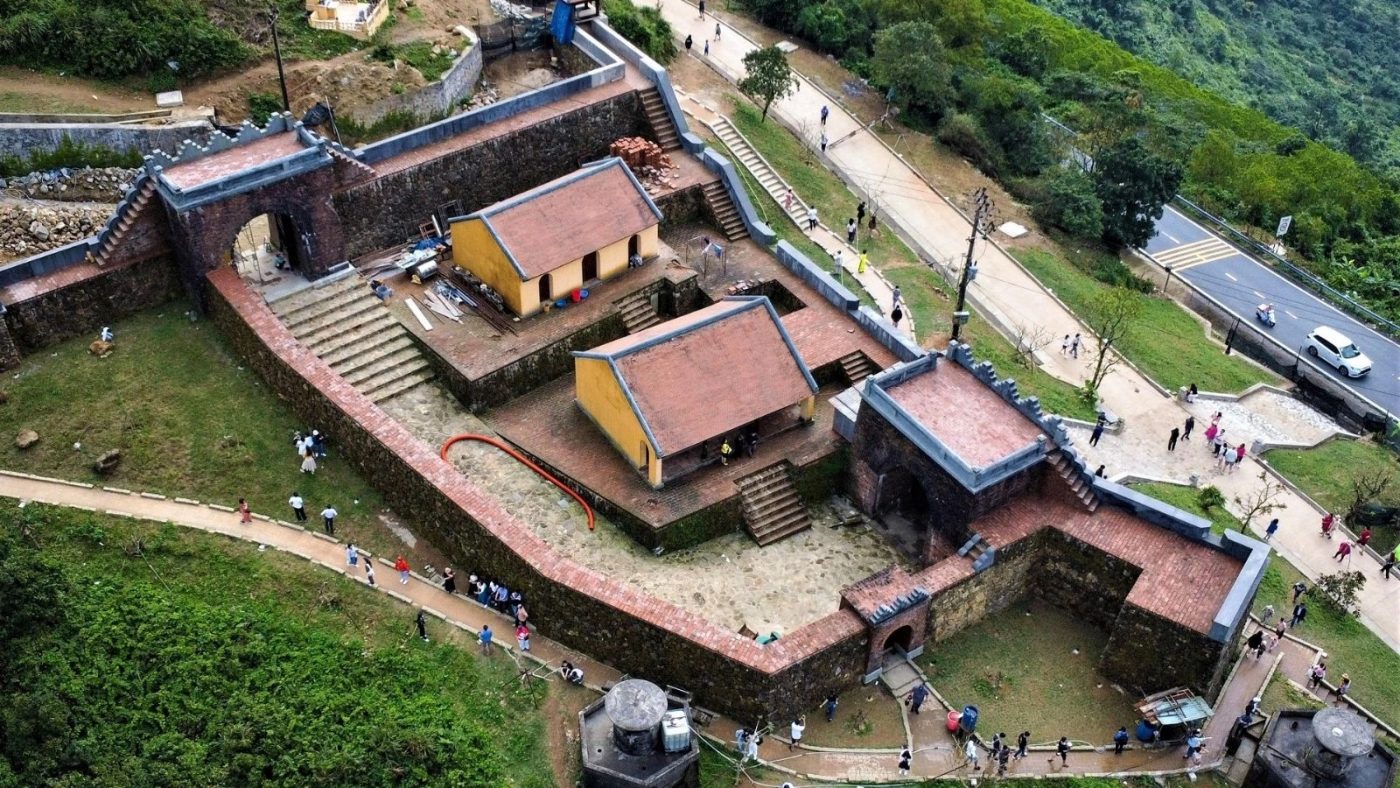
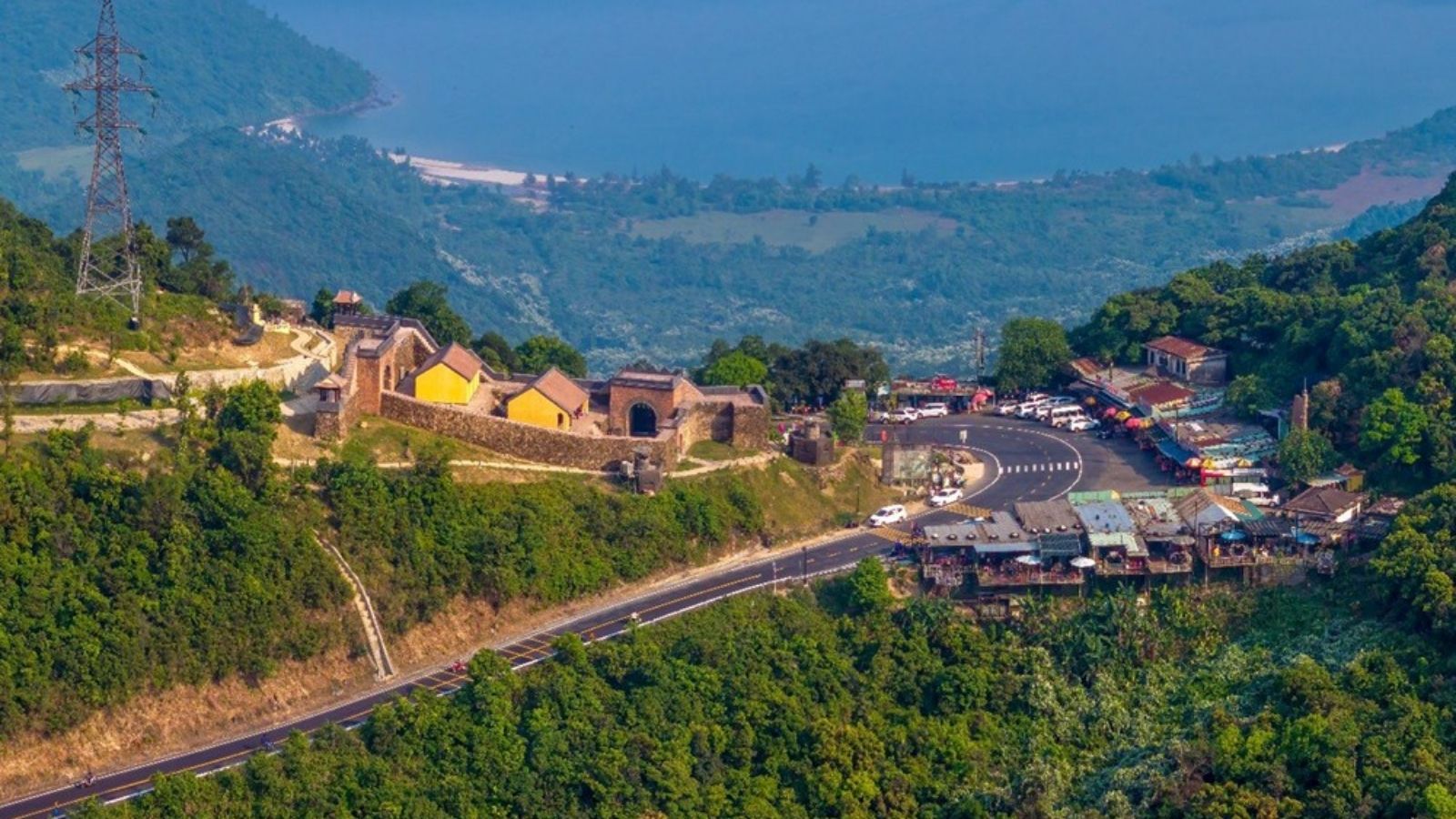
Hai Van Gate sits right at the very top of the legendary Hai Van Pass. This historic site offers travelers sweeping views of misty mountains, winding coastal roads, and the endless blue sea. Built centuries ago, this mountain pass landmark serves as a bridge between rich heritage and breathtaking scenery.
Whether planning a coastal road trip or exploring famous monuments, understanding the story, location, and travel logistics of this iconic gate will help you plan an unforgettable journey through Central Vietnam.
Comprehensive Overview and History of Hai Van Gate
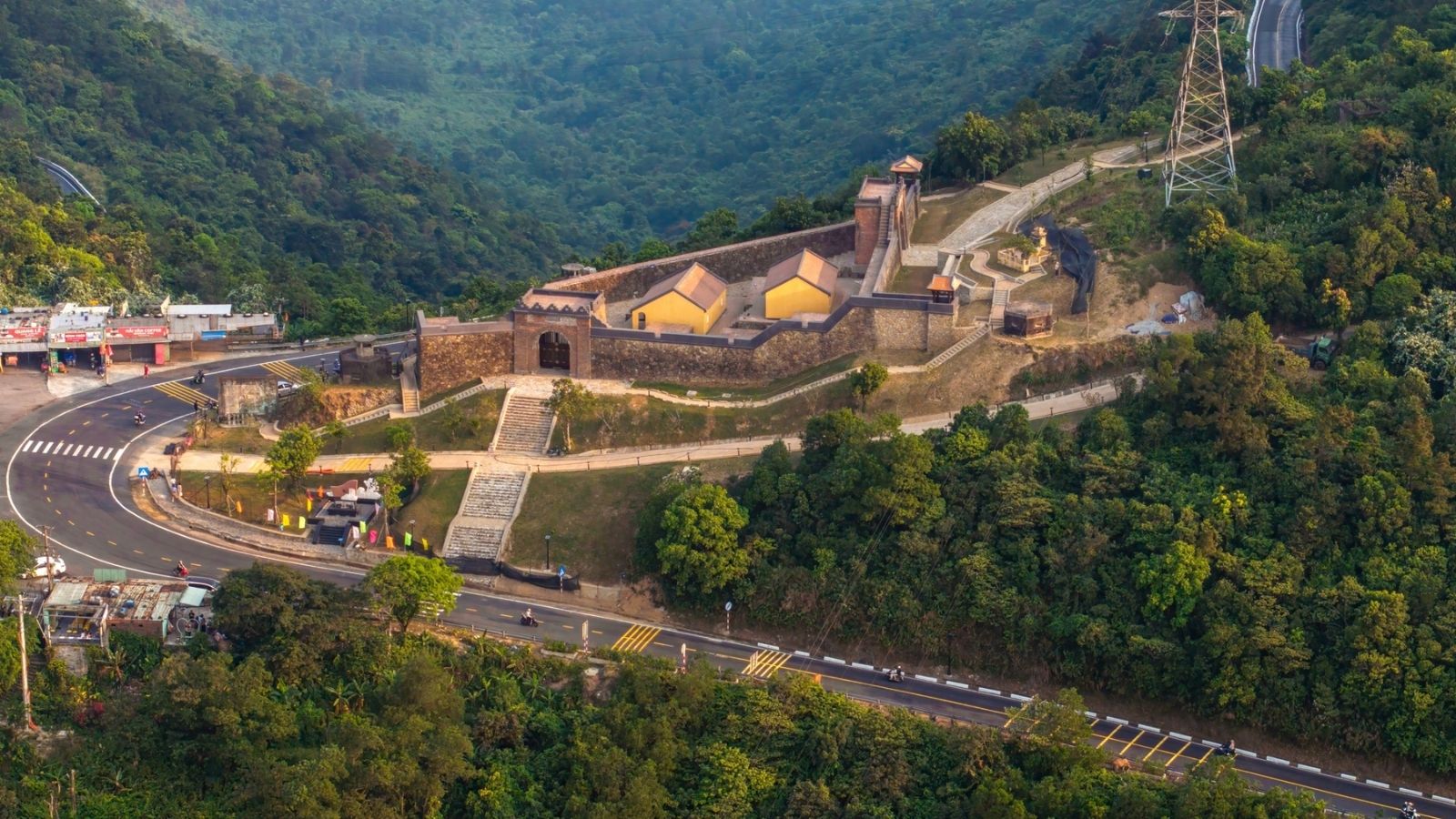
When you step onto the summit of the pass, you are standing on a site steeped in centuries of Vietnamese history. King Minh Mang commissioned the construction of Hai Van Gate back in February 1826 as a crucial defensive fortification. The main goal was to protect the southern approach to the Hue Imperial Citadel and keep a watchful eye on ships moving through the East Sea.
The architecture itself tells a fascinating story through its historic inscriptions:
The north facade facing Hue bears the inscription Hai Van Quan, which translates directly to Ocean Cloud Gate. On the opposite side, the south facade facing Da Nang features the title Thien Ha De Nhat Hung Quan, meaning “The World’s Most Majestic Wonder”—a famous title originally bestowed by King Le Thanh Tong.
This historic outpost holds immense cultural value. In fact, if you visit Hue, you can see a detailed relief of the gate engraved on the historic Du Urn, which is cauldron number 8 among the UNESCO-recognized Nine Dynasty Urns cast under King Minh Mang.
Over the years, the structure evolved alongside the nation’s turbulent history. French colonial forces fortified the gate into a military post in late 1946, and American forces later reinforced the position during the war. These conflicts left behind heavy concrete bunkers right next to the original 19th-century brickwork.
In April 2017, the complex officially gained recognition as a National Historic Site. To preserve its decaying heritage, joint local authorities from Hue and Da Nang funded a massive 42 billion VND restoration project between 2021 and 2024.
Today, skilled craftspeople have meticulously restored the main arched entrance, stone perimeter walls, guard houses, a 3-room armory, and surrounding ramparts using traditional brick, stone, and timber.
Complete Travel Guide for Visiting Hai Van Gate
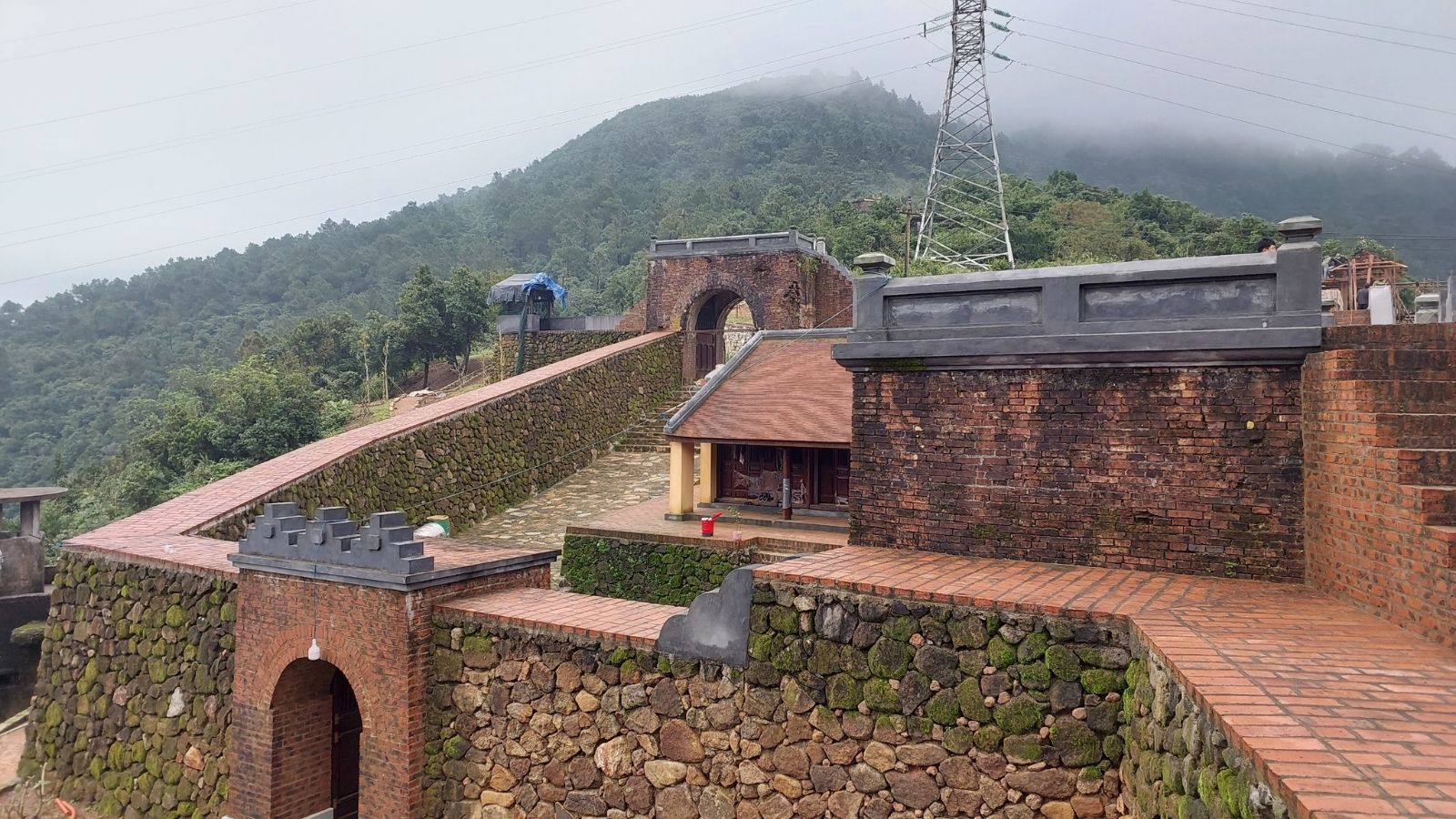
Planning a trip up the mountain is remarkably straightforward if you know what to expect before heading out. Perched at an altitude of 496 meters (nearly 500 meters) above sea level, the gate sits directly on the geographical border of Chan May – Lang Co Commune in Hue and Hai Van Ward in Lien Chieu District, Da Nang.
Here are the essential travel specs you should keep in mind:
- Location Distances: The gate is roughly 28 to 30 km from downtown Da Nang and about 77 to 90 km from downtown Hue.
- Operating Hours: Open in the summer from 6:30 AM to 5:30 PM, and during the winter from 7:00 AM to 5:00 PM.
- Entrance Fee: 70,000 VND / pax (applied uniformly for domestic and international adult visitors).
- Best Time to Visit: I personally love going in the early morning or late afternoon. You get to dodge the intense midday sun, enjoy cool mountain breezes, and catch the softest light for incredible photos.
When you arrive, you can also test out an interactive digital experience. The site features a full 3D interactive tour map covering 9 primary locations. By tapping your smartphone on NFC-enabled check-in boards, you can listen to rich historical stories and unlock collectible digital badges as you walk through the ruins.
Before setting off, make sure to pack smart. I always recommend wearing breathable clothes, comfortable sports shoes for climbing stone steps, sunscreen, UV sunglasses, and a light windbreaker to block the hilltop wind. Don’t forget a reusable water bottle and trash bags to keep the monument clean!
If you want to discover more top attractions in the imperial city, check out our curated guide on exploring the best activities in Hue for your upcoming itinerary.
Transportation Routes: How to Reach the Pass Summit
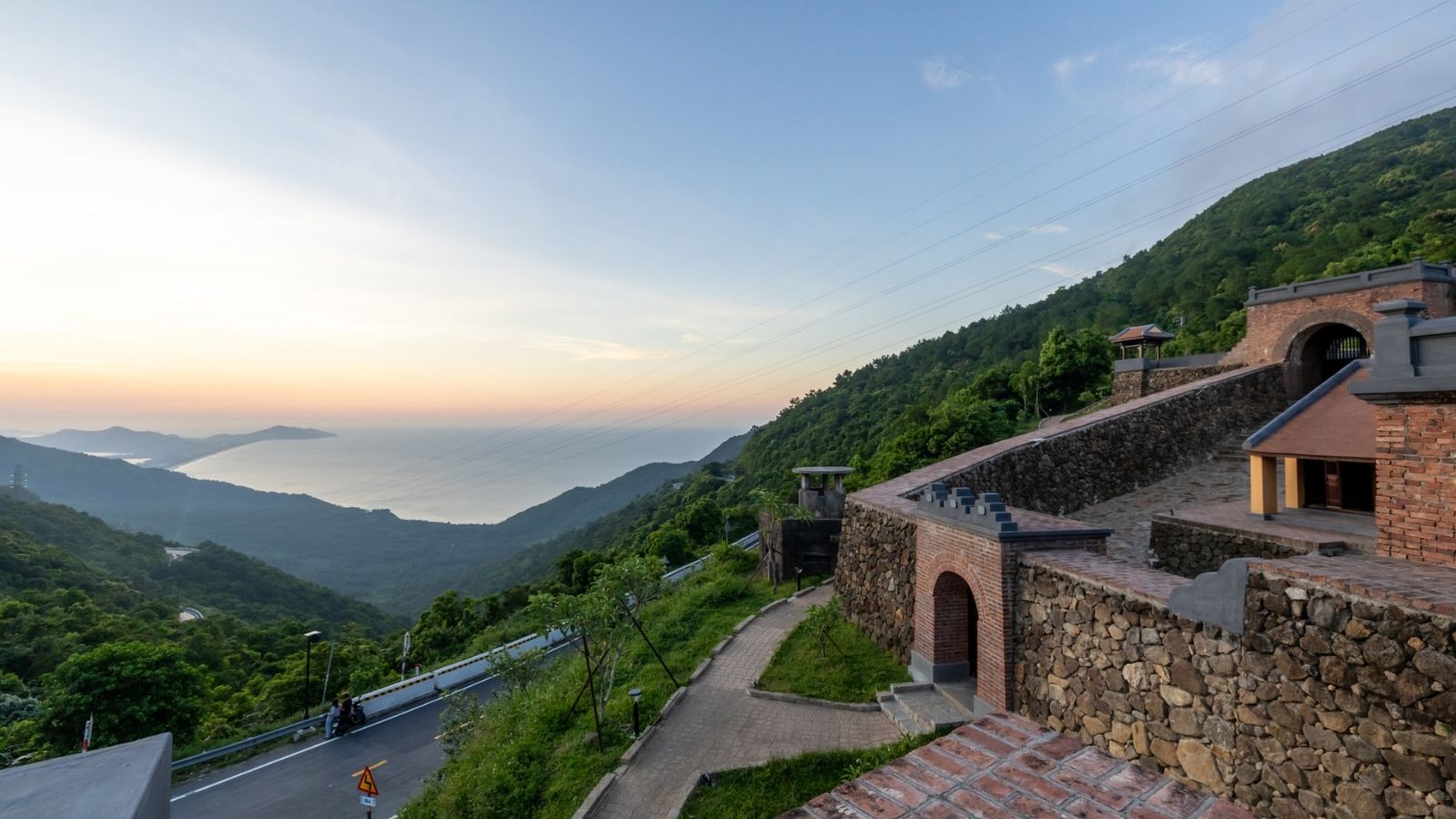
Getting to the top of the pass is an adventure all on its own. Depending on where you start your journey, you have a couple of scenic routes to choose from.
If you travel from Da Nang, head north along Nguyen Luong Bang Street onto Nguyen Van Cu Street. From there, follow National Route 1A as it climbs gently up the mountain towards the peak. If you start from Hue, take National Route 1A south toward Lang Co Bay. Just before the tunnel, steer right onto the winding pass road to climb directly to the top.
Here is a quick comparison of the transport options available:
- Self-Drive Motorbike: This is my absolute favorite way to travel. Riding a motorbike gives you total freedom to stop at scenic pull-outs. However, I do not like navigating the sharp hairpin turns when roads are wet, so drive cautiously and respect the switchbacks.
- Easy Rider Motorbike Tour: If you want the thrill of riding a motorbike without the stress of steering through steep mountain curves, hiring a local Easy Rider guide is a fantastic, stress-free alternative.
- Private Car: A comfortable, air-conditioned private car from Rento Travel is easily the safest and most relaxed choice for families, offering shelter from sudden heat or rain.
Keep in mind that taking the train won’t work for this specific trip because railway tracks run along the base of the mountain. Similarly, long-distance sleeper buses travel through the Hai Van Tunnel, completely bypassing the mountain peak and the gate structure above.
Panoramic Views and Nearby Attractions
Once you reach the high ridge, the panoramic views are simply unreal. From the upper observation posts, you get a full 360-degree look at Central Vietnam’s coastline.
Looking north, you can marvel at the calm waters of Lang Co Bay, Lap An Lagoon, and the rising peaks of the Bach Ma Mountain range. Looking south, you can spot Tien Sa Port, the Son Tra Peninsula, and the distant Cham Islands rising out of the blue sea.
There are also several fantastic coastal spots nearby that you can explore after visiting the main gate:
- Banana Beach (3.7 km away): A quiet, untouched coastal strip perfect for peaceful beach walks and outdoor overnight camping.
- Xoan Beach (5.3 km away): A hidden shoreline featuring soft golden sand and dramatic natural rock formations.
- Sung Co Beach (6.7 km away): Tucked right between the mountains and Da Nang Bay, this spot is ideal for swimming, fishing, and snorkeling.
- Lang Co Beach (13.6 km away): A magnificent 42.5 km crescent bay filled with clear turquoise water and white sand.
- Big Rock Viewpoint: A legendary rock outcrop located on the Da Nang side of the pass, where you can snap photos of the winding road below.
The Hai Van Mountain Microclimate Barrier
One of the most surprising things about crossing the pass is feeling the weather change in real time. The high peaks of the mountain range act as a massive physical barrier against ocean air masses, effectively dividing Central Vietnam into two totally different microclimates.
| Climate Attribute | Hue Side (North) | Da Nang Side (South) |
|---|---|---|
| Primary Weather | Rainy, damp, heavily clouded, and cool | Warm, sunny, dry, and temperate |
| Typical Atmosphere | Misty with frequent winter fog | Clear blue skies and bright sunshine |
| Daily Life Impact | Slower daily pace; shops close early (~7:30 PM) | Energetic coastal lifestyle; active nightlife |
| Food Culture | Strong preference for hot, extra-spicy dishes | Fresh seafood and mild, balanced coastal flavors |
FAQs about Hai Van Gate
Do I need to buy a ticket to enter Hai Van Gate?
Yes, the official entrance fee is 70,000 VND per person for visiting the Hai Van Quan historical relic site.
How far is Hai Van Gate from Hue and Da Nang?
The landmark is located approximately 28 to 30 km from downtown Da Nang and roughly 77 to 90 km from downtown Hue.
What is the best time of year to ride across the pass?
The dry season between March and September offers clear skies, dry roads, and the safest riding conditions.
