
Attractions
Is My Son Sanctuary Worth It? Top Full Guide
Sep
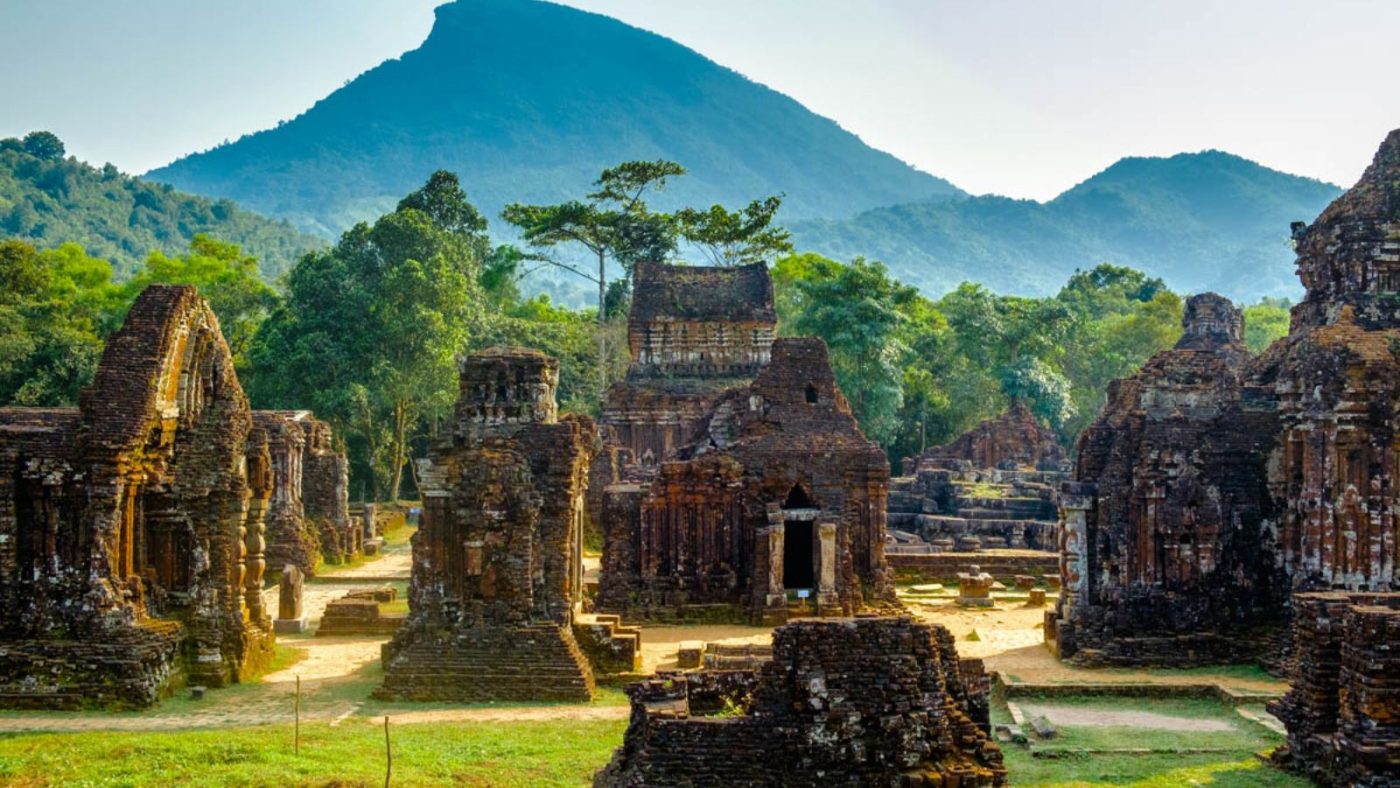
Visiting Central Vietnam usually means enjoying ancient towns and sandy beaches. Many travelers wonder if a trip into the jungle valley is a good idea. Knowing whether Is My Son Sanctuary Worth It helps you plan your time in Hoi An or Da Nang better. This archaeological complex offers deep historical roots from the Champa Kingdom. It also brings unique red brick architecture and peaceful nature views.
Read this guide to find out if this UNESCO World Heritage Site belongs on your travel bucket list.
Is My Son Sanctuary Worth Visiting? The Verdict for Different Travelers
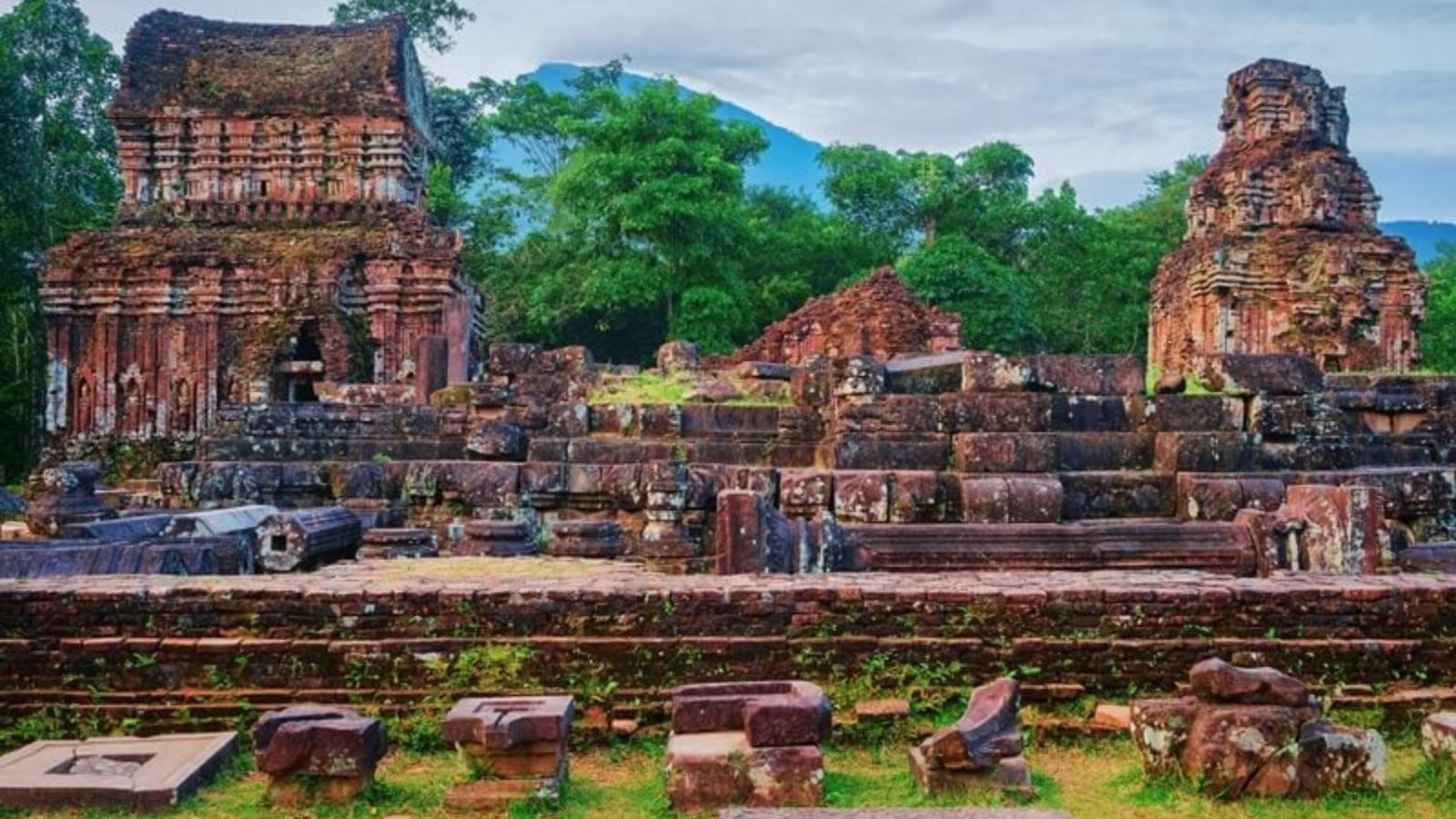
We often get asked if taking a day trip to My Son Sanctuary is really worth your time. The short answer is a resounding yes. However, it depends on what you enjoy most when exploring new countries. We absolutely love walking through ancient history surrounded by quiet nature.
History lovers will find this valley deeply moving and atmospheric. You can inspect red brick towers that stood strong through centuries of tropical storms. Photographers will also adore the soft golden light during an early morning sunrise tour. The red bricks pop brilliantly against the emerald jungle backdrops.
On the other hand, some travelers might feel neutral or even dislike the experience. Do not expect massive, perfectly restored stone monuments here. Unlike intact cities, this valley holds rugged ruin groups.
To help you decide quickly, we created this simple breakdown:
- Who Will Love It: History buffs, culture fans, and travelers seeking peaceful spiritual sites.
- Who Might Not Like It: Tourists seeking modern theme parks or massive intact stone palaces.
- Main Highlights: Stunning architecture, live dance shows, mountain views, and quiet forest pathways.
What Makes My Son Sanctuary Culturally and Historically Significant?
We feel immense awe whenever we step foot into this spiritual valley. My Son Sanctuary holds incredible significance for Vietnam and world history. The Champa Kingdom developed this area as their chief religious site. King Bhadravarman started building the first wooden and brick temples here early on. Over time, rulers built dozens of brick towers across ten centuries.
The primary religious affiliation of the site belongs to Hinduism. Specifically, the structures focus on Shiva worship. Ancient builders designed the main towers to symbolize Mount Meru. This mythical peak represents the center of the universe in Hindu cosmos lore.
Furthermore, UNESCO declared the complex a World Heritage site. This official status protects its priceless artistic value for future generations. However, modern conflicts left deep scars on the land. American bombing campaigns during the war damaged several major temple groups. Yet, the remaining structures still showcase amazing spiritual endurance today.
How Does My Son Sanctuary Compare to Other Southeast Asian Temples?

Many travelers compare this site to other world-famous ruins across Asia. We find comparing these heritage locations helps set realistic expectations before booking your tour.
When you compare it to Angkor Wat, the scale feels very different. Angkor Wat in Cambodia is massive and built from grey sandstone blocks. In contrast, My Son Temples is smaller, highly intimate, and constructed from warm red bricks. It feels like a hidden sanctuary tucked quietly inside a mountain valley.
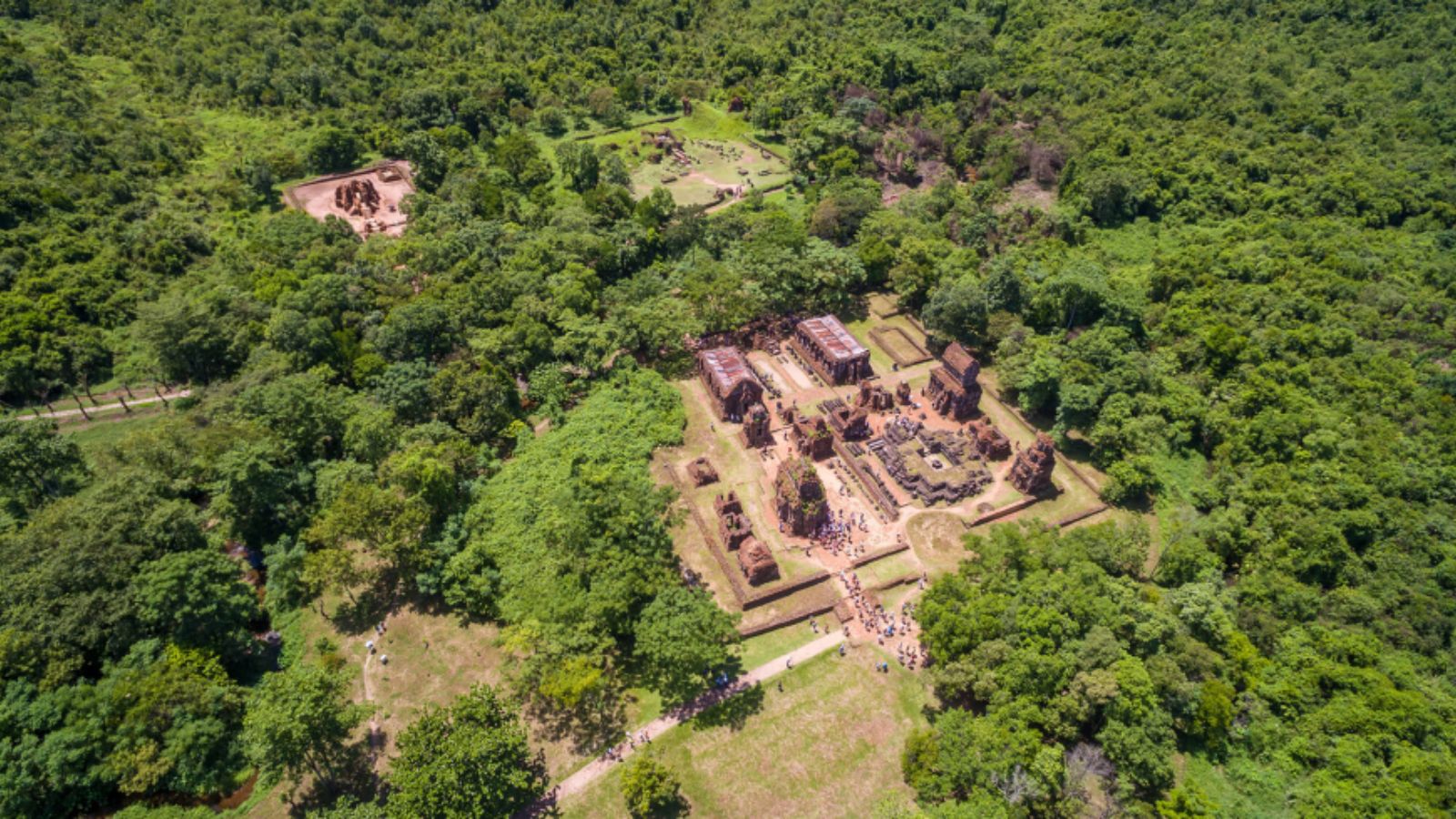
Similarly, sites like Bagan in Myanmar or Ayutthaya in Thailand cover vast flat plains. My Son sits in a compact valley surrounded by dense trees. You can comfortably walk through all the open temple groups in a single morning.
Local comparisons are also very interesting. You can see similar historic brick architecture at the Po Nagar towers in Nha Trang. However, this valley complex offers a much larger collection of structures in one place. If you want to see salvaged stone sculptures up close, you can visit the Museum of Cham Sculpture in Da Nang.
Essential Visitor Guide: Tickets, Logistics, and Transportation
We want your trip to run as smoothly as possible. Knowing the basic numbers and logistics makes planning easy and stress-free.
Here are the primary specs for your visit:
- Entrance Fee: The official My Son Sanctuary entrance fee is 150,000 VND for foreign tourists. Local Vietnamese visitors pay 100,000 VND, while children enter for 30,000 VND.
- Opening Hours: The gates open daily from 6:00 AM to 5:00 PM.
- Distance from Hoi An: Located roughly 40 to 55 km away, taking about one hour by road.
- Site Transport: Your ticket price includes an electric shuttle ride from the main gate to the ruins.
Getting to the valley is very easy from nearby tourist towns. Most people book a comfortable day tour from nearby cities. If you stay in Da Nang, the drive inland takes around 60 minutes. Travelers coming from Hue face a longer 145 km trip over mountain passes.
If you plan to stay in the region longer, check out these must-try local experiences and tips in Hoi An for your itinerary. Combining historical tours with local food spots creates an unforgettable vacation.
How to Plan the Perfect Visit to My Son Sanctuary
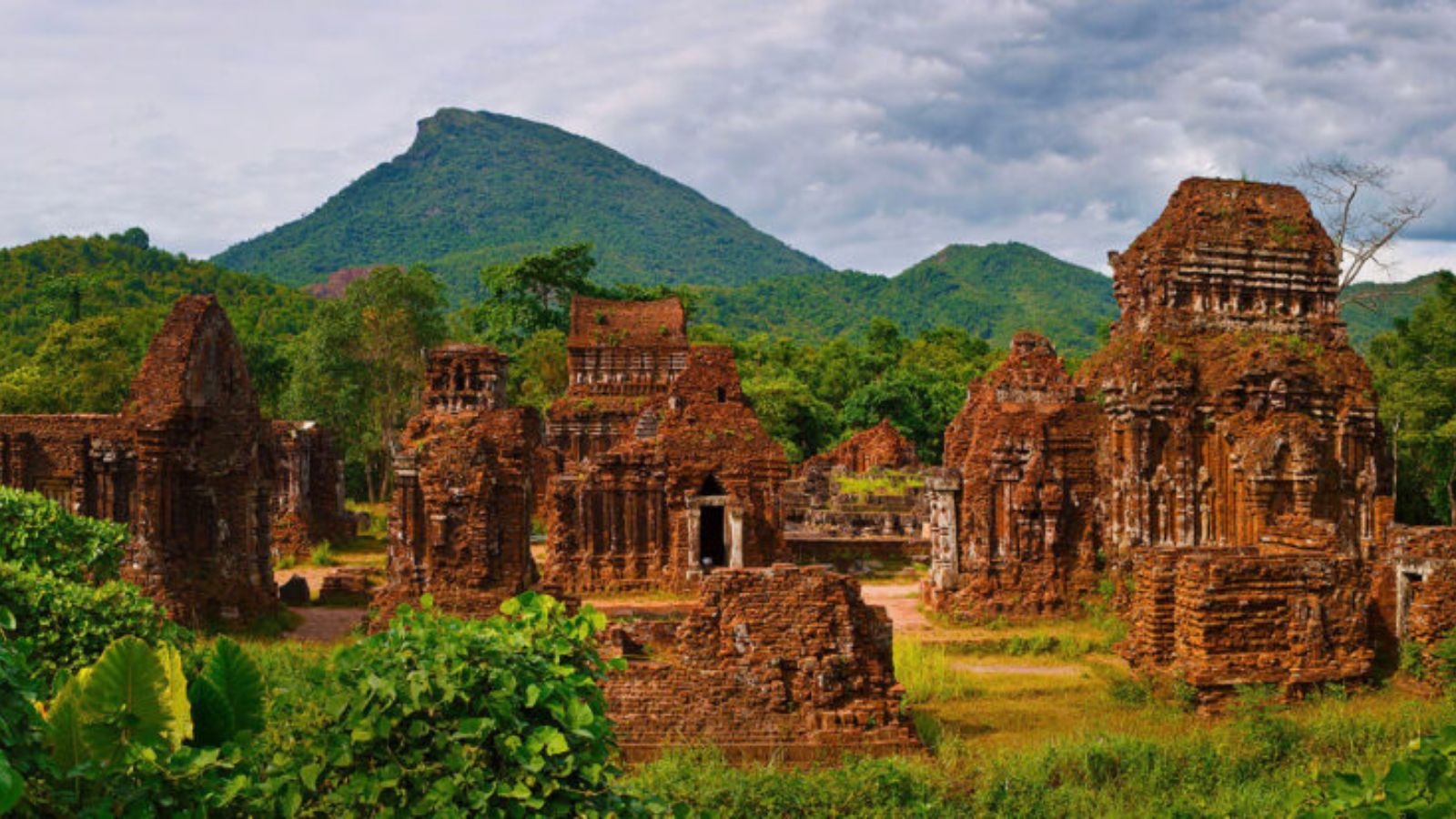
We always recommend arriving early in the morning. Beating the hot midday sun makes walking along the stone pathways far more enjoyable. Plus, arriving early lets you avoid large bus groups.
When you walk into the main complex, follow the marked path through temple groups A B C D. Each group shows different building eras and carved patterns. You can see stone altars, sacred linga-yoni statues, and detailed wall carvings depicting gods.
After exploring the brick towers, walk over to the cultural center stage. They host a live Cham cultural performance several times a day. We love watching the dancers perform traditional routines in colorful historic costumes.
Follow these easy rules for a great day:
- Dress Respectfully: Wear clothes that cover your shoulders and knees out of respect for sacred grounds.
- Bring Essentials: Pack sun cream, an umbrella, bug spray, and plenty of drinking water.
- Visit the Museum: Stop at the Mỹ Sơn Museum near the entrance gate to read ancient facts.
- Try Local Food: Stop at local roadside eateries afterward for fresh mì Quảng noodles.
Quick FAQs about Visiting My Son Sanctuary
How do I get from Hoi An to My Son Sanctuary?
The sanctuary sits about 40 kilometers southwest of Hoi An. It’s home to a cluster of ancient Hindu temple ruins. Rento Travel runs private transfers to My Son, whether you’re staying in Hoi An, Da Nang, or Hue.
How much time do I need to visit My Son temples?
Plan for 1.5 to 2 hours inside the site. That’s enough time to walk through the main temple clusters without rushing. Add extra time if you’re bringing a guide or shooting photos.
Is there a dress code at the Sanctuary?
There’s no strict dress code enforced at the gate. Still, I recommend dressing modestly out of respect. This is an ancient religious site, so covered shoulders and knees go a long way.
How much does it cost to enter My Son Sanctuary?
The entrance ticket costs 150,000 VND, roughly $6 USD, for international adults. Vietnamese nationals and children pay a lower rate. It’s a small price for centuries of history.
So, is it worth visiting My Son Sanctuary? We certainly think so. The combination of ancient history, beautiful red bricks, and lush jungle scenery makes it a true Vietnamese treasure.
