
Attractions
Hoi An Old Town: History, Attractions & Best Time to Visit
Sep
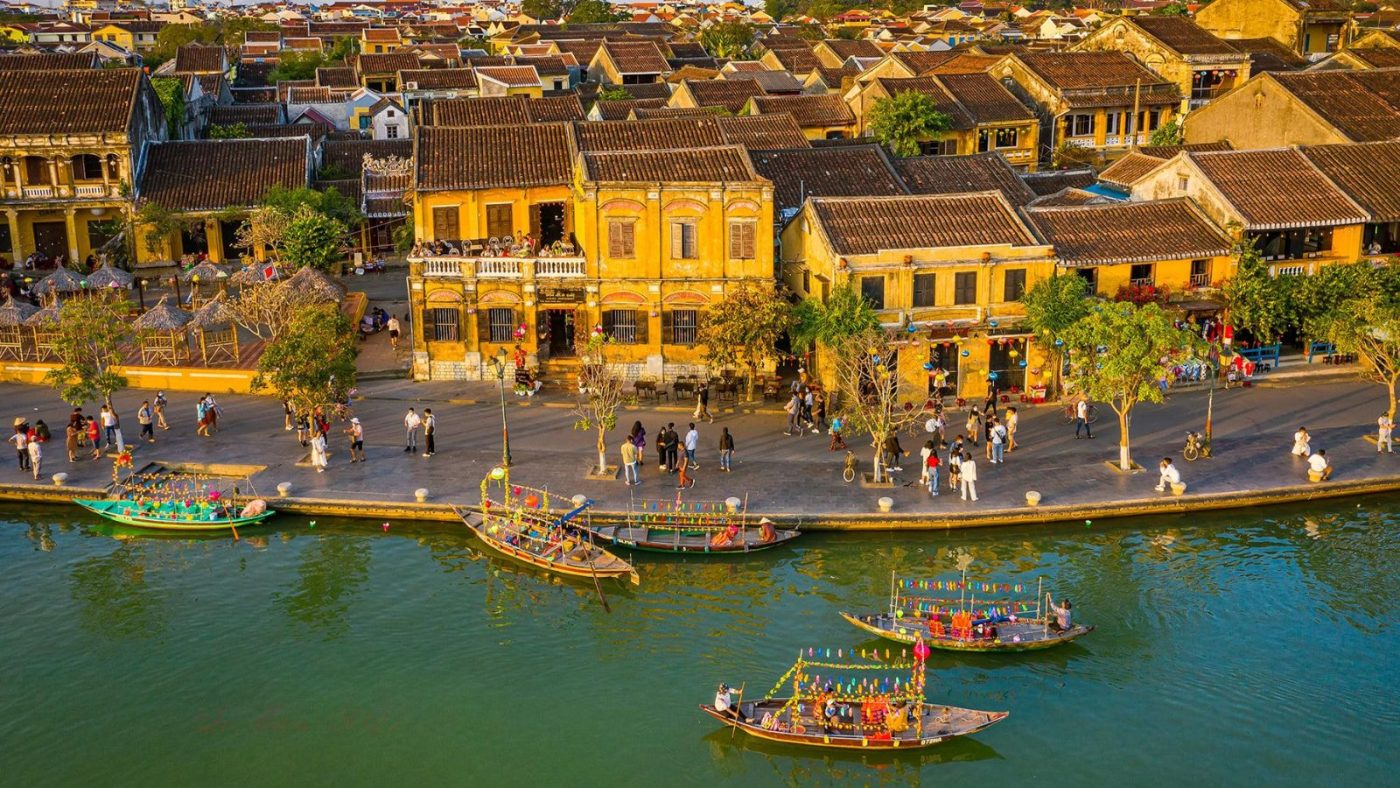
Stepping into Hoi An Old Town feels like walking straight through the pages of a forgotten history book. This ancient trading port has welcomed traders, monks, and wanderers for centuries. In 1999, the site earned official recognition as a UNESCO World Cultural Heritage site for its enduring global historical value.
Wandering down these historic lanes reveals a unique architectural fusion of Vietnamese, Japanese, Chinese, and European influences. Whether you like exploring ancient merchant homes or tasting local noodles, this town never fails to captivate curious visitors.
Understanding Hoi An Old Town
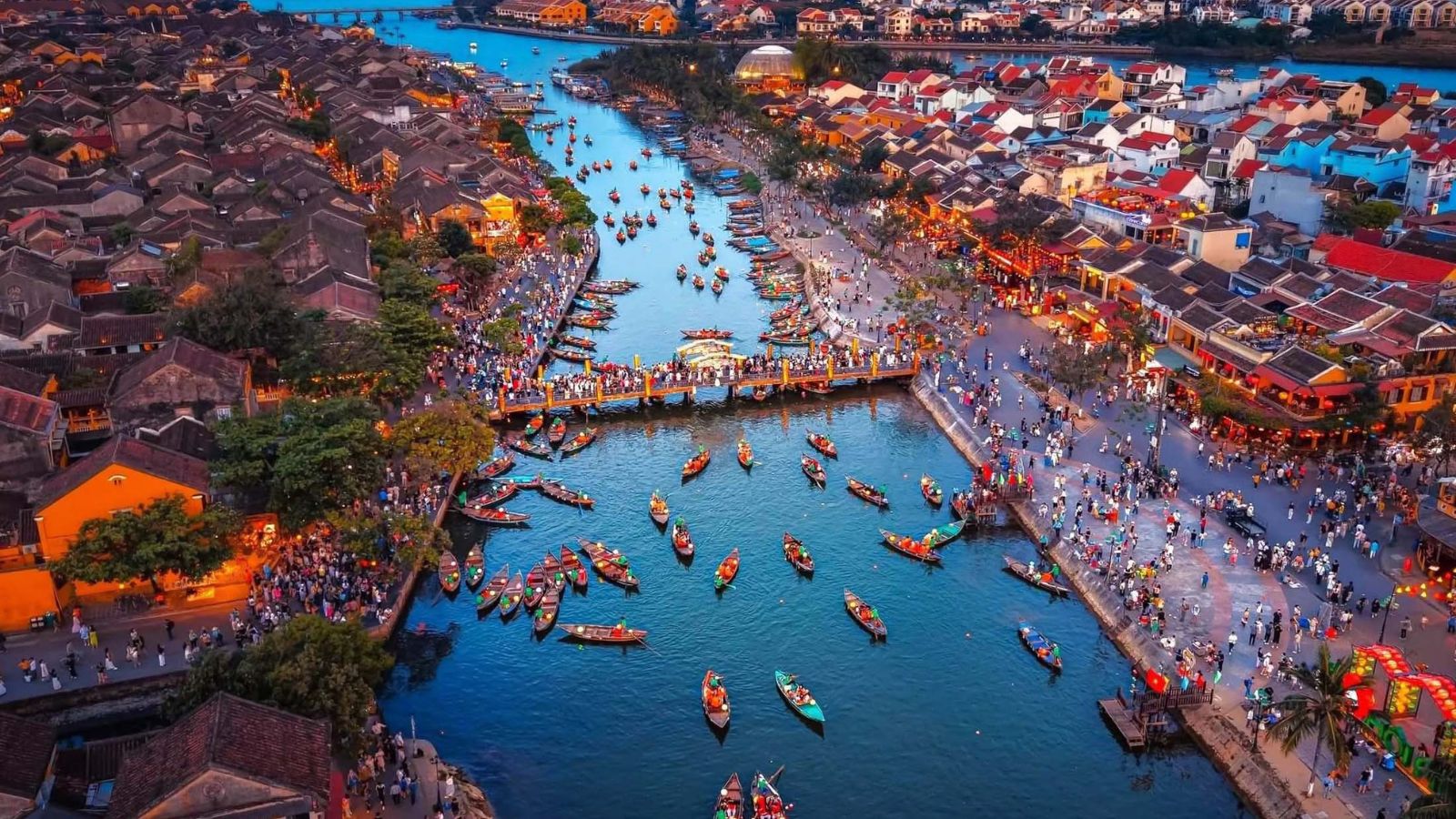
Hoi An Ancient Town stands proudly as an exceptionally well-preserved living museum and a thriving 15th-to-20th-century trading port. Back in the day, European merchants and Asian traders mingled constantly along the docks of this coastal region.
Because of this rich history, the United Nations Educational, Scientific and Cultural Organization designated the area as a UNESCO World Cultural Heritage site back in 1999. Today, that prestigious title preserves its enduring global historical value for millions of international visitors.
Every single alleyway showcases a unique architectural fusion of Vietnamese, Japanese, Chinese, and European influences. For example, local builders merged diverse regional styles over centuries of maritime commerce. During the peak trade epoch between the 15th and 19th centuries, merchants from distant lands settled permanently here. Consequently, the town transformed into a melting pot of unique cultural traditions.
For instance, unlike modern concrete metropolises, this historic district maintains strict preservation guidelines. Local authorities protect the moss-grown roofs and antique wooden structures with great care. Therefore, modern travelers get to witness a living medieval atmosphere that survives intact.
As a sample of this dedication, vehicle restrictions keep the ancient streets quiet and safe for pedestrians. Ultimately, understanding this heritage helps every visitor appreciate why the location remains a top global destination.
Top Attractions and Places to Visit in Hoi An Ancient Town
Japanese Covered Bridge
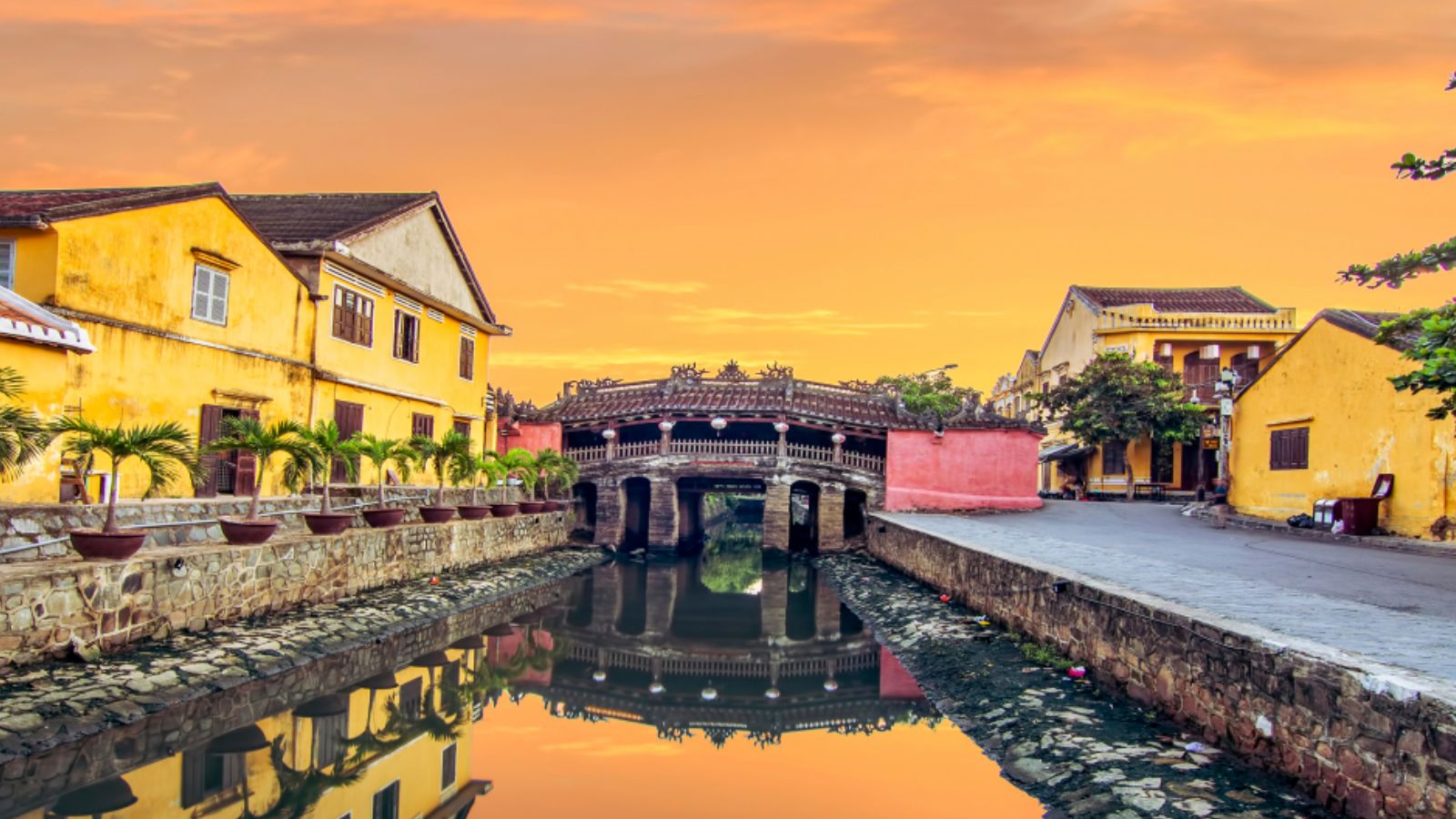
The Japanese Covered Bridge is located in Hoi An Old Town, right off Tran Phu Street. Japanese merchants built it in the mid-16th century. It’s one of those spots everyone photographs. And honestly, it deserves the attention.
Hoai River and Boat Rides
Hoai River flows through Hoi An and connects to Thu Bon River. A short boat ride here at night feels magical. Lanterns float on the water during full moon nights. It’s a peaceful contrast to the busy streets.
Ancient Houses
Hoi An’s ancient houses show off centuries of craftsmanship. Tan Ky Old House survived the 1964 flood without major damage. It’s recognized as a national heritage site. Phung Hung House uses solid ironwood construction. Quang Thang House features detailed wood carvings from Kim Bong village artisans. Tran Family Chapel mixes three architectural styles in one building.
Chinese Assembly Halls
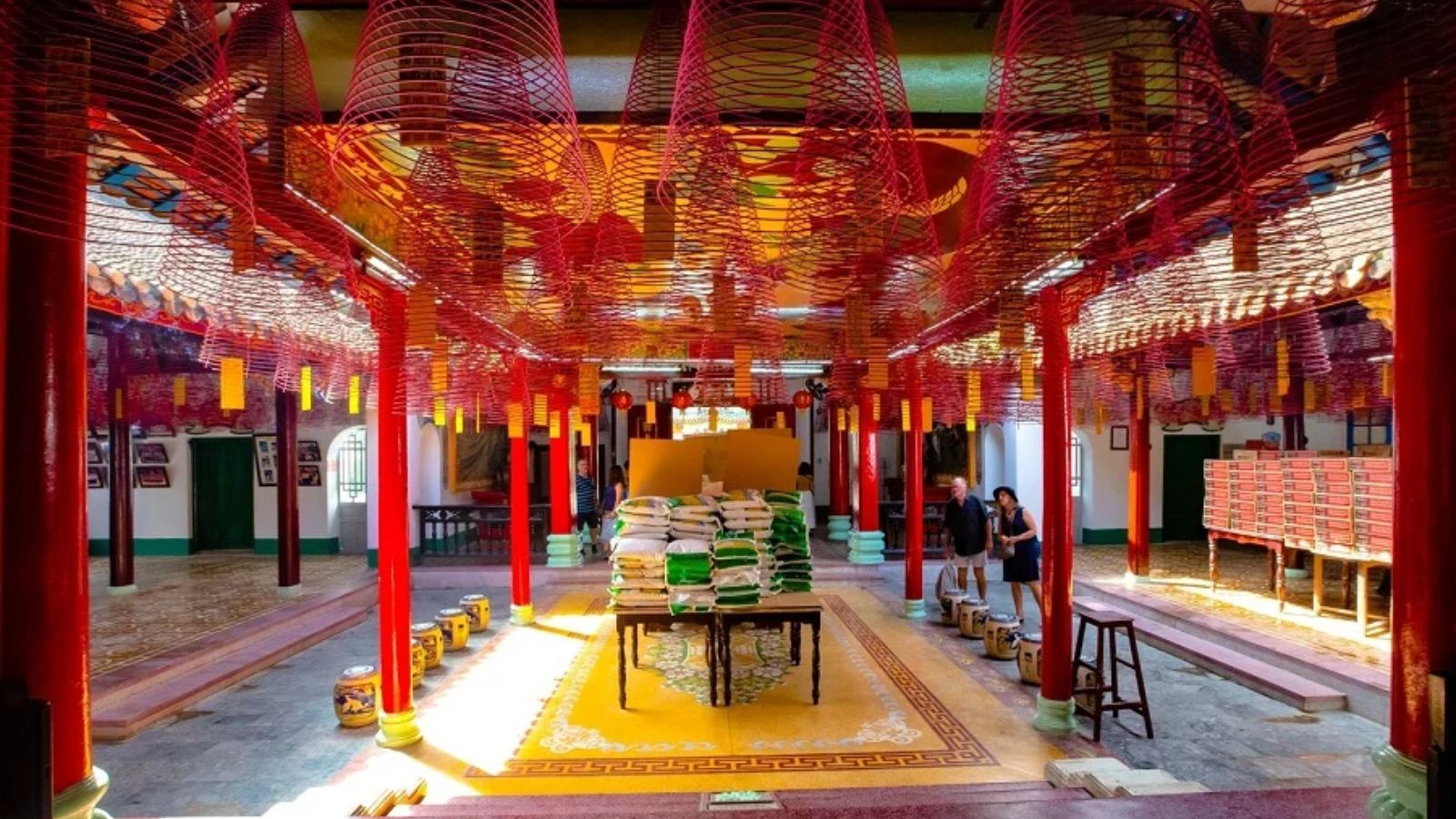
Hoi An assembly halls reflect the town’s diverse trading community. Cantonese Assembly Hall was built in 1885. Fujian Assembly Hall sits on Tran Phu Street and received relic certification on February 17, 1990. Fujian Assembly Hall was built by the Fujian Chinese community, and it remains the largest of the five halls. Trieu Chau Assembly Hall was built in 1845 to honor safe sea voyages.
Sacred Temples and Pagodas
Quan Cong Temple draws visitors with its Chinese-style architecture. Ba Mu Pagoda offers golden walls and a peaceful lake view. Minh Huong Pagoda remains the only original Buddhist temple in the town center.
Hoi An Central Market
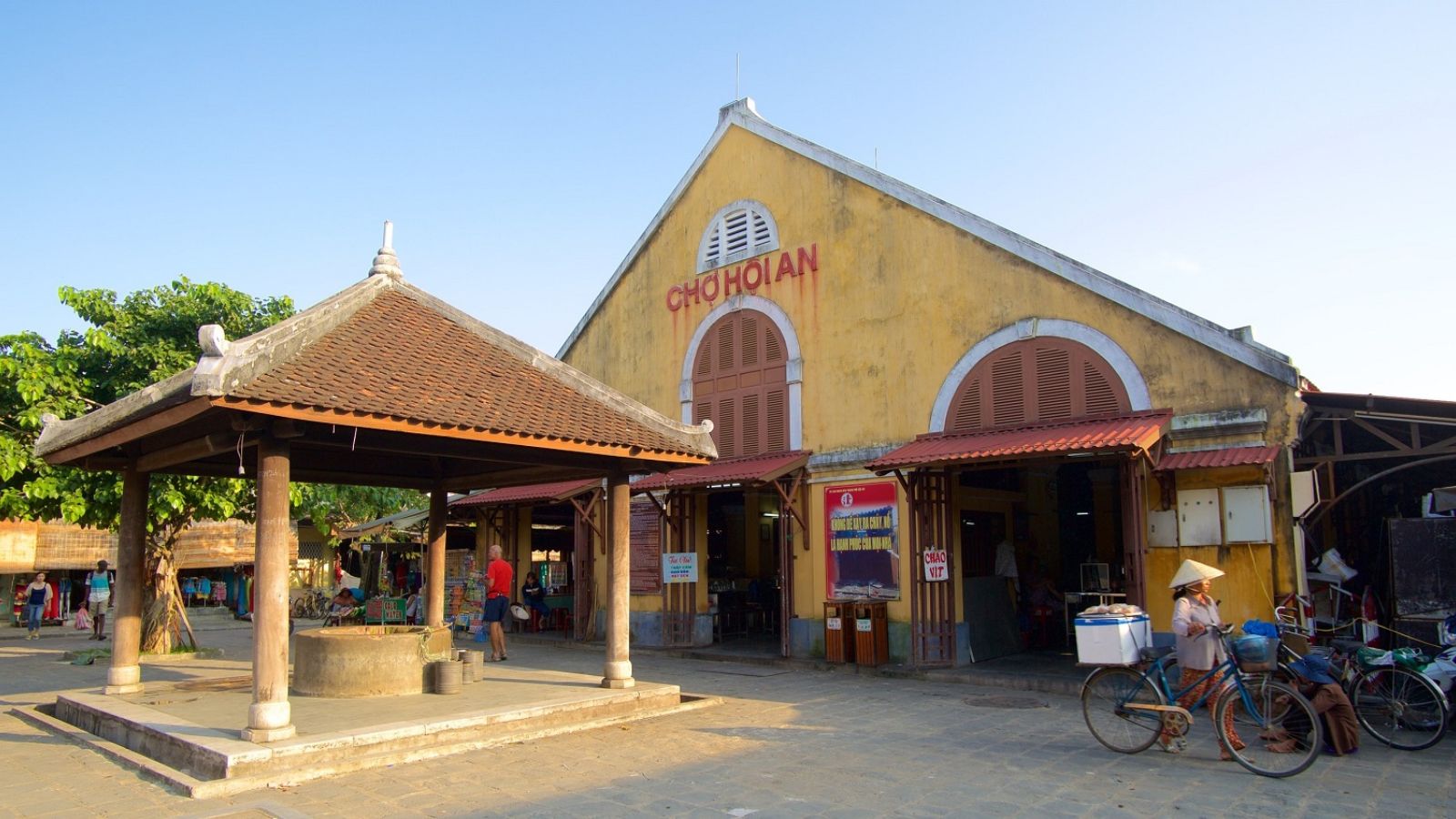
This market buzzes with life daily. Fresh seafood, produce, and souvenirs fill its stalls. The food court alone is worth a visit.
Museum of Culture and History
The Museum of Culture was built in 1989. It holds 434 original artifacts made from ceramics, bronze, and wood. It’s a quiet stop, but a meaningful one.
For travelers who want a fuller itinerary, it helps to check nearby cultural experiences beyond the town center.
Immersive Cultural Experiences and the Monthly Lantern Festival
When evening arrives, the atmosphere shifts into something truly magical. The monthly Hoi An Lantern Festival takes place on the 14th and 15th day of every lunar month. During this event, shop owners turn off all electric lights and replace them with colorful silk and paper lanterns.
Consequently, the entire Old Quarter glows in a warm, romantic light. Visitors frequently embark on evening boat trips along the Hoai River to release floating candlelit paper flowers. Locals view this ritual as a meaningful way to express gratitude to ancestors and wish for a prosperous year.
In addition to the lanterns, traditional folk games fill the public squares with laughter and cheerful shouting. Travelers can watch or even join in these lively community activities. Moreover, the pedestrian-friendly streets enforce strict vehicle restriction schedules, making nighttime strolls completely safe and relaxing. This immersive environment creates unforgettable memories for anyone fond of traditional cultural celebrations.
Culinary Traditions and Famous Local Delicacies
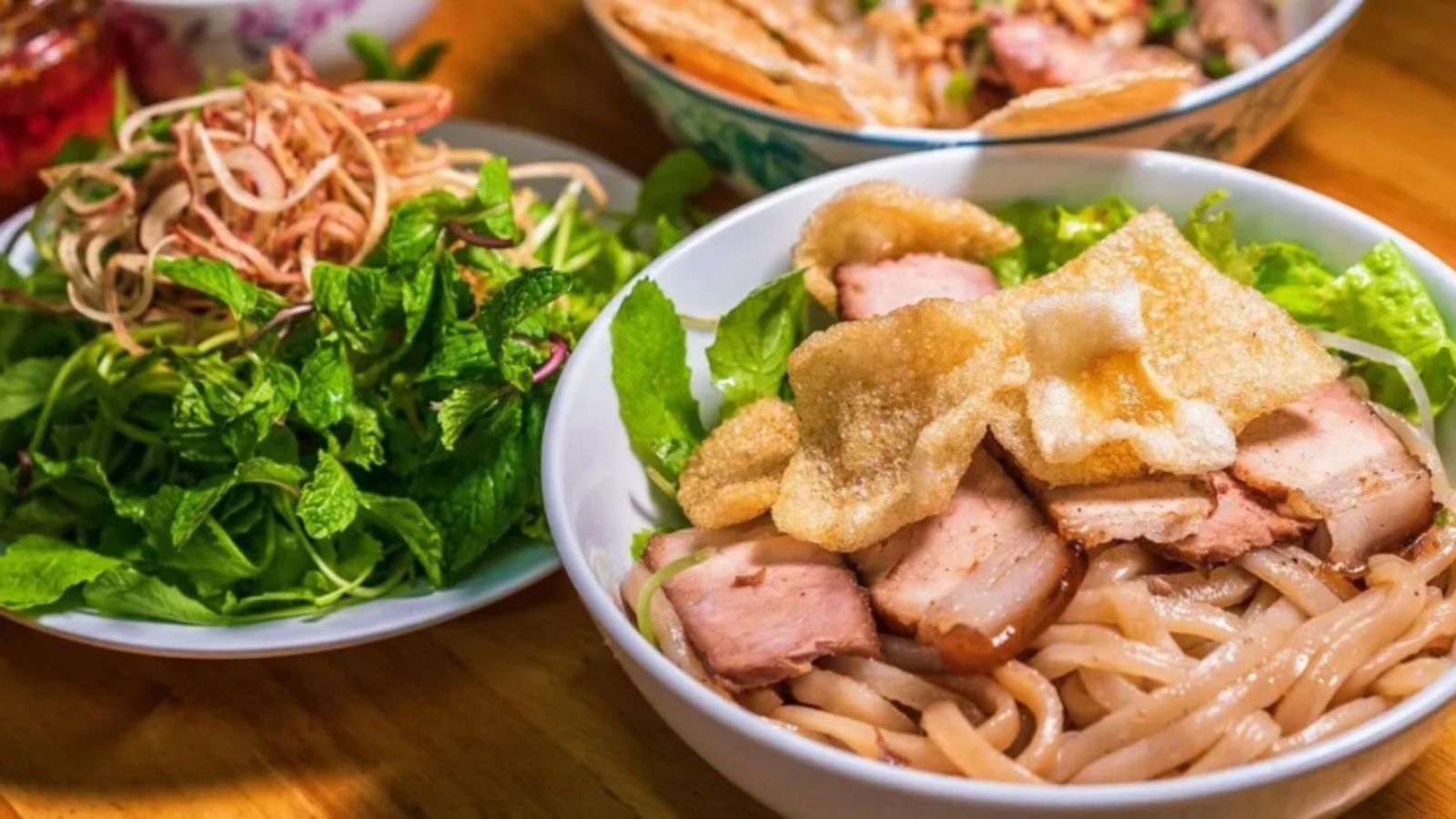
Exploring historic sites naturally builds up a healthy appetite. Luckily, the local food scene offers world-class flavors that food lovers rave about. The most famous dish is Cao Lau, a unique bowl of rice noodles with a texture closer to pasta.
The secret behind authentic Cao Lau lies in its water source, which must come directly from the ancient Ba Le Well. Chefs top these noodles with slices of roast pork, crunchy dough fritters, and a mountain of fresh herbs and greens.
Other regional must-eat specialties include delicate White Rose Dumplings and traditional Vietnamese white coffee mixed with condensed milk. For example, sitting on a low wooden stool while sipping sweet iced coffee creates an authentic local vibe.
Travelers can also explore the bustling Hoi An Central Market to sample street food stalls and buy fresh produce. Food tours guide curious eaters through hidden alleys to taste family recipes passed down for generations. Ultimately, every meal here tells a delicious story of cultural exchange.
Practical Visitor Guide: Planning Your Trip
Planning a smooth journey requires knowing a few practical details. The town is located right in the heart of Quang Nam Province, sitting just 30 kilometers south of Da Nang City.
- Location: Quang Nam Province, but due to Vietnam’s consolidation policy, now it becomes a part of Da Nang city.
- Distance from Da Nang: Approximately 30 kilometers south. Booking a private car to get to Hoi An easily.
- Primary Waterway: Thu Bon River.
Visitors who want to explore heritage monuments need to purchase an entrance ticket. The ticket price for foreign visitors is 120,000 VND, while domestic travelers pay 80,000 VND. This ticket permits entry to multiple historic assembly halls, ancient houses, and museums.
When it comes to the weather, the year divides into two distinct seasons. The dry season runs from February to August, with the hottest months peaking in June and July when temperatures range between 25 and 30 degrees Celsius. Conversely, the wet season lasts from September through January.
Getting to the destination is quite simple. Travelers can take a train, bus, taxi, or drive a personal motorbike from nearby cities. For accommodation, options range from boutique hotels near the river to luxury resorts further down the coast.
