
Attractions
Tan Ky Old House: History, Architecture & Visitor Guide
Sep
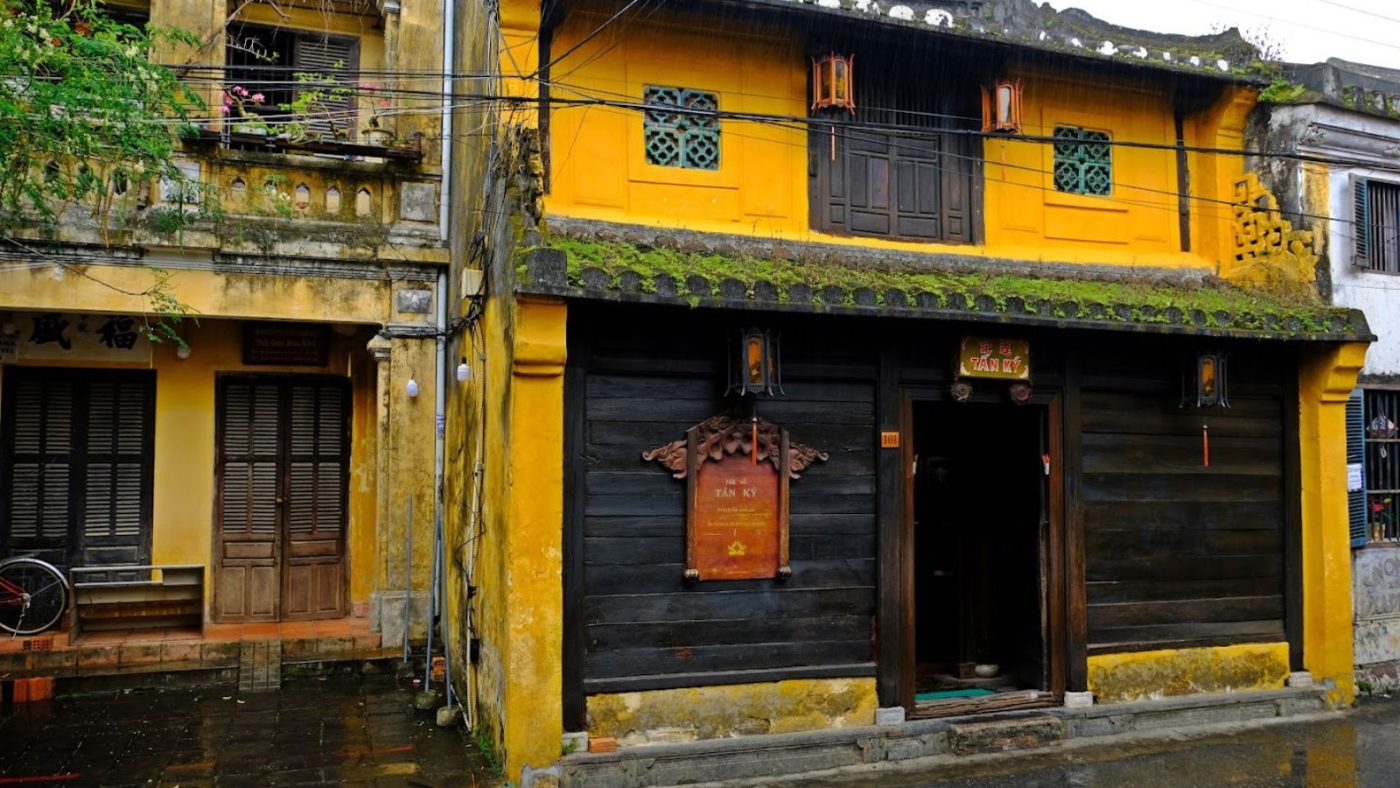
Tan Ky Old House stands as one of the most treasured heritage homes in Hoi An Ancient Town. This 200-year-old dwelling belongs to a 7-generation Le family, and it still holds its original charm today.
Walking through its wooden doors feels like stepping into a different century. Visitors come here to learn about Hoi An old house history, admire rare antiques, and see a rare mix of Vietnamese, Chinese, and Japanese design.
This guide covers everything worth knowing before a visit, from its background to practical booking details.
History of Tan Ky Old House
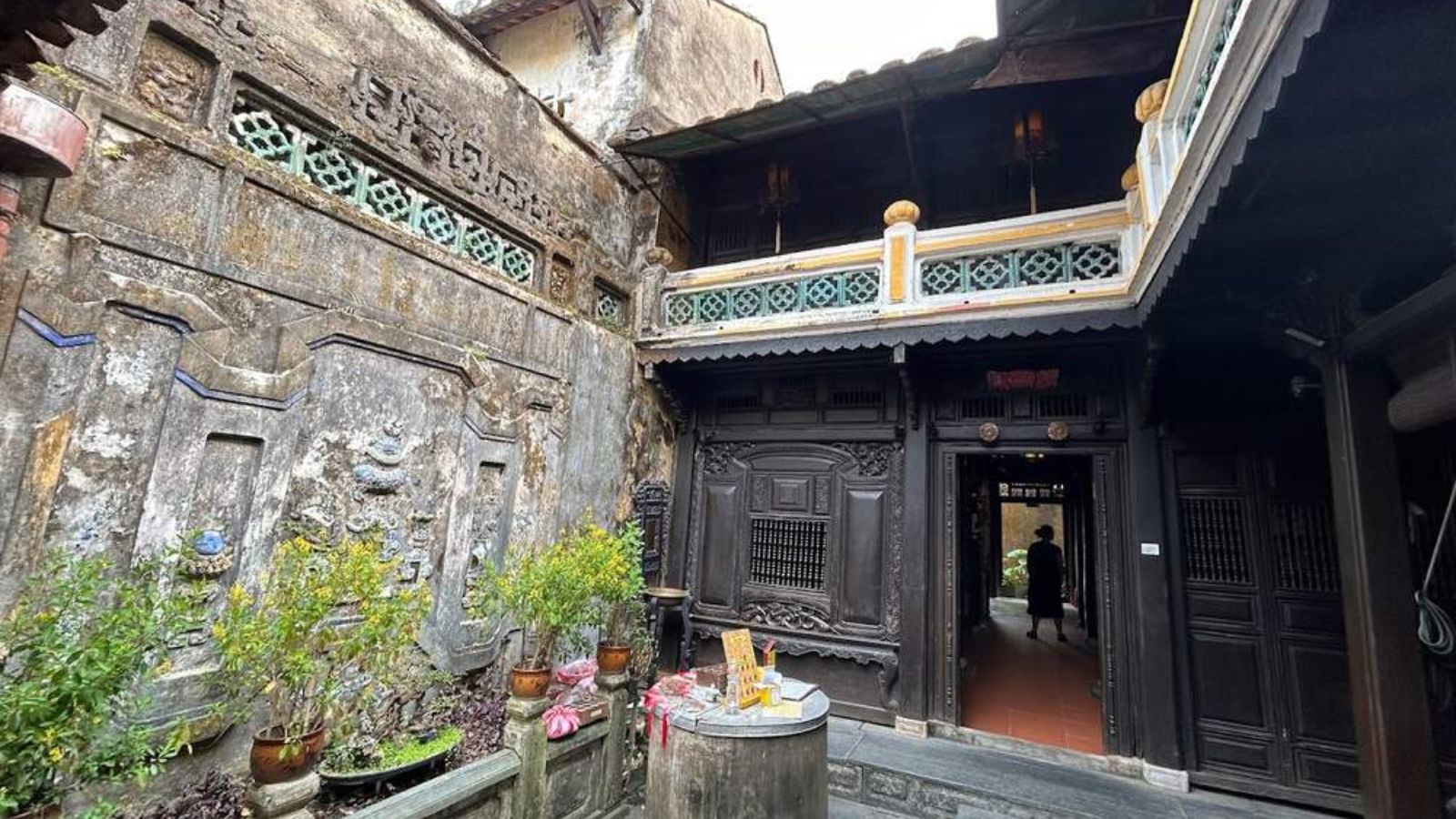
Tan Ky Old House was built in 1741. Back then, it served as a home and trading post for local and foreign merchants. Sailors and traders once exchanged goods right inside these walls. The name “Tan Ky” was not the original name, though. The second generation gave it that name, hoping for a prosperous future.
This house has stayed in one family for generations. The Le family has lived here and managed it with care. Some family members still live upstairs today. Meanwhile, the ground floor stays open for visitors to explore. In 1961, a massive flood damaged the house badly. Somehow, the structure survived and kept most of its original charm.
The Ministry of Culture and Information recognized the residence as a National Heritage Site in 1985. Later, in 1990, it gained full recognition under the UNESCO world heritage system. This confirmed its cultural and historical value. It remains one of the few homes in Vietnam with this kind of status. That alone makes it a must-see for history lovers visiting central Vietnam.
Unique Architectural Fusion of The Old House
Vietnamese, Chinese, and Japanese Architectural Blend
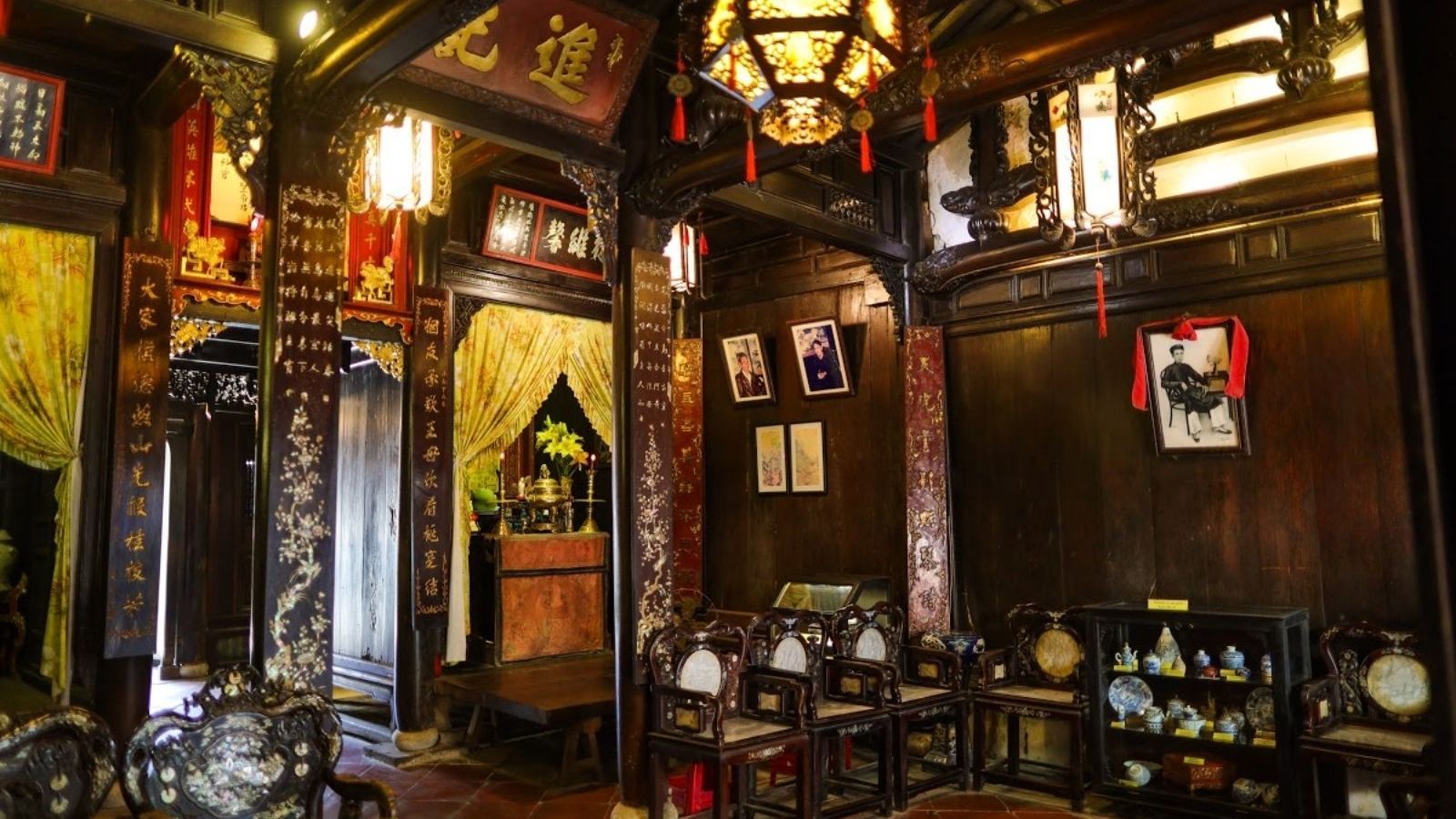
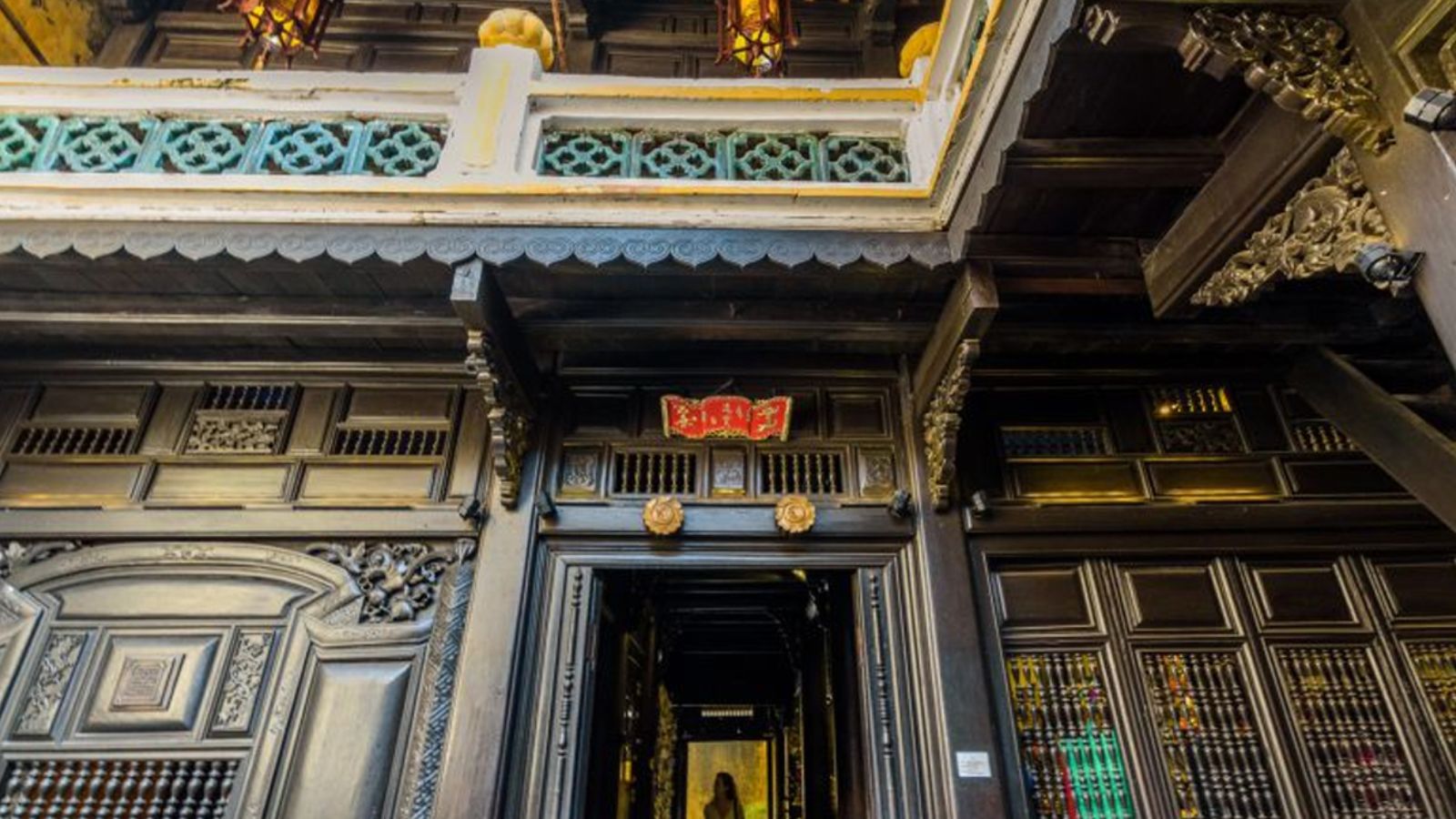
This house combines three distinct architectural traditions. Vietnamese influence shows through the timber-frame layout and yin-yang tiled roof. Chinese influence appears in the horizontal lacquered boards and carved parallel sentences. Japanese influence shows up in the flexible wooden frame system.
That system helps the house handle the humid central Vietnam climate. It creates an airy interior without needing large windows. Not many buildings from this era manage all three styles so seamlessly.
Materials and Construction Techniques
Builders used rare and durable wood for the frame. Stone came specifically from Thanh Hoa Province. Floor tiles were produced in Bat Trang Village, a place known for pottery craftsmanship.
Master artisans from Kim Bong carpentry village built the house by hand. Kim Bong craftsmen were famous across the region for precision woodwork. Their skill explains why this structure has lasted over two centuries without major decay.
The materials also give the house a unique climate advantage. It stays cool during summer and warm during winter. That’s a smart, practical detail hidden inside beautiful design work.
The Central Courtyard and Interior Layout
The house follows a tubular layout, typical of Hoi An’s ancient shophouses. Multiple rooms connect through narrow, elongated spaces. Despite having no windows, the air inside stays fresh and comfortable.
A bright central courtyard sits at the heart of the home. Sunlight filters gently through wooden shutters here. It illuminates the old brick floor and centuries-old carvings below. Standing there, you get why photographers love this spot so much.
Priceless Antiques and Cultural Artifacts Preserved Inside
Stepping inside feels like entering a real century-old antique display. The ground floor displays hundreds of rare treasures collected over two hundred years. Each item tells a compelling story about historical trade and philosophy.
- Confucius cup artifact: This rare ceramic cup is around 550 to 600 years old. It is the only known Confucius cup preserved in Vietnam today. The cup illustrates a Confucianism philosophy lesson about balance and moderation. If you fill the cup too full, all the liquid drains out the bottom automatically.
- Bach Lieu parallel sentences: This unique horizontal lacquered board contains exactly one hundred carved strokes. Each stroke resembles a bird in flight. It showcases extraordinary artistic skill from ancient calligraphers.
- 18th-Century Trading Relics: The family displays foreign trading relics in the front reception room. You can admire ancient Ty Ba ceramic vases, old cigarette pipes, and Chu Dau pottery.
The Old House of Tan Ky Practical Visitor Guide
Visiting this famous heritage site requires a little advance planning. The home sits at 101 Nguyen Thai Hoc Street in Hoi An Ancient Town.
- Opening Hours: The house welcomes guests daily from 8:00 AM to 5:00 PM. Morning sightseeing runs from 8:00 AM to 11:30 AM. Afternoon sightseeing runs from 1:30 PM to 5:45 PM.
- Ticket Prices: Including in Hoi An entrance ticket 120,000 VND/pax. (valid to enter 5 attractions inside the Old Town).
- Access Guidelines: Motor vehicles cannot enter this historic street zone. You can only access the property by walking or riding a bicycle.
- Visitor Rules: Smoking, chewing gum, and touching historical artifacts are strictly forbidden. Please keep noise levels low out of respect for the residents living upstairs.
- Guided Tours: The site provides free tour guide services for groups with more than eight visitors. A local guide helps explain historical details and family stories clearly.
After finishing your tour, you can walk to nearby landmarks easily. The iconic Japanese covered bridge landmark sits just three minutes away on foot. You can also visit the historic Phuc Kien Assembly Hall down the street. If you want to explore more hidden gems in Hoi An, check out this detailed local guide. It covers extra spots beyond the usual tourist trail.
We recommend visiting early in the morning to avoid large crowds. This allows you to photograph the beautiful timber details in peace. A neutral observation is that peak afternoon hours can feel somewhat crowded. However, the overall experience remains deeply rewarding for culture lovers.
