
Attractions
Thanh Ha Pottery Village: Location, Opening Hours, Tickets & Guide

Sep
Thanh Ha pottery village stands as one of the most remarkable historical destinations near Hoi An Ancient Town. This vibrant community offers a fascinating look into centuries-old traditions along the scenic Thu Bon River.
Visitors easily discover local craftsmanship, unique terracotta park exhibits, and interactive clay workshops. Planning a trip requires knowing essential visitor details like entrance fees, operating schedules, and local transport options.
History and Cultural Heritage of Thanh Ha Pottery Village
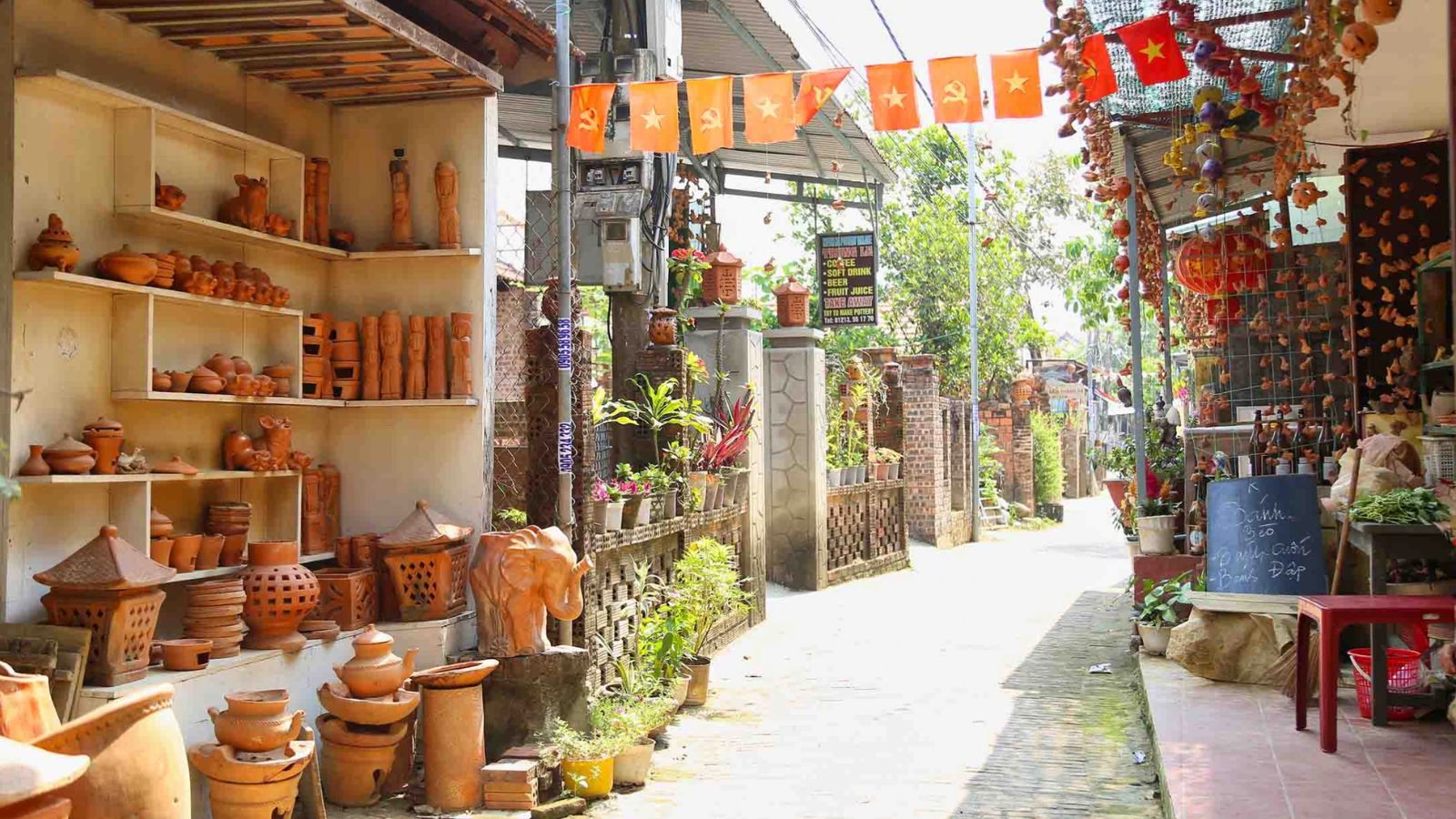
We love learning about the deep historical roots of the pottery village. The origin of this traditional craft village dates back to the 16th and 17th centuries. It flourished during Hoi An’s golden trading era as an international port hub.
Historically, local artisans produced durable building materials for the entire central region. The durable bricks and roof tiles shaped the unique architecture of Hoi An Ancient Town. Furthermore, skilled craftsmen traveled upstream to influence the construction of royal buildings in Hue.
- Artisans established the village along the riverbank in the 16th century.
- Production expanded rapidly to meet regional trade demands.
- Craftsmen supplied custom tiles for royal palaces and local homes.
- Modern potters preserve folk knowledge and specialized terminology today.
Vietnam recognized the site as a National Intangible Cultural Heritage in 2019. This designation protects centuries of specialized craft knowledge, oral traditions, and terminology. We appreciate how villagers actively showcase these traditions to every guest.
How Thanh Ha Pottery Is Made
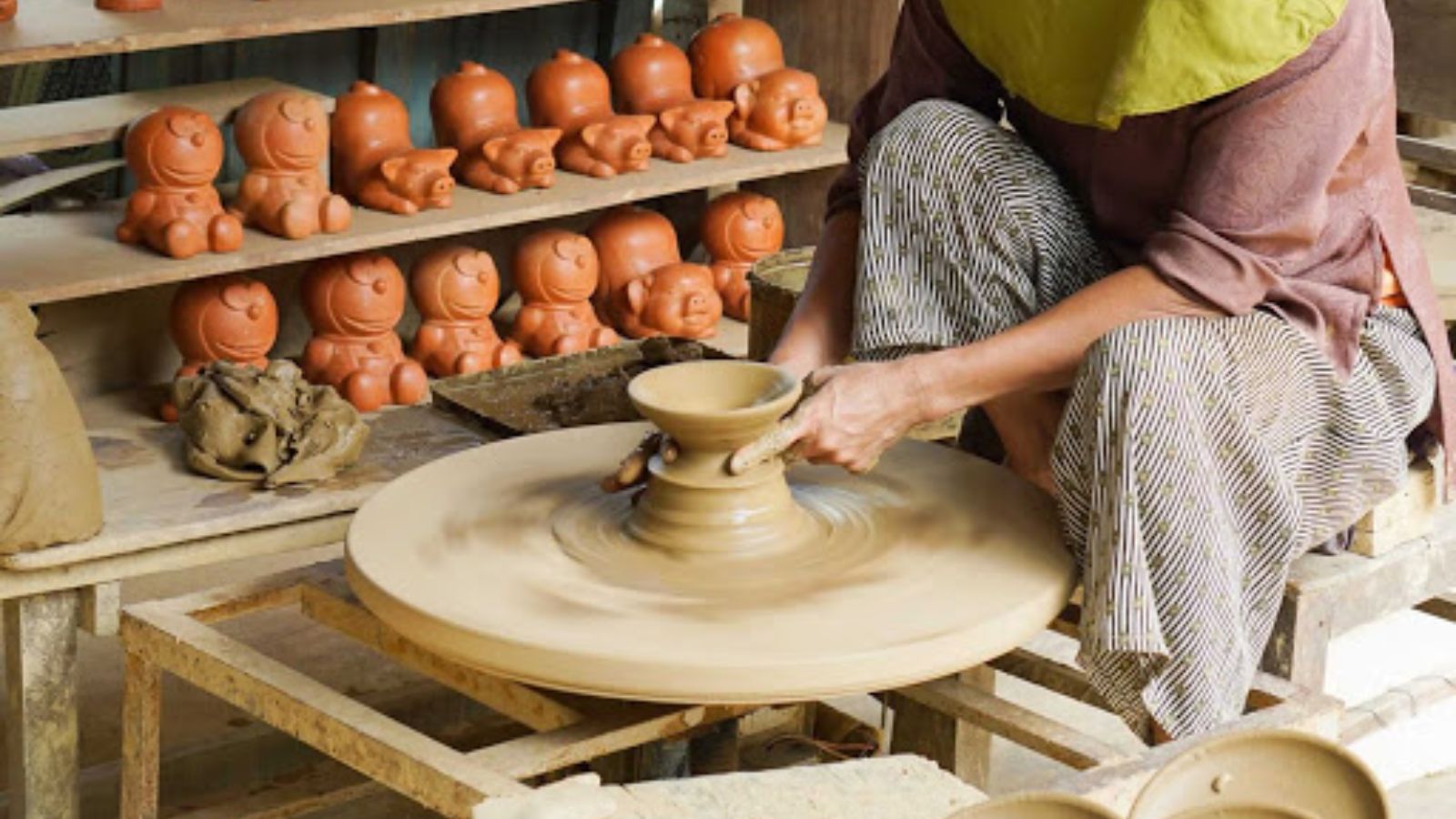
Clay Preparation and Shaping
Everything starts with high-adhesive yellow clay, pulled from riverine fields 50 to 100 centimeters deep. Workers mix the clay with water and knead it into lumps, repeating the process three times for a clean, pliable texture.
From there, artisans use a pottery wheel to shape the clay into greenware. It’s a slow, steady process that takes real skill to get right.
Drying, Glazing, and Firing in Traditional Kilns
Shaped pieces dry in the sun until partially hardened, then get refined for symmetry before full drying. For tiles, a glaze made from copper, lead, hematite, and kaolin gets applied before a second firing.
Firing happens inside rectangular, brick-walled traditional kilns with clay roofs. Each firing session burns through 5 to 7 cubic meters of wood. Interestingly, Thanh Ha pottery skips chemical glazes entirely. Color comes only from the clay itself and the wood-fired kiln process, producing natural reds, browns, and soft pinks.
Types of Thanh Ha Pottery Products
Traditional Everyday Pottery
Over 40 traditional products come out of this village, including:
- Jars with flared mouths and tapered bases
- Vases and pots
- Incense burners
- Candle holders
Art Pottery and Decorative Pieces
At least 33 types of art pottery exist here, often decorated with Chinese characters, geometric patterns, or business logos. Some pieces feature eggshell coatings. Examples include religious statues, wall-mounted lamps, architectural models, and ceramic masks.
Other Ceramic Items
The village also produces:
- Con thổi figures, shaped after zodiac animals
- Yin-and-yang roof tiles
- Brick tiles for construction
- Statues of kitchen gods
- Ceramic coffins for burial ceremonies
Top Things to Do at Thanh Ha Pottery Village
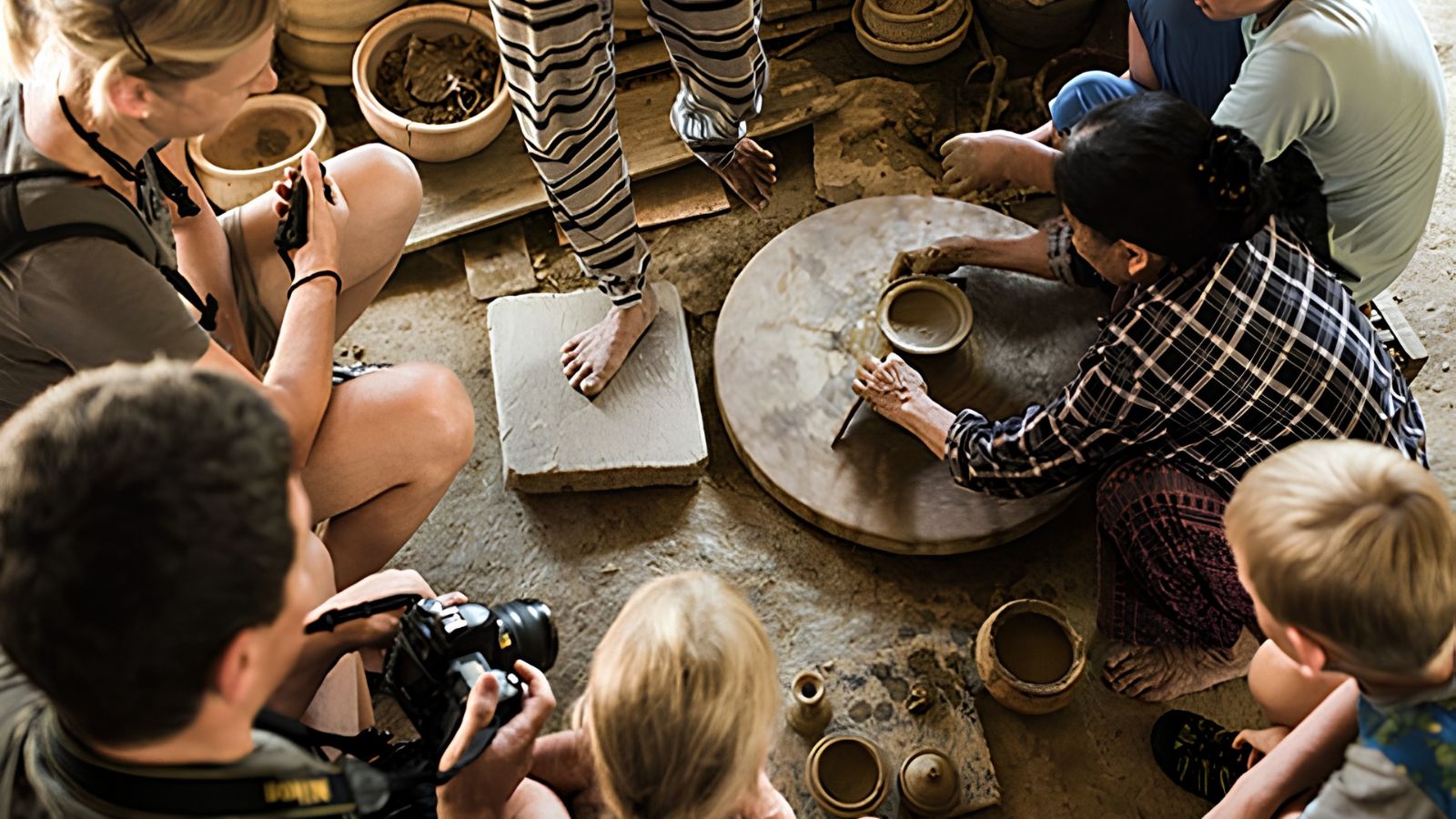
Try Hands-On Pottery Making with Local Artisans
This pottery making experience lets visitors sit at a wheel and shape their own bowl, mini pot, or figure. The fee runs around 100,000 VND per person, covering clay, guidance, and the finished piece to take home. It’s a hands-on demo that families and couples both enjoy.
Explore Thanh Ha Terracotta Park
Thanh Ha Terracotta Park spans 6,000 square meters and displays miniature ceramic models of landmarks like the Eiffel Tower and the Great Wall. Adult tickets cost 50,000 VND. A massive clay kiln sits at the center, surrounded by a history room and photo-friendly zones.
Watch Traditional Kilns in Action
Walking through the village, visitors can see wood-fired kilns still running. Watching the process firsthand feels far more real than reading about it, and honestly, it beats any online demo or video.
Shop for Handmade Pottery Souvenirs
Popular pottery souvenirs include mini vases, tea sets, and zodiac figurines. Small items run 50,000 to 150,000 VND, while larger pieces cost 200,000 to 500,000 VND. I’d suggest checking the base and glaze before buying, just to be safe.
Take a Boat Ride on the Thu Bon River
A Thu Bon River boat ride costs 50,000 to 200,000 VND, depending on group size, and lasts 30 minutes to an hour. Late afternoon rides catch golden light over the water, which makes for stunning photos.
Thanh Ha Village Essential Visitor Information
Finding your way to Thanh Ha pottery village is simple and convenient for every traveler. The village is situated on Nam Dieu Street in Thanh Ha Commune. This location places it just 3 kilometers west of Hoi An Old Town.
The village maintains daily operating hours from 8:30 AM to 4:30 PM. Since it functions as an active residential craft community, locals live and work here every day. We recommend visiting in the morning or early afternoon for the best experience.
- Adult ticket fee: 35,000 VND
- Child ticket fee: 15,000 VND
You can choose several enjoyable transportation routes to reach the destination. A bicycle ride or motorbike journey along Hung Vuong Street takes roughly 10 to 15 minutes. Alternatively, taking a taxi provides quick comfort. You can also book a scenic 30-minute boat ride along the Thu Bon River. If you want more detailed itinerary ideas, check out our comprehensive guide to visiting Hoi An.
Best Time to Visit Thanh Ha Pottery Village
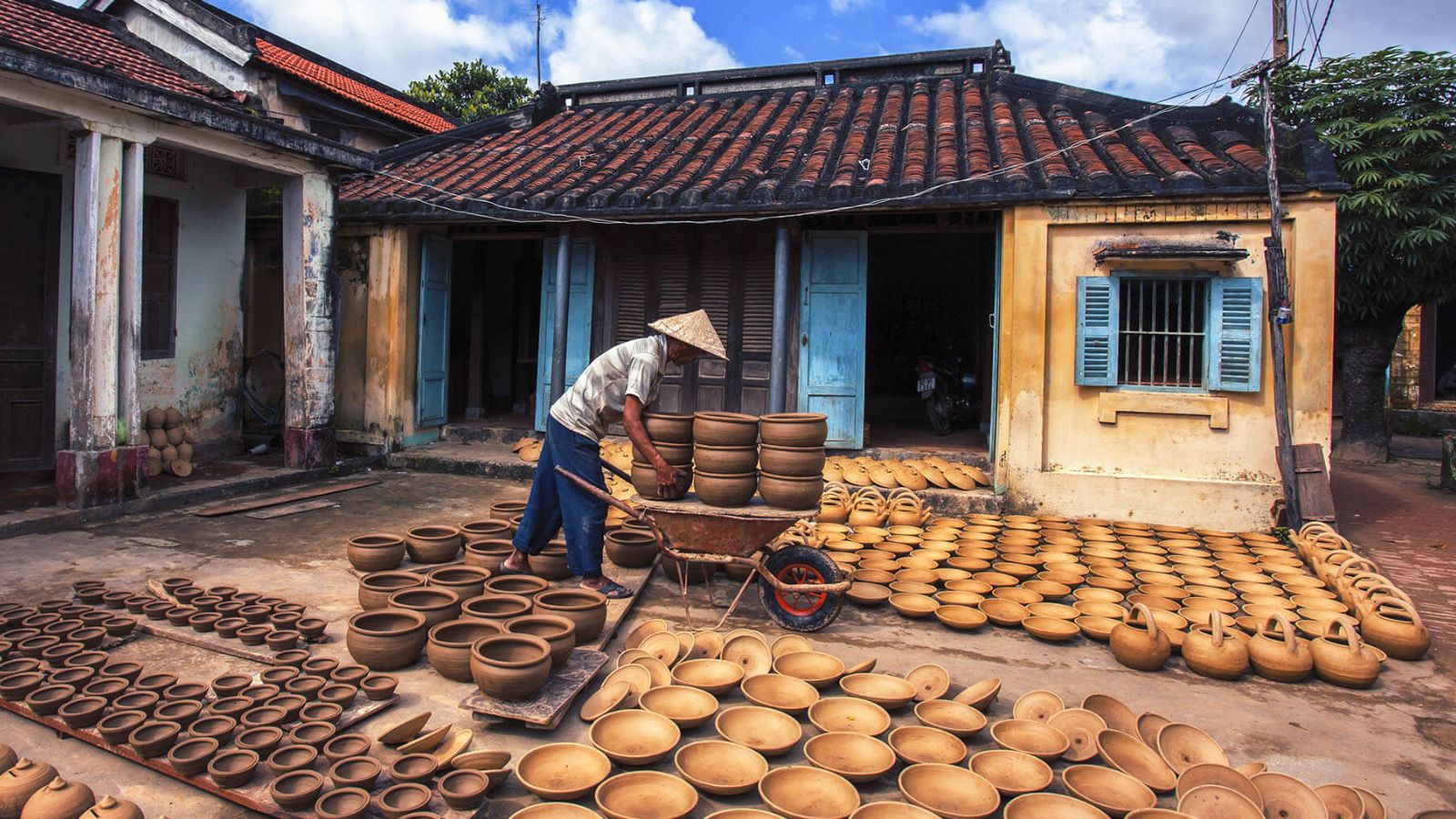
February to August brings dry, sunny weather, which is ideal for outdoor pottery-making sessions. The rainy season, from October to December, brings fewer crowds and a quieter mood, though roads can get slippery.
Within a single day, mornings or early afternoons work best. Lighting is soft, and there’s plenty of time to explore before things wind down. I’d avoid showing up after 4:30 PM, since most pottery activities close by then.
Exploring Nearby Attractions and Cultural Sites in Hoi An
Combining your trip with nearby cultural sites maximizes your travel day. Because the site sits near major landmarks, navigating between attractions is effortless. You can quickly return to Hoi An Ancient Town after your morning workshop.
The scenic Thu Bon River connects many historic artisan sites nearby. For example, you can visit Tra Que Vegetable Village to learn about organic farming. Each destination highlights authentic local culture and traditional Vietnamese lifeways.
Expanding your regional travel itinerary allows you to explore Central Vietnam fully. You can organize day trips to ancient ruins or modern hill resorts.
- My Son Sanctuary: Explore ancient Champa temples nestled in a lush valley.
- Ba Na Hills: Experience famous cable cars and stunning mountain views.
- Hue Imperial City: Discover grand palaces built with historic Thanh Ha tiles.
We believe visiting Thanh Ha pottery village offers the perfect cultural getaway. You gain rich insights into traditional craftsmanship while supporting local artisan families directly. Plan your visit today to create lasting memories along the Thu Bon River!
