
Exploring Bach Ma National Park: Vietnam’s Untouched Wilderness
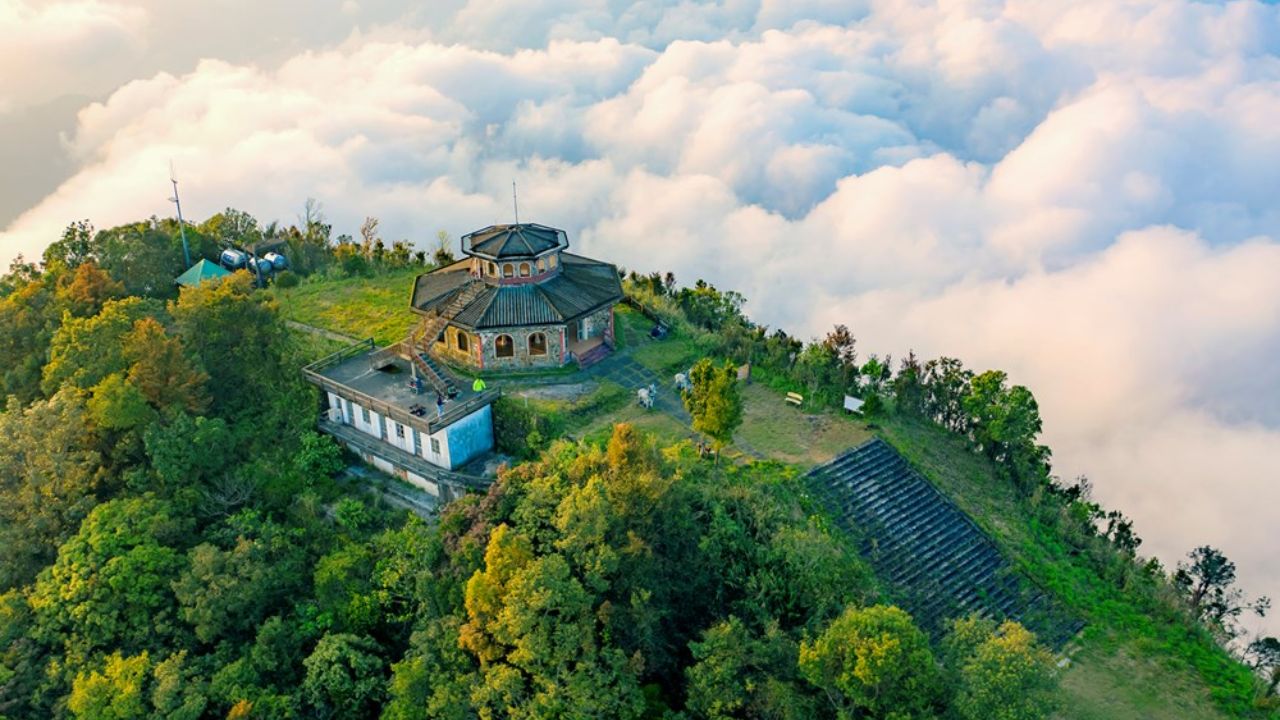
Tucked quietly between Hue and Da Nang, Bach Ma National Park is one of Central Vietnam’s most underrated gems. The park packs misty mountain peaks, thundering waterfalls, and dense cloud forests into a compact area that is surprisingly easy to reach.
For travelers seeking adventure beyond the usual sights, exploring this biodiversity hotspot is easily one of the region’s most rewarding outdoor experiences. It’s a complete refresh for the senses, allowing you to conquer high summits and swim in crystal-clear natural pools
Bach Ma National Park Introduction
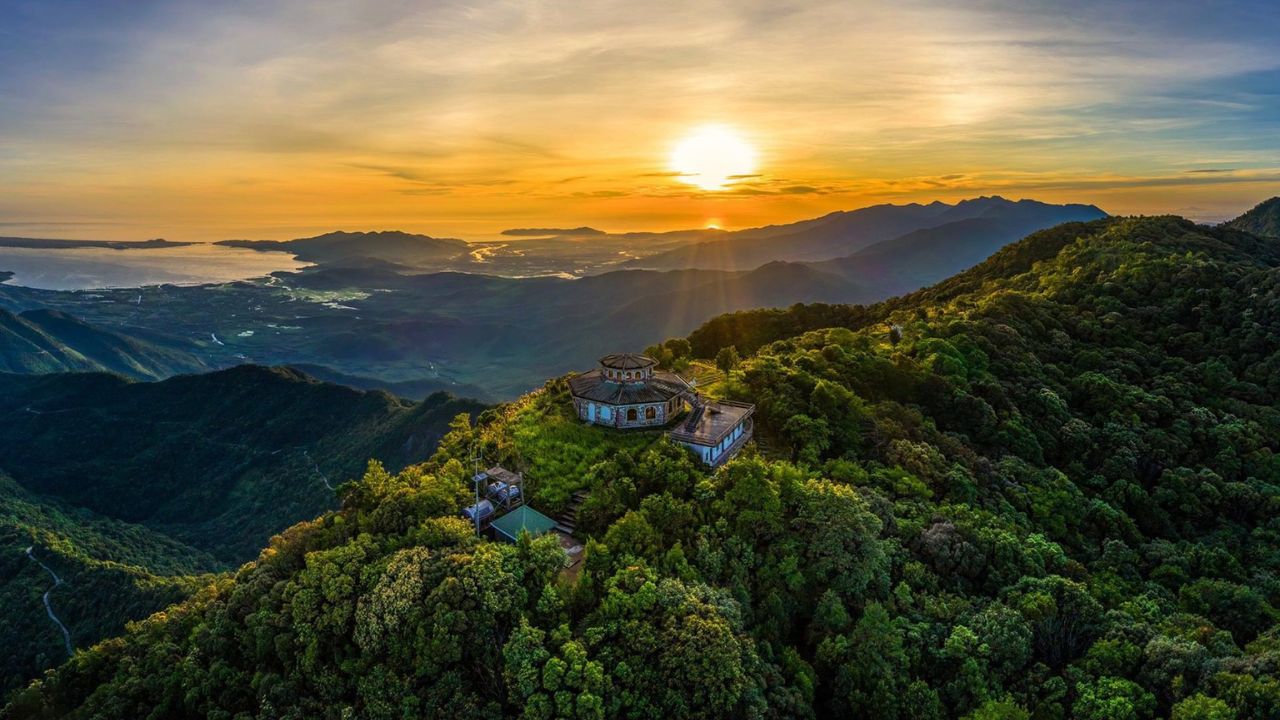
Location Between Hue and Da Nang
The park sits almost exactly halfway between the two cities, tucked into the Annamite Mountains near Lang Co. Distance figures vary depending on the route you take.
Some sources put it around 44.7 kilometers from Hue (about an hour by car) and roughly 60 kilometers from Da Nang (about 90 minutes). Other measurements list it as 60 kilometers from Hue and 65 kilometers from Da Nang. Either way, it’s a manageable day trip from both cities.
Size, Elevation, and Park Zones
The park covers about 220 square kilometers, split into three zones: a strictly protected core area, an administrative zone, and a buffer zone around the edges. Bach Ma Peak, also called Hai Vong Dai, rises to roughly 1,450 meters above sea level, making it the highest point inside the park.
A Brief History, From French Hill Station to National Park
Back in the 1930s, French colonists transformed this cool mountain peak into a hill station retreat. They built over a hundred villas, walking paths, and even a local post office.
Fast forward through decades of conflict and ecological disruption, and the area was finally designated an official national park in 1991. Walking past the crumbling villa ruins today feels a bit like stepping into a forgotten chapter of history, half-swallowed by vines.
How to Get to Bach Ma National Park from Hue and Da Nang
Getting to the park entrance is straightforward whether you start in Hue or Da Nang. If you travel from Hue, drive about 60 kilometers south along National Highway 1A toward Phu Loc District.
Keep an eye out for the clear blue directional sign pointing right toward the park. If you come from Da Nang, head north for 65 kilometers, passing the scenic Hai Van Pass before connecting to the main entrance road near Truoi Lake.
You have a few choices for transportation:
- Private Car: The most comfortable option, especially if you want to relax after a long day of hiking.
- Motorbike: Great for budget travelers, though driving all the way up the mountain yourself requires strong riding skills.
- Guided Day Tours: Convenient shuttles that include round-trip transit and a local guide who knows the terrain.
Once you reach the main gate, remember that you cannot just drive any standard vehicle up to the top. The park enforces strict transit rules for the steep 16km mountain road leading to the summit. Visitors must either hire an official park 4×4 vehicle or walk up if they have the extra energy.
If you’re also exploring the ancient capital, pairing this trip with a broader look at top experiences around Hue rounds out your itinerary nicely.
Best Time to Visit Bach Ma National Park
Dry Season vs Rainy Season
The best window to visit runs from December to April, during the dry season. Rainfall drops, temperatures stay cool, and trails are far less slippery. Visiting outside this window isn’t impossible, but you’ll likely deal with muddy paths and reduced visibility at the summit.
What to Expect Each Season
Spring brings blooming rhododendrons and azaleas along the trails, especially near Do Quyen Waterfall, with comfortable, cool weather throughout.
Summer offers a welcome mountain breeze that cuts through the heat. Autumn tends to bring clear skies and pleasant hiking conditions, while winter delivers misty, atmospheric landscapes with noticeably fewer crowds. If quiet trails and moody scenery sound appealing, winter might actually be your season.
Top Attractions and Things to Do
Bach Ma Peak and Hai Vong Dai Viewpoint
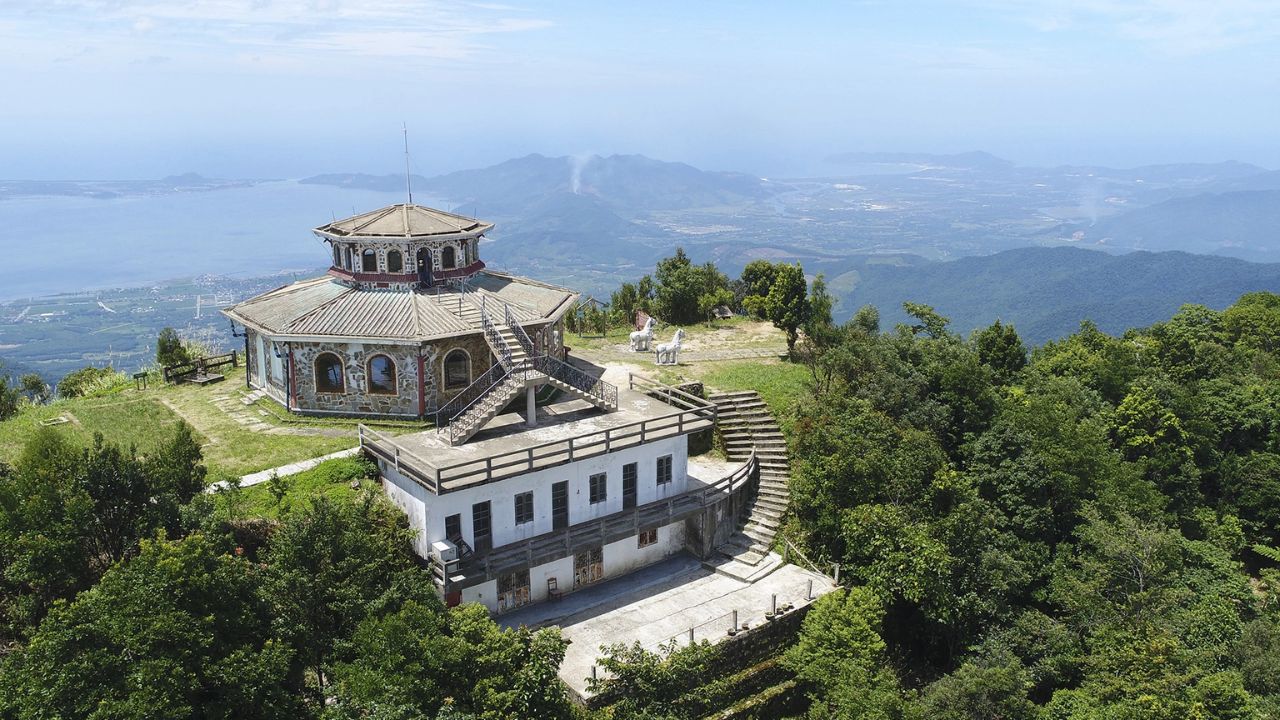
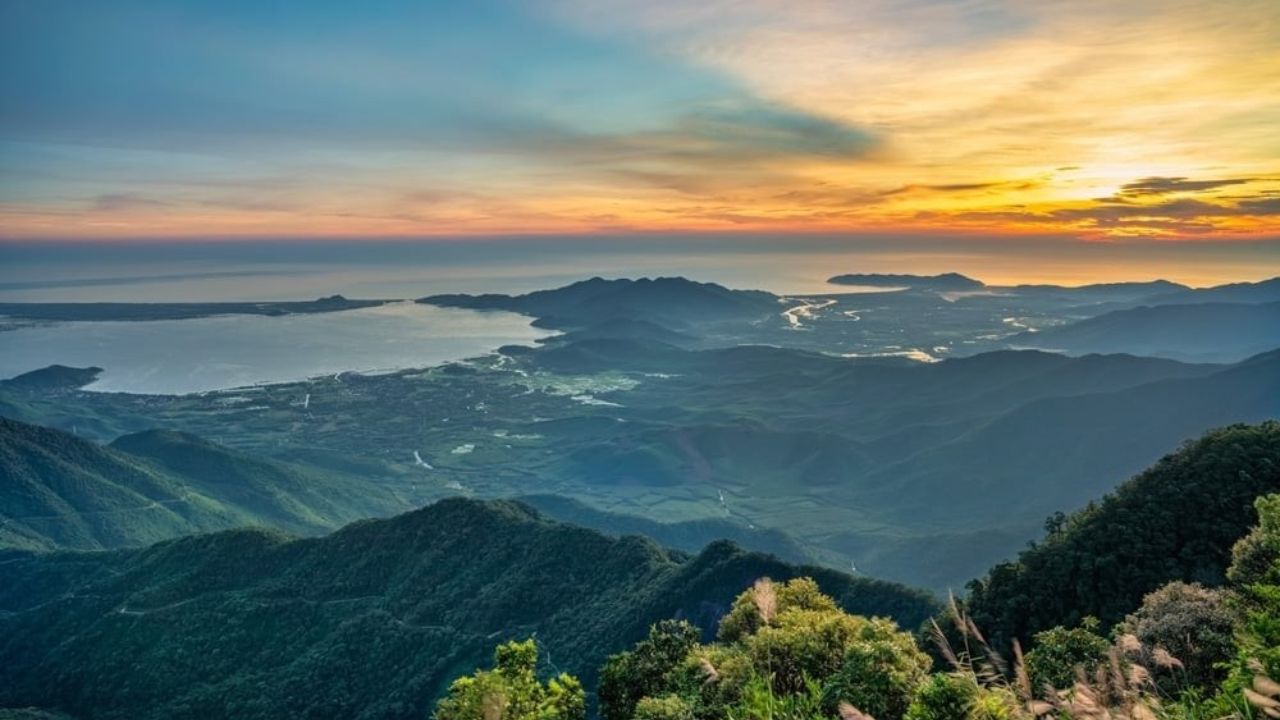
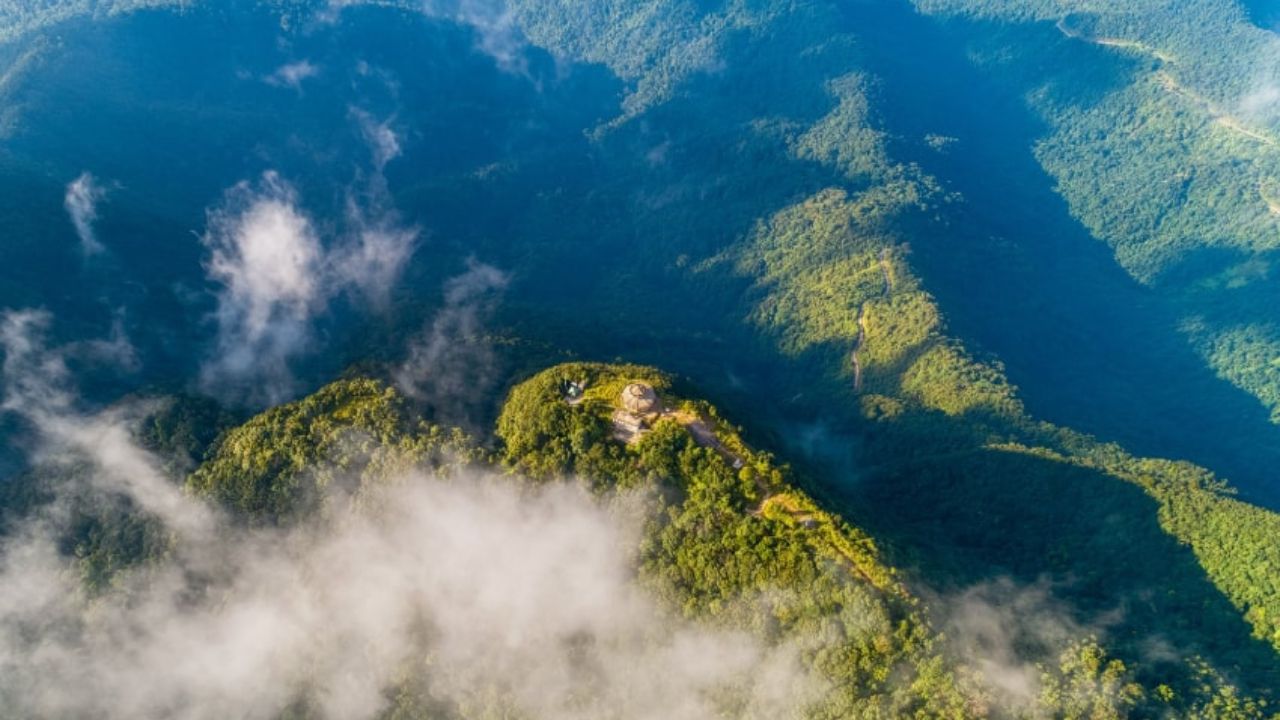
Standing at 1,450 meters, Hai Vong Dai rewards you with sweeping views over the East Sea, Lang Co Beach, Hai Van Pass, Truoi Lake, Cau Hai Lagoon, and Chan May Port. On misty mornings, clouds drift below the viewing platform, and it genuinely feels like you’re standing above the sky itself. The drive from the entrance takes about 30 minutes, followed by a short walk to the top.
Do Quyen Waterfall
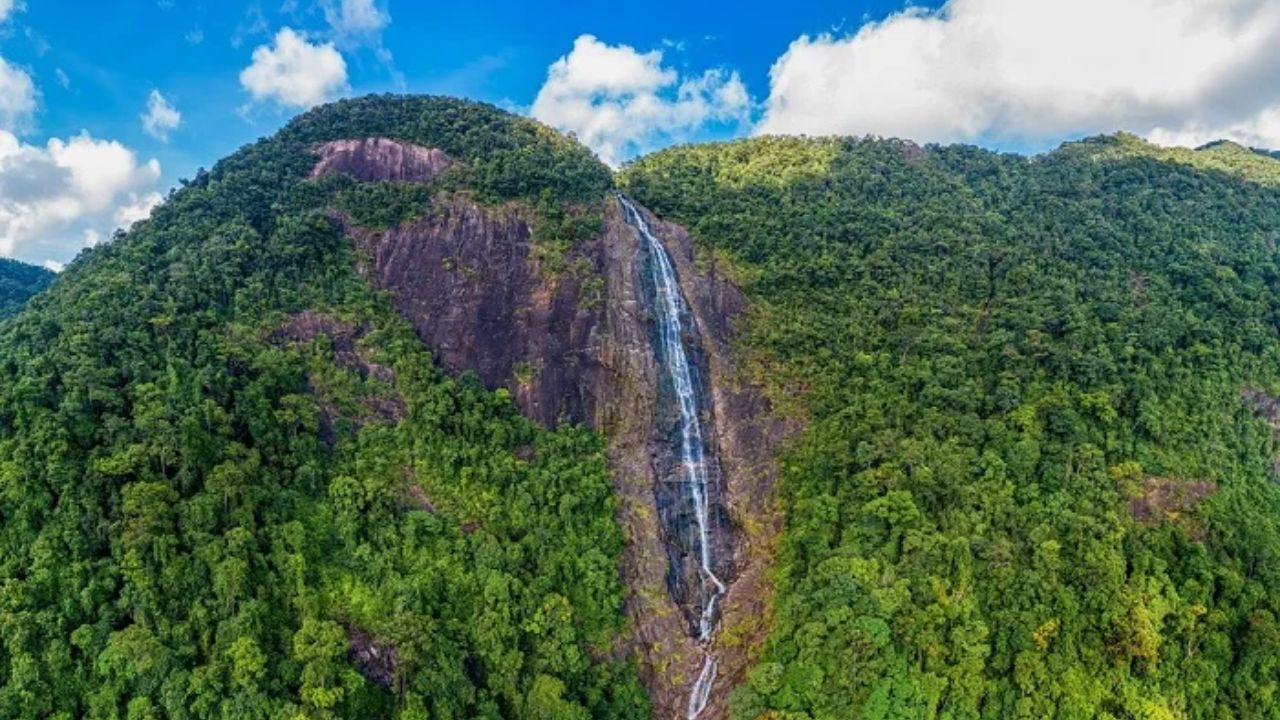
Do Quyen Waterfall drops more than 300 meters into a forested ravine, making it one of the most striking sights in the park. Reaching the base means descending roughly 600 steps, which takes about 30 to 45 minutes. It’s a workout, no doubt, but the view from below makes it worthwhile.
Ngu Ho (Five Lakes)
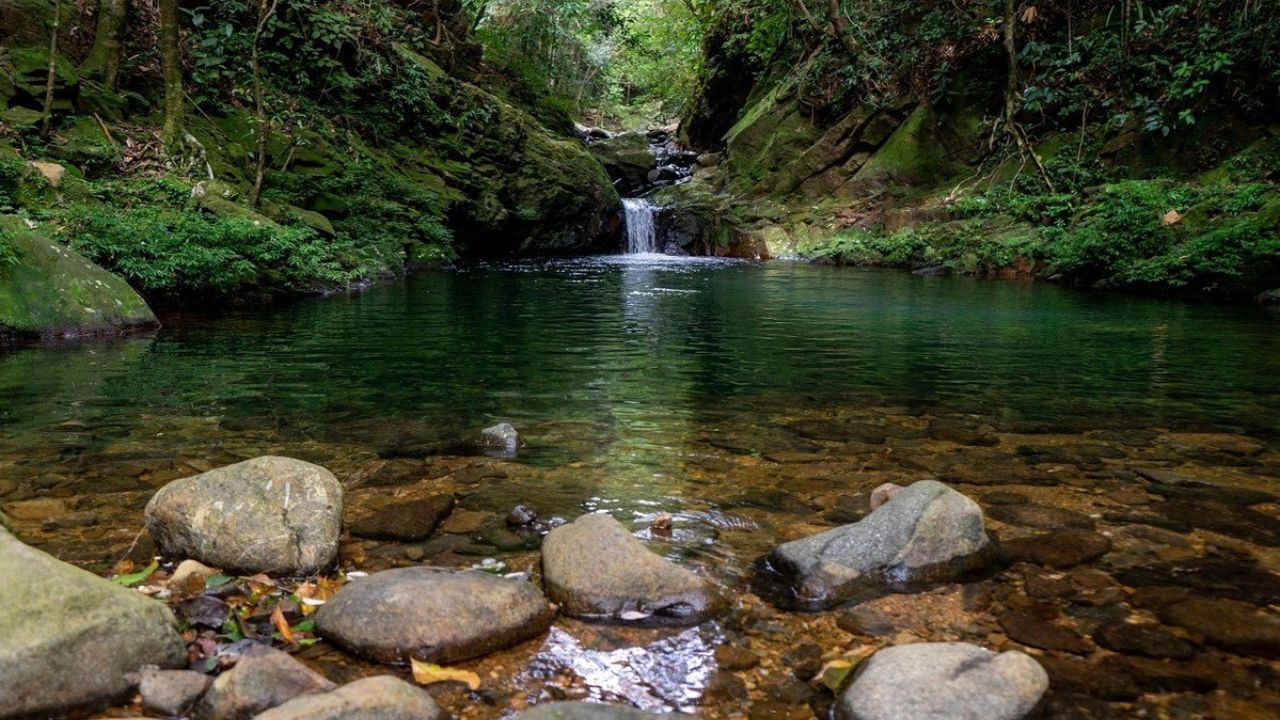
Located about 2 kilometers from the peak, Ngu Ho, or Five Lakes, is a cluster of five interconnected pools at different elevations. The third lake is often called the most beautiful, shaped like a full moon. This spot is popular for a quick swim after a long trek, and the rocky terrain around it adds a nice contrast to the calm water.
Truc Lam Bach Ma Zen Monastery
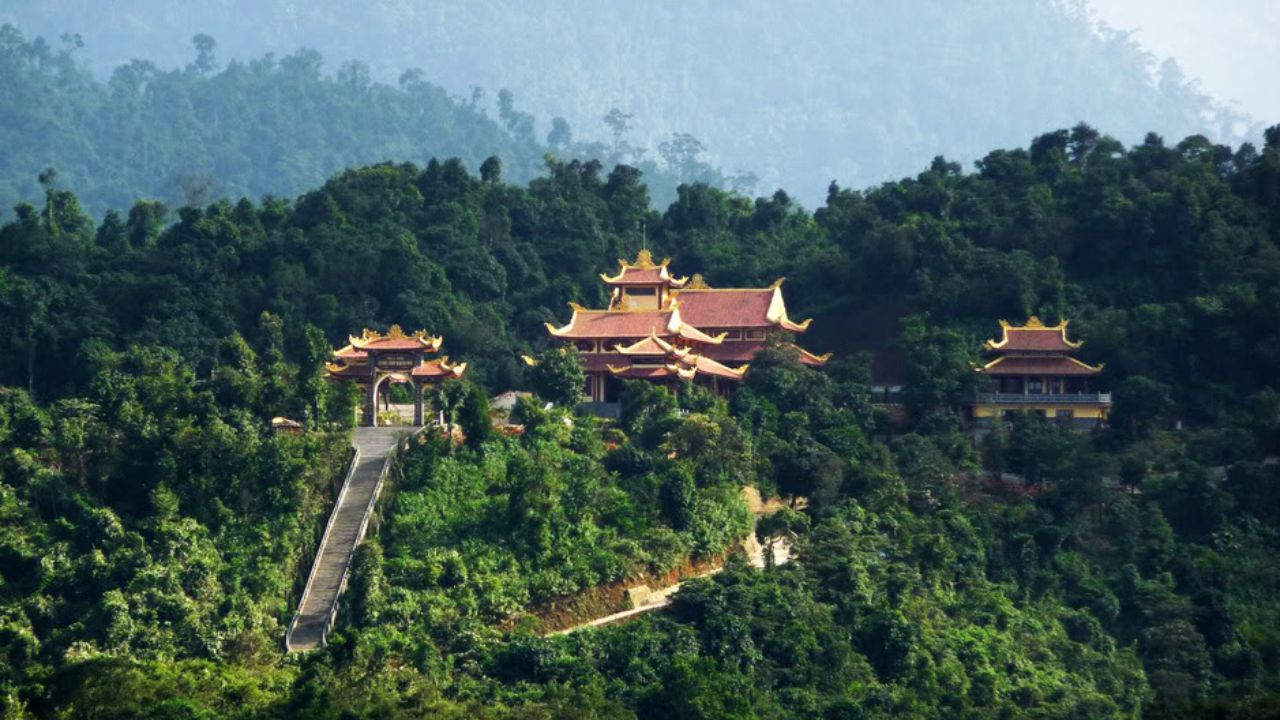
Located near the foot of the mountain, Truc Lam Zen Monastery sits peacefully on Truoi Lake. Reaching the temple requires a pleasant boat ride across the water, followed by climbing 172 stone steps. Once at the top, a striking Buddha statue height of 24 meters overlooks the calm water and surrounding green hills.
Old French Villas and Summit Station
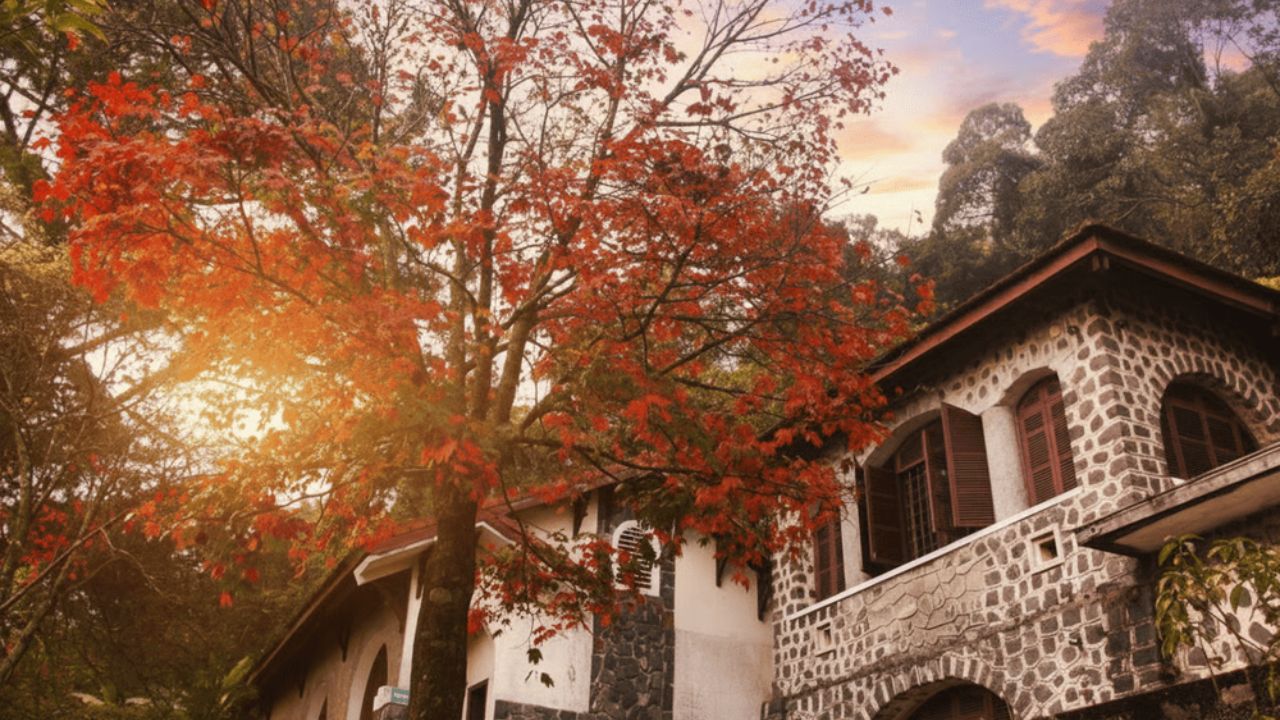
Scattered along the ridge near the summit are the remains of French-era villas, once part of a colonial hill station retreat. Moss-covered walls and broken windows now sit in quiet decay, and exploring them takes less than 30 minutes from the summit trail.
Trekking Trails and Difficulty Levels
Easy and Family-Friendly Routes
If you’re traveling with kids or simply prefer a relaxed pace, coastal-facing trails near the lower elevations give you glimpses of the sea framed by forest. These gentle paths work well for casual photo walks and don’t demand much physical effort.
Moderate and Challenging Trails
For more demanding routes, the Five Lakes trail takes about two hours and crosses rocky, occasionally slippery terrain, so sturdy footwear matters here. The descent to Do Quyen Waterfall is steeper and requires a reasonable fitness level. Meanwhile, deeper mountain expeditions into the Annamite range suit travelers chasing dramatic ridgelines and a real sense of adventure.
Wildlife and Biodiversity in the Semi-Tropical Rainforest

One reason we love this park so much is its raw ecological richness. Bach Ma National Park serves as an essential nature conservation corridor connecting coastal lagoons to dense mountain forests. The park covers a total surface area of 220 square kilometers, split into a strictly protected core area, an administrative area, and a buffer zone.
| Wildlife Category | Known Species Count in Park | Notable Examples |
|---|---|---|
| Plants | 2,089 species | Parashorea stellata, Hopea siamensis, Azaleas |
| Birds | 363 species | Vietnamese Crested Argus, Edwards’s Pheasant |
| Mammals | 133 species | Red-shanked Douc Langur, Truong Son Muntjac |
| Reptiles & Amphibians | 134 species | Forest frogs, montane lizards |
| Fungi | 332 species | Bracket fungi, forest floor mushrooms |
The park is a sanctuary for rare mammals like the colorful Red-shanked Douc Langur and the elusive Truong Son Muntjac. Historically, Asian elephant herds even used these forested valleys as natural corridors. Birdwatchers will also be in paradise here, as the forest protects endemic species like the Vietnamese Crested Argus and the rare Edwards’s Pheasant.
Entrance Fees, Opening Hours, and Practical Rules
Here’s the practical stuff, stated plainly:
- Opening hours: 7:00 AM to 5:00 PM daily
- Entrance fee: 60,000 VND per adult, 30,000 VND per child
- Camping fee: 30,000 VND per adult
Stick to marked trails, follow posted park guidelines, and avoid disturbing wildlife. These rules exist to protect fragile ecosystems that took decades to recover after wartime damage.
What to Pack and How to Prepare
A little preparation goes a long way here. I’d suggest packing:
- Sturdy hiking shoes or sports shoes for uneven forest trails
- Lightweight, moisture-wicking clothing plus a light jacket for the cooler summit air
- Rain gear, especially outside the dry season
- Insect repellent and long socks to guard against mosquitoes and leeches
- Sun protection: hat, sunglasses, and sunscreen
- Snacks and plenty of drinking water
- A small daypack, since mobile coverage can be spotty in parts of the park
FAQs About Bach Ma National Park
Is Bach Ma National Park worth visiting?
Yes. Between the waterfalls, summit views, and rare wildlife, it offers a mountain experience that’s genuinely different from the coastal and city attractions nearby.
How long does it take to explore the National Park?
Most visitors comfortably see the highlights in a single day trip, though those wanting to explore deeper trails might prefer an overnight stay.
Can beginners hike in Bach Ma National Park?
Definitely. Easier coastal trails and shorter walks near the summit suit beginners, while steeper routes like the Do Quyen descent are better suited to more active hikers.
When is the best time to visit Bach Ma?
December through April offers the most reliable weather, with cooler temperatures and less rainfall than the rest of the year.
Bach Ma National Park isn’t flashy, and that’s exactly its charm. It rewards travelers who want quiet forest trails, dramatic viewpoints, and a slower pace than the usual tourist circuit. Whether you’re chasing waterfalls, birdwatching at dawn, or simply craving cooler mountain air after days in Hue’s heat, this park delivers.
