
Travel Guide
Best Time to Visit Hoi An: Weather, Seasons, Activities & Tips

Sep
Planning a trip to Vietnam often starts with one question. When is the best time to visit Hoi An?
This ancient town charms visitors all year round, but timing changes everything. Weather shapes which beaches open up, which festivals light up the streets, and which historic sites feel most comfortable to explore. Understanding Hoi An’s seasons, temperatures, and travel patterns helps any traveler build a smarter itinerary.
Below, this guide breaks down the dry season, the wet season, month-by-month weather, and the best activities for each stretch of the calendar.
When Is the Best Time to Visit Hoi An?
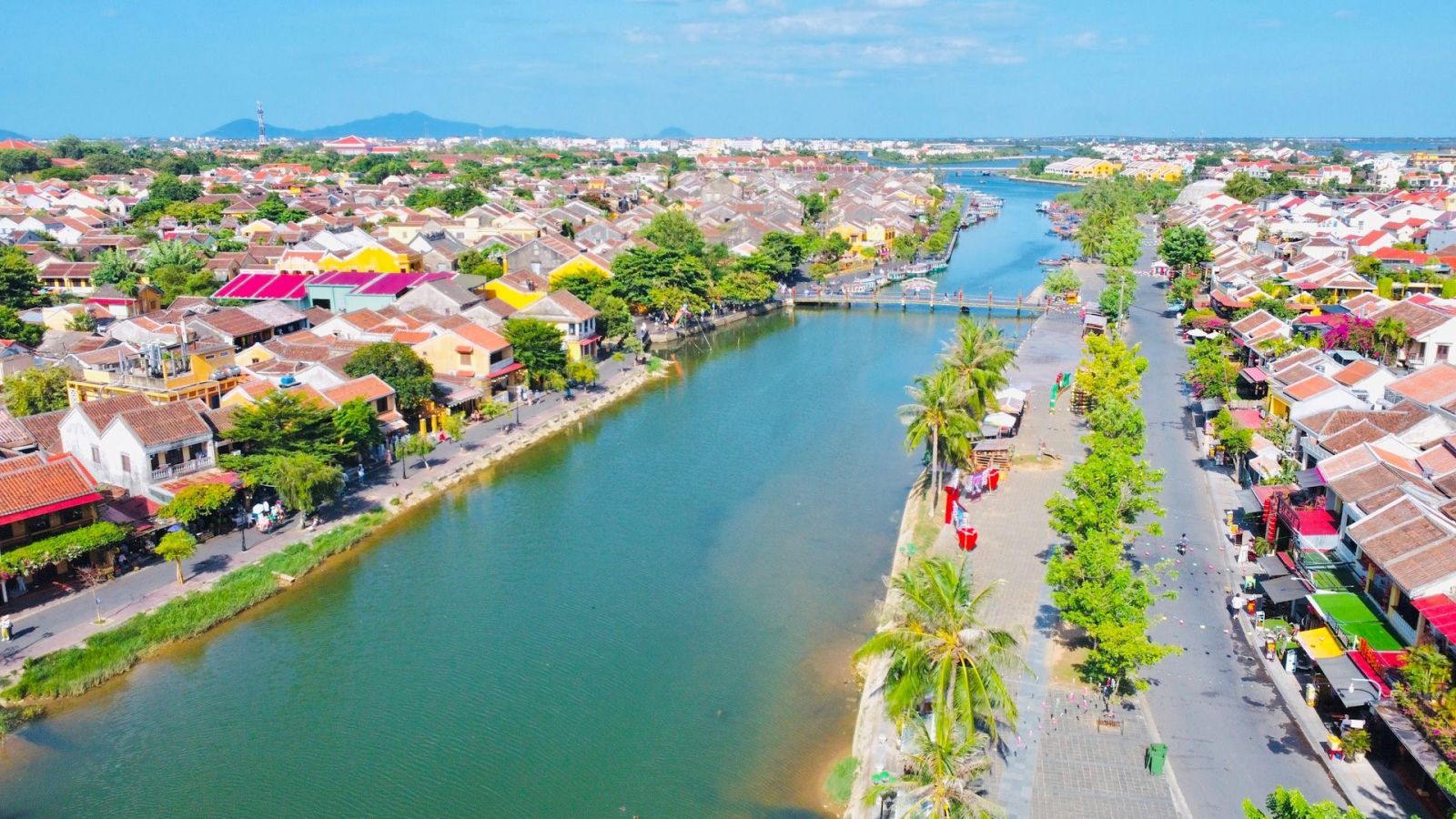
Finding the best time to go Hoi An for great weather usually points straight to the dry months. Peak dry season conditions run from February to August. During this period, you get clear skies and warm sunshine. Rainfall stays remarkably low throughout these months.
We find the ideal weather window happens between February and April. Temperatures stay cool and comfortable, ranging from 18 to 27°C. Humidity remains low, making it super easy to walk around.
When summer arrives, the heat ramps up significantly. The hot summer peak spans from May to August. Temperatures can climb up to 36°C. For example, like visiting the coast during a heatwave, this hot weather is ideal for coastal trips and outdoor exploration. You can easily spend your afternoons swimming and relaxing outdoors.
Hoi An’s Two Main Seasons Explained
Dry Season (February–August)
The Hoi An dry season runs from February through August. Early months bring gentle sunshine and light rain. By May, temperatures climb toward 32–34°C, with only occasional short showers. This stretch is Hoi An’s unofficial peak tourist season, so flights and hotels fill up fast.
Wet Season (September–January)
The Hoi An rainy season lasts from September to January. Expect heavy rain, sometimes paired with typhoons and floods. This period counts as the off-peak season, meaning smaller crowds and lower prices. I don’t like recommending outdoor day trips during peak storms, but indoor cultural visits still work beautifully.
Hoi An Weather by Month

January
Cool and misty (18–24°C) with soft morning haze and occasional light drizzle. It offers a quiet, contemplative atmosphere with glowing evening lanterns before major festival crowds arrive.
February
Warm, dry, and bright (23–27°C). Sharp sunlight and clear skies create ideal conditions for countryside cycling, viewing early flower blossoms, and joining Tet (Lunar New Year) festivities.
March
Sunny and warming (25–30°C). Rising humidity makes it perfect for early beach outings at An Bang or Cua Dai, golden-hour photography, and river boat trips.
April
Hot and vividly bright (28–33°C). Strong sunshine calls for early-morning heritage walks, refreshing coastal dips, and strolling lantern-lit alleys after sunset.
May
Hot and humid (32–34°C) with occasional short showers. Best suited for seaside dining, beach relaxation, and sipping iced drinks in shaded courtyards.
June
Peak summer heat with warm ocean waters. Ideal for diving and snorkeling around the Cham Islands, basket boat tours through Bay Mau Coconut Forest, and kayaking.
July
Tropical and steamy (30–34°C) with light late-afternoon showers starting to creep in. Great for early-morning river excursions and open-air evening dining.
August
Mostly dry (30–33°C) with late-month rain whispers. Lingering dusk light and diminishing crowd sizes offer a pleasant window before the autumn rains.
September
Transition period with moderating temperatures and regular afternoon showers. River levels rise and lush greenery turns the countryside into a vivid landscape.
October
Consistent rain and cooler air. Fewer tourists mean a quiet, atmospheric town where lantern reflections mirror in puddles and flooded alleys are navigated by small boats.
November
Humid and mild (22–27°C) with frequent rain bursts. Perfect for indoor heritage exploration, visiting historic merchant houses, cooking classes, and cozy dining.
December
Rainy with cool coastal breezes (mid-20s°C). Festive decorations, glowing lanterns, and warm local hospitality frame the ancient town in a unique, misty charm.
Best Time to Visit Hoi An for Specific Activities
Best Time for Beaches
An Bang Beach and Cham Islands shine brightest from April to August. Warm water, strong sun, and calm seas create perfect snorkeling conditions. I recommend this window for anyone chasing beach days and diving trips.
Best Time for Cultural and Historic Sites
Cooler months, especially October through December, suit indoor and heritage exploring. Sites like the Japanese Bridge, My Son Sanctuary, and old assembly halls feel comfortable without summer heat. Rain even adds atmosphere to these ancient stone structures.
Best Time for Festivals
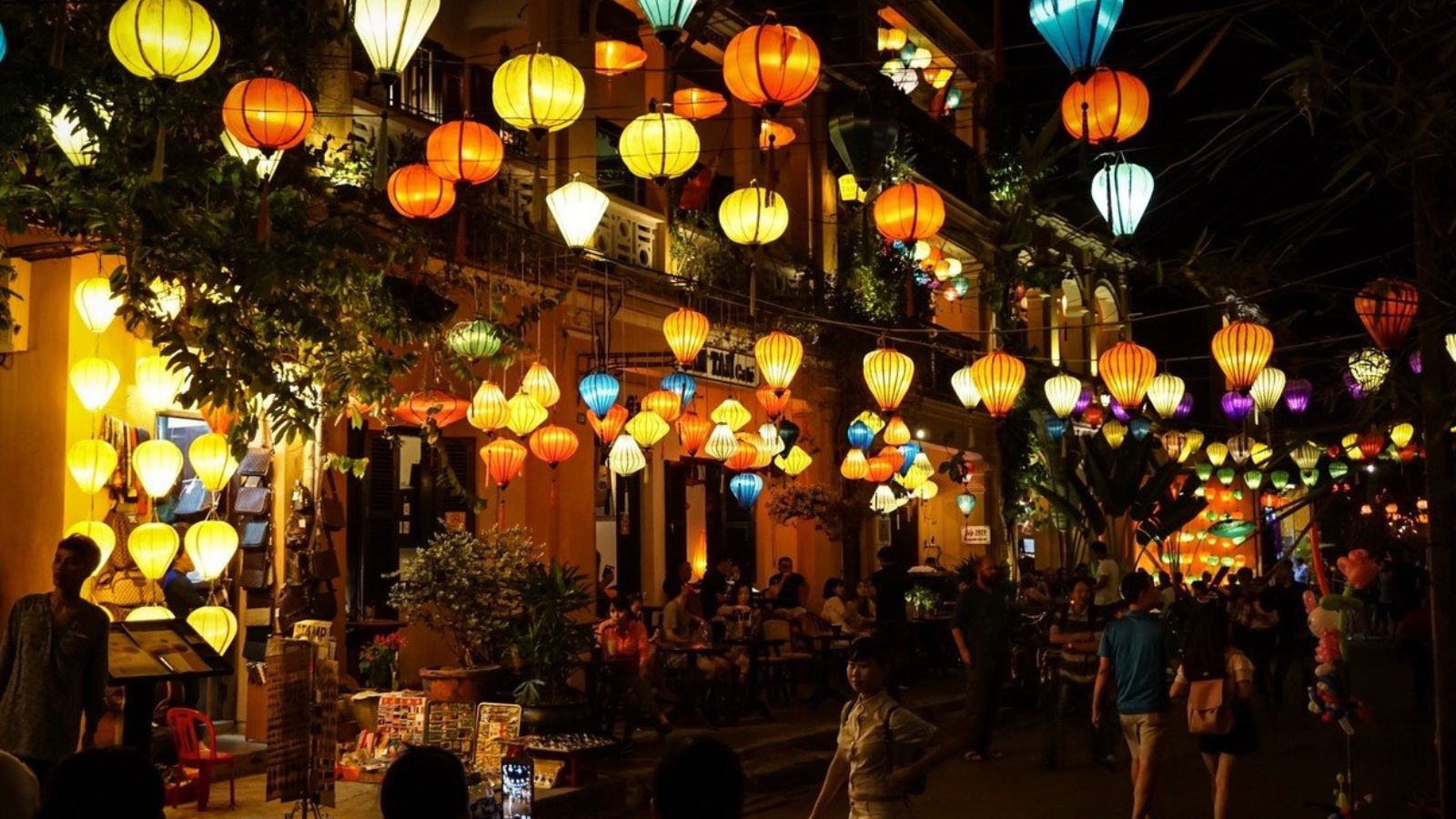
The Lantern Festival happens monthly on the full moon, regardless of season. Still, Tet and Mid-Autumn Festival bring extra energy during dry-season months. Hoi An Night Market glows especially bright during these celebration periods.
If you want a fuller sense of what fills each day, this detailed Hoi An itinerary guide breaks down attractions by season and interest.
Visiting Hoi An in the Rainy Season — Is It Worth It?
Many travelers ask if the wet season deserves consideration. Honestly, yes. Rain brings quieter streets, cheaper hotel rates, and a moody, romantic atmosphere. Reflections of lanterns in flooded alleys create stunning photos.
Think of the rainy season as a sample of Hoi An’s quieter side, not a lesser version of the town. Museums, temples, and cozy cafés stay open regardless of weather. Sipping coffee while rain taps on tin roofs feels genuinely peaceful.
That said, outdoor beach plans don’t work as well here. If beaches top your list, the dry season remains the smarter choice.
What to Pack for Each Season
Dry Season Packing List
- Light, breathable clothing
- Wide-brim hat and sunglasses
- Sunscreen and moisturizer
- Swimwear for beach and pool days
- Comfortable walking shoes
Wet Season Packing List
- Raincoat or compact umbrella
- Waterproof bag for electronics
- Non-slip footwear, not sandals
- Light layers for cooler evenings
- Basic medicine for minor illness
Avoid high heels during the wet season. Stone alleys and riverfront paths turn slippery fast when soaked.
Tips for Planning Your Hoi An Trip
A few extra Hoi An travel tips can save you time and stress.
Book flights and hotels early if you’re visiting during the dry season, since demand runs high. Rise early each day. Mornings are cooler, streets are quieter, and photos look better in soft light.
Bikes are a fun, low-cost way to explore Hoi An’s flat streets. Taxis or Private cars work better when rain threatens or distances stretch longer. Either way, pace yourself. This town rewards slow, unhurried exploration.
